


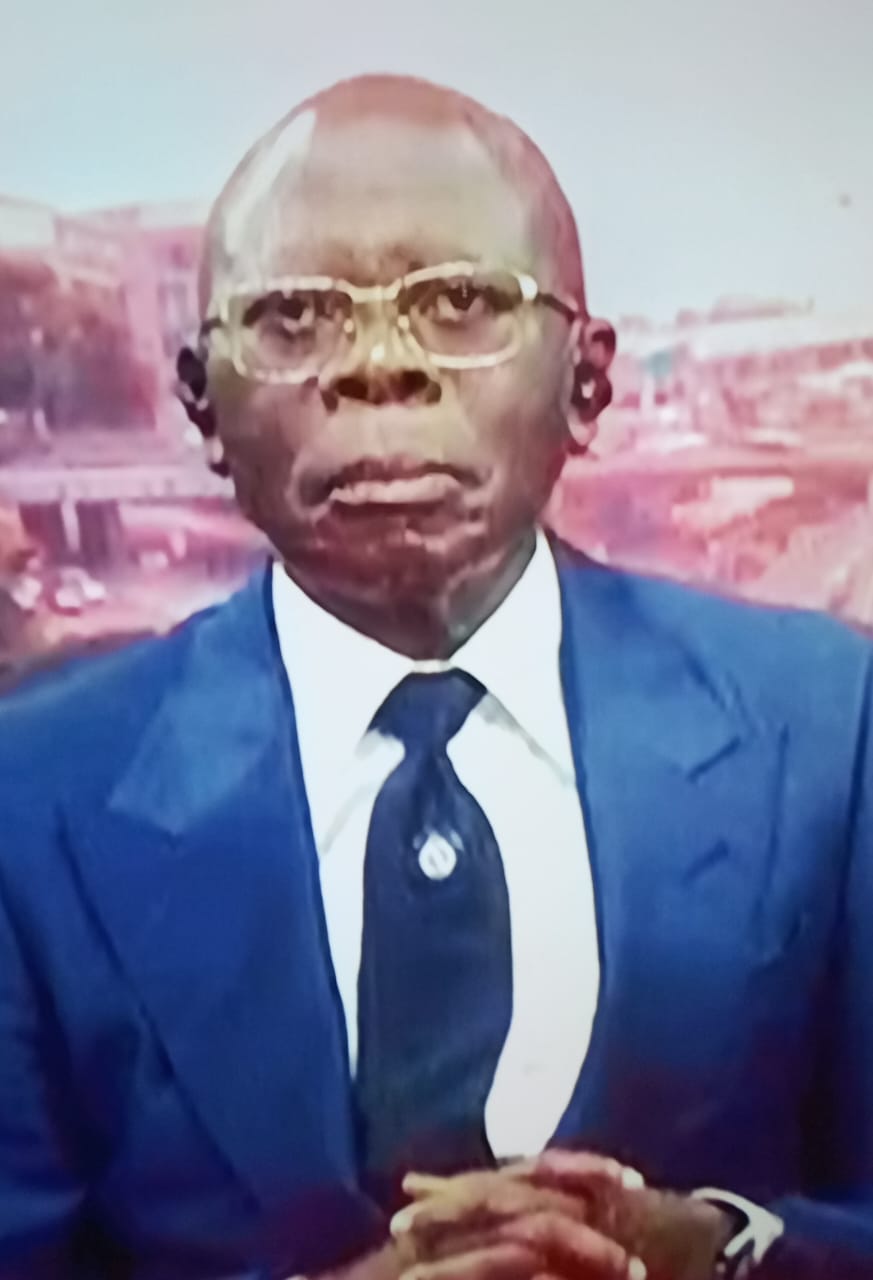
LAGOS: Senator representing Edo North, Adams Oshiomhole, has sharply criticised recent amendments to the Senate Standing Rules, accusing lawmakers of rushing the process and undermining Nigeria’s constitutional order.
Speaking in an interview on ARISE NEWS on Tuesday, Oshiomhole said the Senate’s handling of the amendments amounted to avoidable errors that could have been prevented with proper scrutiny and debate.
He warned that the episode had already forced the upper chamber into what he described as humiliation after parts of the revised rules were reportedly reversed for conflicting with the Nigerian Constitution.
According to him, lawmakers failed to thoroughly examine the implications of the changes before their passage, leading to contradictions with existing laws.
We must not rush in making laws. Every clause, every word requires careful scrutiny,he said, stressing that poor legislative procedure had repeatedly led to mistakes that could have been avoided.
Oshiomhole also faulted the lack of advance access to the proposed amendments, arguing that senators should have been given sufficient time to study and understand the changes before debate and approval.
He further alleged that attempts to raise procedural objections during plenary were ignored, suggesting that standard legislative processes were not properly followed during the session.
The former governor warned that making laws tailored to political interests or future leadership contests could weaken democratic institutions. He argued that such actions risk creating a system where rules are shaped to target individuals, a development he described as a road to dictatorship.
“You don’t make laws against specific individuals or for personal advantage. That is how democratic institutions are weakened, he said.
Oshiomhole maintained that his criticism was not personal but rooted in a desire to protect legislative integrity and ensure that parliamentary processes remain transparent, constitutional, and fair.
The controversy adds to ongoing political debates within the National Assembly over rule changes, eligibility criteria for leadership positions, and internal governance procedures.