
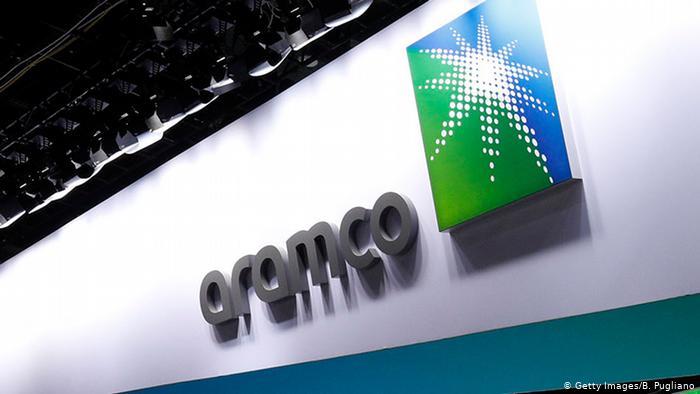
Saudi Aramco has reported a strong 25 per cent rise in first-quarter profit, underscoring the oil giant’s resilience amid escalating tensions in the Middle East and disruptions to shipping through the strategically important Strait of Hormuz.
The state-owned energy company announced net profits of $32.5 billion for the three months ending March 31, surpassing market expectations as higher oil prices and stronger sales volumes boosted earnings. Revenue climbed by nearly seven per cent year-on-year to $115.49 billion, driven by increased crude exports as well as refined and petrochemical sales.
The surge comes as regional conflict involving the United States, Iran and Israel continues to unsettle energy markets, with shipping disruptions in the Strait of Hormuz forcing Saudi Arabia to maximise alternative export routes.
Aramco said its East-West crude pipeline, which links the kingdom’s eastern oil fields to the Red Sea port of Yanbu, operated at full capacity during the quarter. The strategic route allowed the company to bypass the Gulf chokepoint and maintain global supply despite the crisis.
Chief Executive Amin Nasser said the pipeline had proven essential in cushioning the impact of what he described as a global energy shock, stressing that dependable energy supply remains critical to international markets.
The pipeline currently transports up to seven million barrels of oil per day, with around two million barrels supplying domestic refineries on Saudi Arabia’s western coast and the remaining five million designated for exports.
Alongside its earnings report, Aramco announced a first-quarter base dividend of $21.9 billion, a 3.5 per cent increase from the same period last year. The payout aligns with its projected total dividend distribution of $87.6 billion for 2026, reinforcing its central role in funding Saudi Arabia’s public spending plans.
The Saudi government remains the company’s largest shareholder, holding more than 81 per cent directly, while the country’s Public Investment Fund controls an additional 16 per cent stake.
Despite the strong earnings, free cash flow dipped slightly to $18.6 billion, while the company’s debt ratio rose to 4.8 per cent at the end of March, compared with 3.8 per cent at the close of 2025.
Meanwhile, the geopolitical crisis continues to reverberate across global markets. Donald Trump renewed criticism of Iran, accusing Tehran of escalating tensions and warning that it would face consequences over its actions in the region.
The closure of the Strait of Hormuz has already intensified pressure on international oil prices, with analysts warning that prolonged disruption could further strain global energy supplies and deepen inflationary concerns in major economies.