


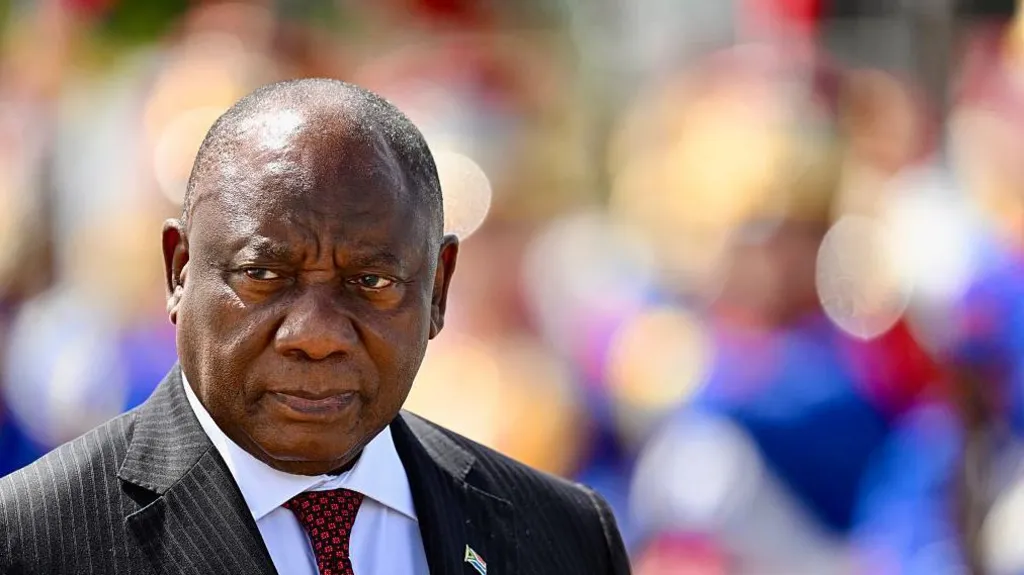
South African President Cyril Ramaphosa has declared he will not resign, despite fresh legal and political pressure linked to the long-running Phala Phala scandal that has once again triggered impeachment discussions in parliament.
The president made his position clear on Monday, saying he would remain in office and challenge the latest Constitutional Court-backed process that could reopen the door to impeachment proceedings. His statement comes after days of speculation about whether the ruling African National Congress (ANC) leader might step down to avoid further political damage.
At the centre of the controversy is the Phala Phala incident, in which large sums of foreign currency were allegedly stolen from Ramaphosa’s private game farm in 2020. The matter has since evolved into a major political crisis, raising questions about transparency, accountability, and how the president handled the reported theft.
An independent panel previously concluded that there was prima facie evidence suggesting possible misconduct in the president’s handling of the incident. However, Ramaphosa has consistently denied wrongdoing, insisting that the money involved came from a legitimate sale of game animals, including buffalo, from his farming operations.
The latest twist followed a Constitutional Court ruling that found Parliament acted improperly in earlier decisions to block an impeachment inquiry. The judgment effectively reopened the possibility for lawmakers to formally consider whether Ramaphosa should face impeachment proceedings based on the panel’s findings.
In response, the president has announced plans to legally challenge the report, arguing that it relies heavily on hearsay and should be reviewed and set aside. His legal team is expected to push back against what they describe as procedural and evidentiary flaws in the findings.
Political analysts suggest that while the impeachment process may move forward in Parliament, Ramaphosa is likely to survive any final vote due to his support base within the governing party. However, they warn that even the process itself could inflict reputational damage and cast a shadow over his leadership legacy.
The unfolding situation adds to South Africa’s already tense political climate, with opposition parties expected to use the report as the foundation for renewed calls to remove the president from office.
For now, Ramaphosa remains firmly in office, insisting that he will fight the allegations through legal channels rather than resign under pressure.