


The South African government has announced plans to recover the costs of deporting undocumented migrants by seeking reimbursement from the governments of their home countries, a move that could affect nations such as Nigeria, Ghana, Zimbabwe, and others.
According to South Africa’s Department of International Relations and Cooperation, countries whose citizens are arrested for violating immigration laws and subsequently deported will be expected to cover the expenses incurred during the repatriation process.
The proposal comes as authorities intensify efforts to combat illegal migration and address concerns over the growing number of undocumented foreigners living in the country.
Officials disclosed that more than 100,000 undocumented migrants have been deported over the past two years, placing a heavy financial burden on state resources.
South African authorities said the planned cost-recovery policy would also apply to foreign nationals detained in correctional facilities before being returned to their countries of origin. The government intends to work closely with the Department of Home Affairs to pursue reimbursement from affected nations.
The announcement comes amid rising concerns among African migrants in South Africa and follows recent repatriation programmes initiated by countries including Nigeria and Ghana.
Hundreds of Nigerians have reportedly returned home under a government-backed evacuation programme, while Ghana is said to have facilitated the return of about 1,000 of its citizens.
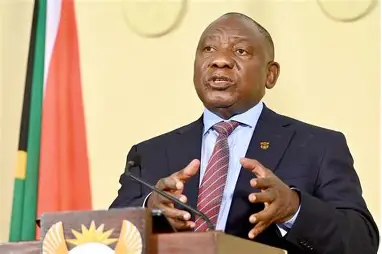
President Cyril Ramaphosa’s administration insists that enforcing immigration laws is a sovereign responsibility and has vowed to strengthen measures aimed at identifying, detaining and deporting undocumented migrants.
The proposed policy is expected to trigger debate across Africa, particularly over issues relating to migration management, diplomatic relations and the financial responsibilities associated with deportation procedures.
Analysts believe the plan could become a major point of discussion among African governments, with questions likely to arise over whether countries should bear the cost of deporting their nationals from foreign territories.


