


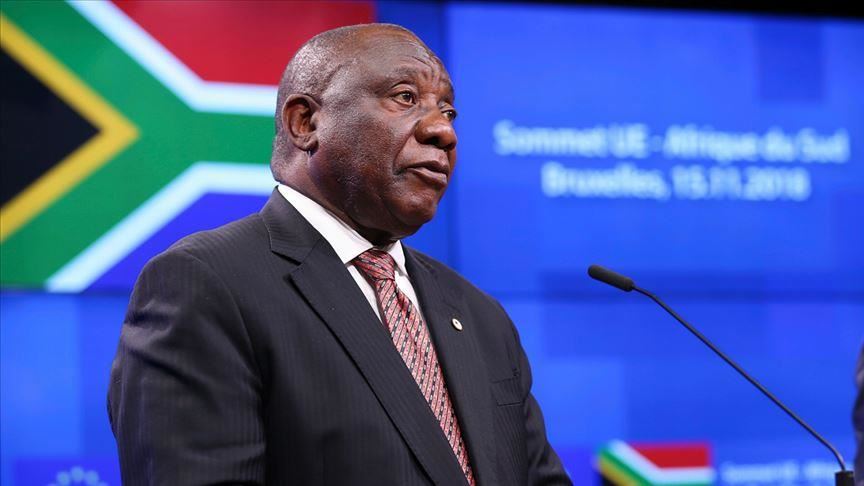
South African President Cyril Ramaphosa is facing renewed political pressure after the country’s Constitutional Court ruled that parliament acted unlawfully when it blocked impeachment proceedings against him in 2022.
The ruling followed a legal challenge filed by opposition parties, including the Economic Freedom Fighters led by Julius Malema, who has now called on Ramaphosa to resign.
Speaking after the judgement, Malema said the president should step down and focus on defending himself in what could become a fresh impeachment process.
The controversy stems from the so-called “Farmgate” scandal involving the alleged theft of $580,000 in cash hidden inside furniture at Ramaphosa’s Phala Phala farm in Limpopo Province in 2020.
At the time, an independent panel concluded there may have been grounds for the president to answer questions regarding possible violations of his oath of office. However, South Africa’s parliament voted against establishing an impeachment committee, effectively halting the process.
Ramaphosa has consistently denied wrongdoing, maintaining that the money came from the sale of buffaloes and insisting he acted within the law.
Following the latest court ruling, the president’s office said he respects the judgement and remains committed to the constitution, judicial independence and due process.
The ruling could now reopen impeachment proceedings in parliament, especially as Ramaphosa’s African National Congress no longer holds an outright parliamentary majority following the 2024 general election.
Meanwhile, South Africa’s second-largest coalition party, the Democratic Alliance, said lawmakers must ensure the impeachment committee carries out its duties fairly and constitutionally.
The case has continued to dominate political discourse in South Africa, with critics arguing it raises serious concerns about accountability and transparency at the highest level of government.