


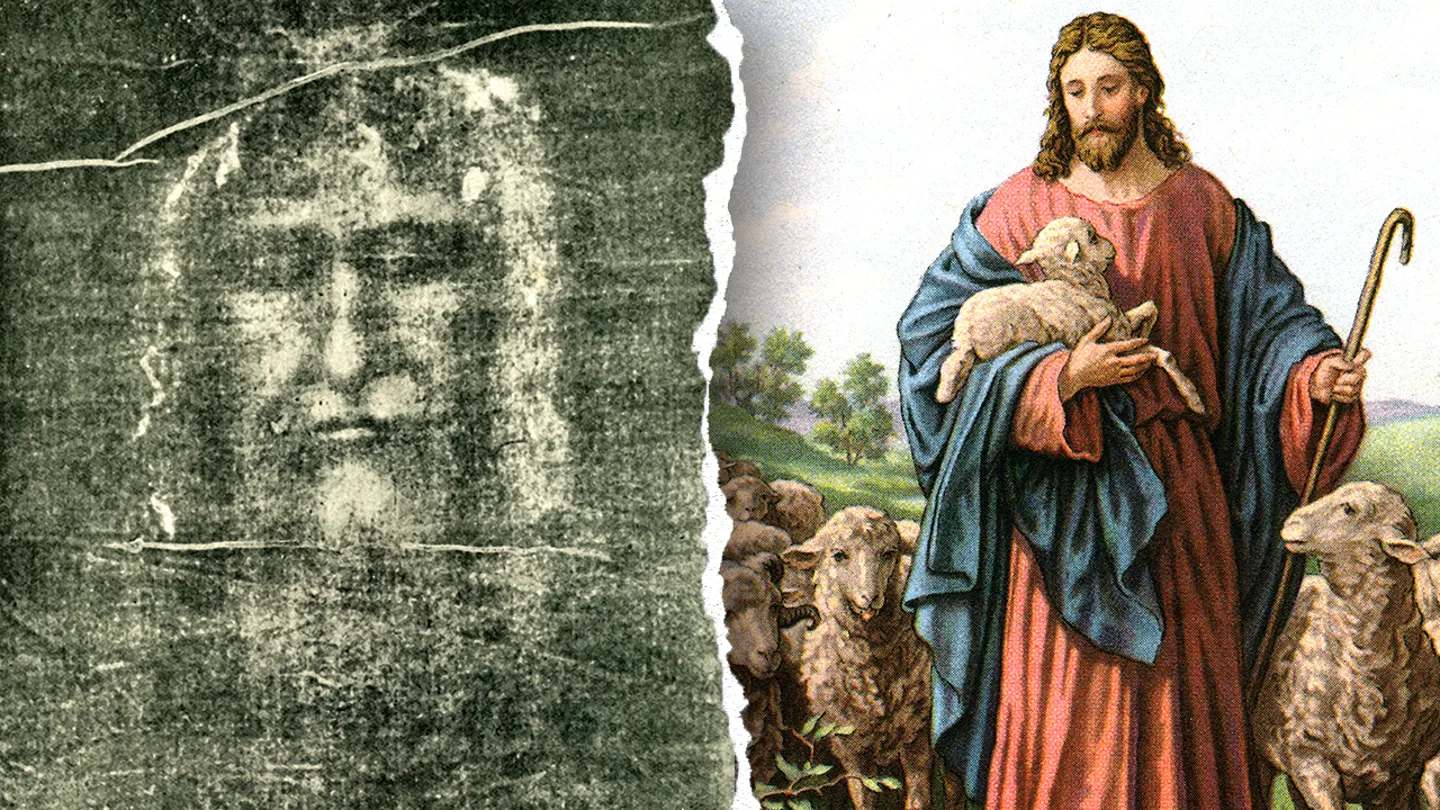
Researchers analyzed microscopic DNA traces (from dust and fibers) collected decades ago from the cloth. They identified plant-based DNA, including:
- Carrot
- Bread wheat
- Other grains like rye and maize
- Crops such as tomatoes, peppers, potatoes
- Fruits like banana, almond, walnut, and orange
Importantly, these were tiny DNA fragments, not visible food remains.
The key point:
These findings do NOT confirm the shroud’s origin or authenticity.
Here’s why:
- The cloth has been handled by many people for centuries
- It has been exposed to different environments across Europe and beyond
- Some detected plants (like maize and tomatoes) are New World crops, meaning they only appeared in Europe after 1492
That strongly suggests later contamination, not original burial material.
- The Shroud of Turin has documented history only back to the 1300s
- A 1988 radiocarbon test dated it to 1260–1390 AD (medieval period)
- A 2024 Italian study using X-ray techniques suggested it could be older—but that’s still debated
Rather than proving authenticity, the research:
- Shows the cloth has accumulated biological traces over centuries
- Reflects human contact, trade, and environmental exposure
- Helps historians understand how the artifact was handled and preserved
- The DNA findings are interesting but not definitive
- They don’t verify that the cloth wrapped Jesus Christ
- They mostly reinforce the idea that the relic has been widely exposed and likely contaminated over time


