


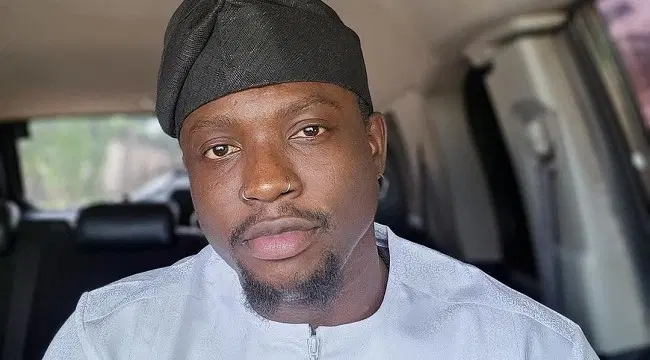
The Presidency has called for the prosecution of social media influencer, Martins Vincent Otse, popularly known as VeryDarkMan, over the circulation of an alleged fake audio clip involving President Bola Tinubu.
The demand was made by the Special Adviser to the President on Information and Strategy, Bayo Onanuga, who insisted that the influencer should face the full weight of the law for allegedly spreading false and misleading content on social media.
Onanuga made the position known in a post on X (formerly Twitter), where he strongly condemned the viral audio clip being attributed to the President.
He described the incident as a serious abuse of social media platforms, arguing that the circulation of such content could mislead the public and undermine trust in government communications.
According to him, the alleged audio was not authentic, and its distribution constituted a deliberate attempt to spread misinformation against the President ahead of the 2027 political cycle.
The controversy stems from a viral video in which VeryDarkMan reportedly referenced an alleged leaked audio purported to be the voice of President Tinubu, using it to advise Nigerians against supporting the President’s re-election bid.
The clip quickly gained traction across multiple social media platforms, sparking heated debates and political reactions from supporters and critics alike.
However, the Presidency has dismissed the audio as fake, insisting that those responsible for its circulation must be held accountable under relevant cybercrime and defamation laws.
Onanuga further stressed that the case should serve as a warning to other social media users who engage in the spread of unverified political content online.
The call for prosecution has already intensified public discourse on the boundaries of free speech, digital activism, and misinformation in Nigeria’s increasingly volatile online political space.
While critics of the Presidency argue that such actions may amount to intimidation of online commentators, supporters insist that stricter regulation is necessary to curb the spread of fake news.
The development adds another layer of tension to Nigeria’s already heated political atmosphere as the country edges closer to the 2027 general elections.
Authorities are yet to confirm whether formal charges will be filed, but the controversy is expected to continue dominating political and social media discussions in the coming days


