


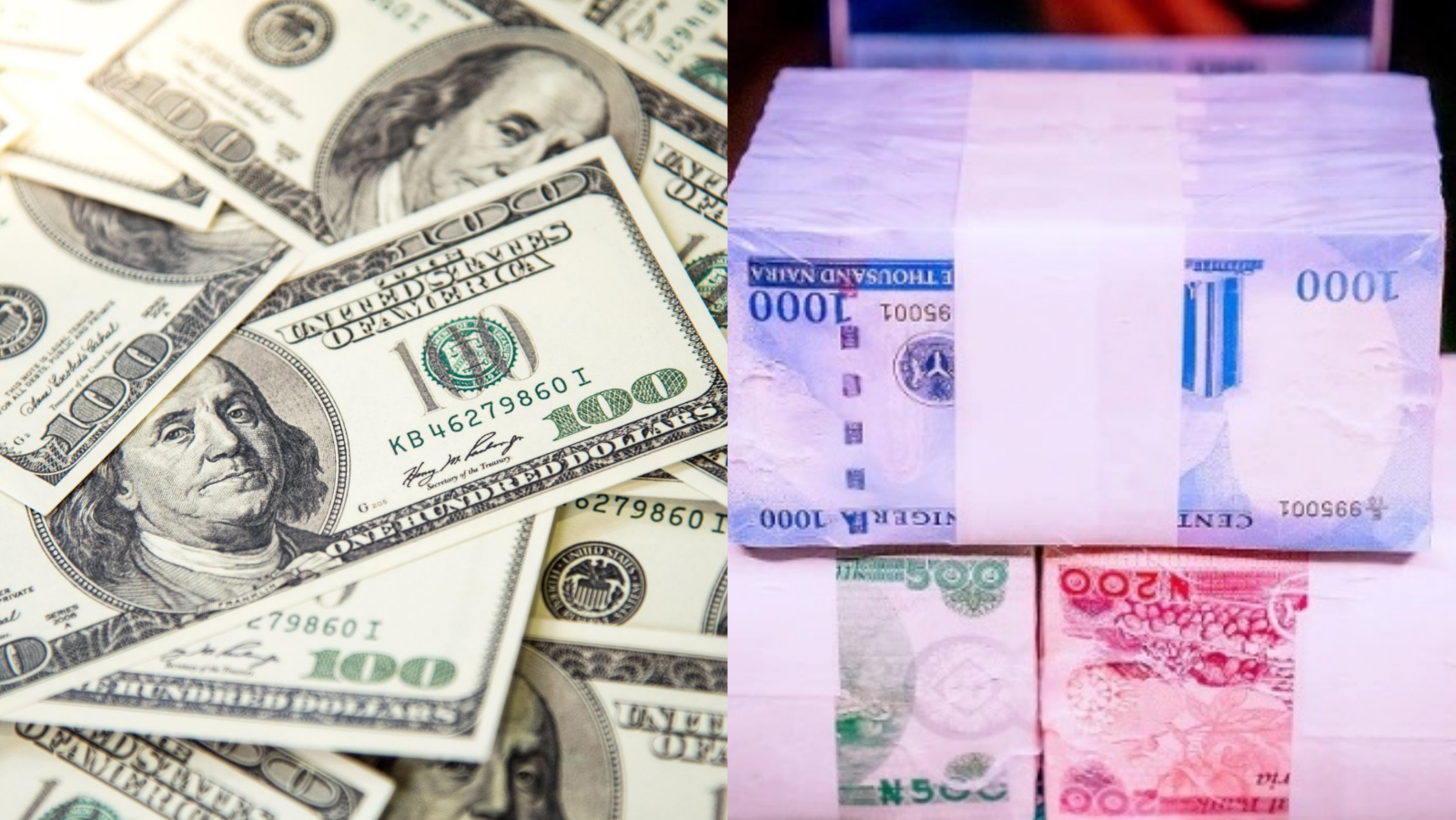
Nigeria’s external reserves have climbed to $50.11 billion, marking a significant milestone and reinforcing confidence in the stability of the naira amid ongoing economic reforms.
Data from the Central Bank of Nigeria (CBN) showed that the country’s foreign reserves have continued to rise steadily, surpassing the $50 billion mark after months of sustained accumulation. The increase reflects improved foreign exchange inflows and the impact of reforms aimed at strengthening the economy.
The development is seen as positive for the naira, as higher reserves provide the monetary authorities with greater capacity to manage exchange-rate volatility, meet external obligations and cushion the economy against external shocks.
Analysts say stronger reserves also improve investor confidence and enhance Nigeria’s ability to finance imports. Earlier projections by the CBN indicated that reserves could reach around $51 billion in 2026, a target that now appears within reach.
The reserves had previously dipped below the $50 billion mark due to capital outflows and global uncertainties, but the recent rebound signals renewed momentum. Experts, however, note that sustaining the gains will depend on improved oil production, stronger foreign capital inflows and continued reforms in the foreign exchange market.
The rise in reserves comes amid efforts by the CBN to maintain stability in the foreign exchange market and strengthen macroeconomic fundamentals. Economists believe that a healthier reserve position could provide additional support for the naira and help shield the economy from global headwinds.
With external reserves now above $50 billion, Nigeria is positioned to consolidate investor confidence and strengthen its economic outlook as authorities pursue policies aimed at sustaining growth and ensuring macroeconomic stability.


