


With barely seven months to Nigeria’s 2027 general elections, worsening insecurity is emerging as one of the biggest threats to the country’s democratic process. Fresh figures showing that 5,272 people lost their lives to violence between January and May 2026 have triggered concerns among electoral authorities, security experts, lawyers and civil society groups.
The alarming statistics come amid fears that terrorism, banditry, kidnappings and communal clashes could undermine the credibility of the January 16 and February 6, 2027 elections.
According to the 15th Report on Violence in Nigeria by Nigeria Watch, a total of 222,137 Nigerians were killed in 46,182 violent incidents across the country between 2006 and 2025. The report, compiled by Dr. Vitus Nwankwo Ukoji with support from Dr. Abiola Victoria Ayodokun, identified insurgency, banditry, kidnappings and farmer-herder conflicts as major drivers of violence.
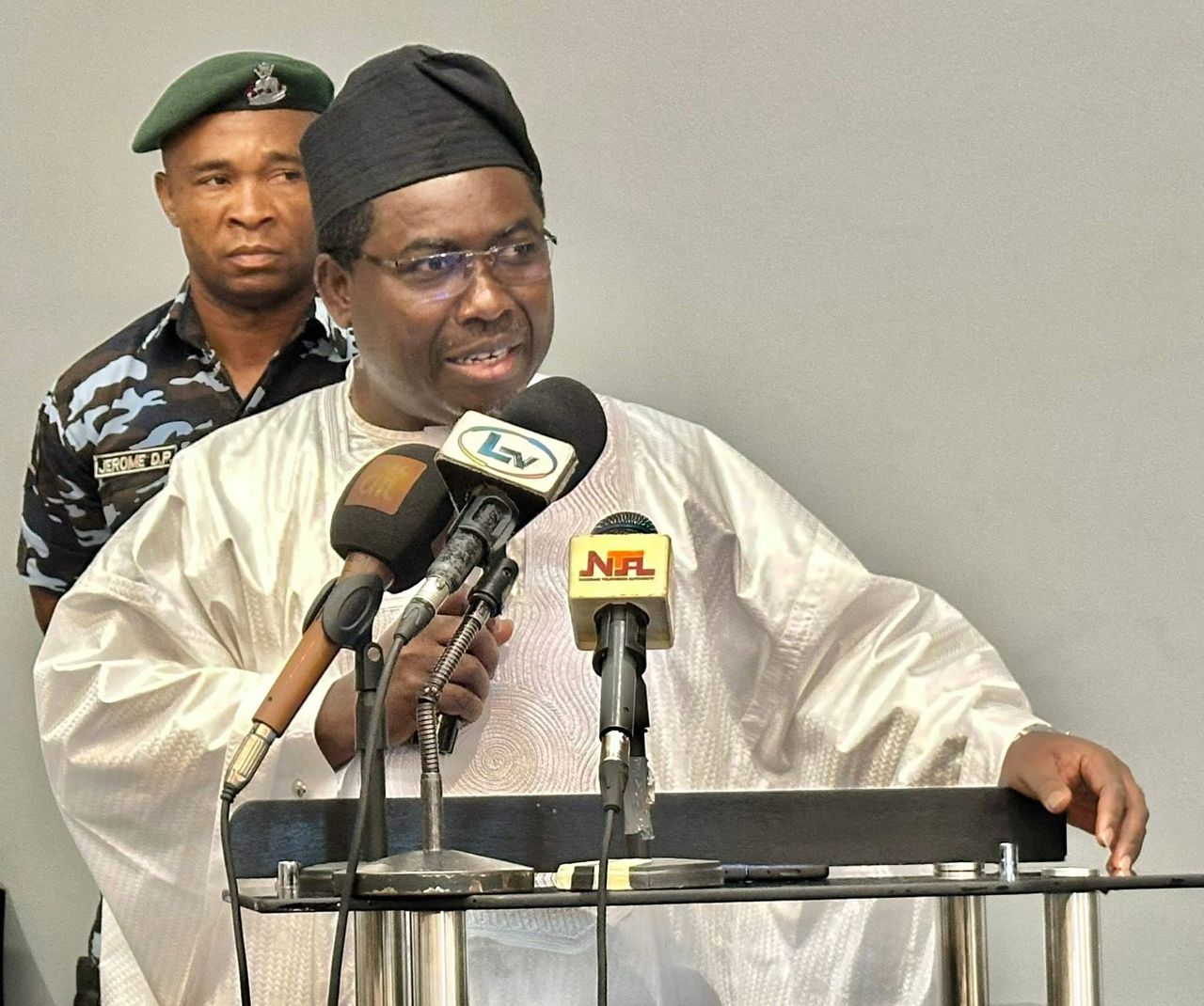
Independent National Electoral Commission (INEC) Chairman, Professor Joash Amupitan, warned that the escalating insecurity poses serious challenges to free and credible elections. He stressed the need for proactive security measures and intelligence-driven strategies to identify and neutralize threats before they escalate.
Speaking during a visit to Inspector-General of Police Olatunji Disu, Amupitan emphasized that electoral security and national stability are inseparable.
“Our success depends on proactive intelligence coordination rather than reactive policing,” he stated.
The police chief assured INEC of adequate protection for voters, electoral officials and infrastructure, revealing that nationwide threat assessments and intelligence mapping had already commenced.
Human rights lawyer and Senior Advocate of Nigeria, Femi Falana, questioned whether Nigeria is truly prepared for elections amid widespread kidnappings and terrorist attacks.
“As we are gathered here today, many children are still in the custody of criminals. People are abducted daily. Can we honestly say we are ready for elections under these conditions?” Falana asked.
He maintained that no meaningful democratic exercise could thrive under an atmosphere of fear and insecurity.
President of the Committee for the Defence of Human Rights (CDHR), Debo Adeniran, said insecurity would likely shape voter behaviour in 2027.
According to him, Nigerians judge governments largely by their ability to guarantee safety and create an enabling environment for economic activities.
He noted that visible improvements in security could restore public confidence ahead of the polls and strengthen democratic participation.
Data from Nigeria Watch showed that Borno, Niger, Zamfara, Benue and Katsina states recorded the highest number of deaths in 2025.
Bandit-related killings surged dramatically to 3,974 deaths in 2025, almost three times the 1,452 recorded in 2024, raising fresh concerns over the ability of security agencies to secure the 2027 elections
Ahead of the 2023 general elections, INEC facilities suffered 52 attacks across 29 states, resulting in the destruction of thousands of ballot boxes, voting cubicles and Permanent Voter Cards (PVCs).
Security experts fear similar attacks could re-emerge in the build-up to 2027, threatening voter participation and confidence in the electoral process.
As Nigeria prepares for another transition, analysts warn that the coming months could determine not only who governs the country after 2027 but whether Nigerians will have confidence in the electoral process itself.
With insecurity spreading across several regions, many observers believe that securing lives and protecting democratic institutions will be critical to ensuring peaceful, transparent and credible elections.


