


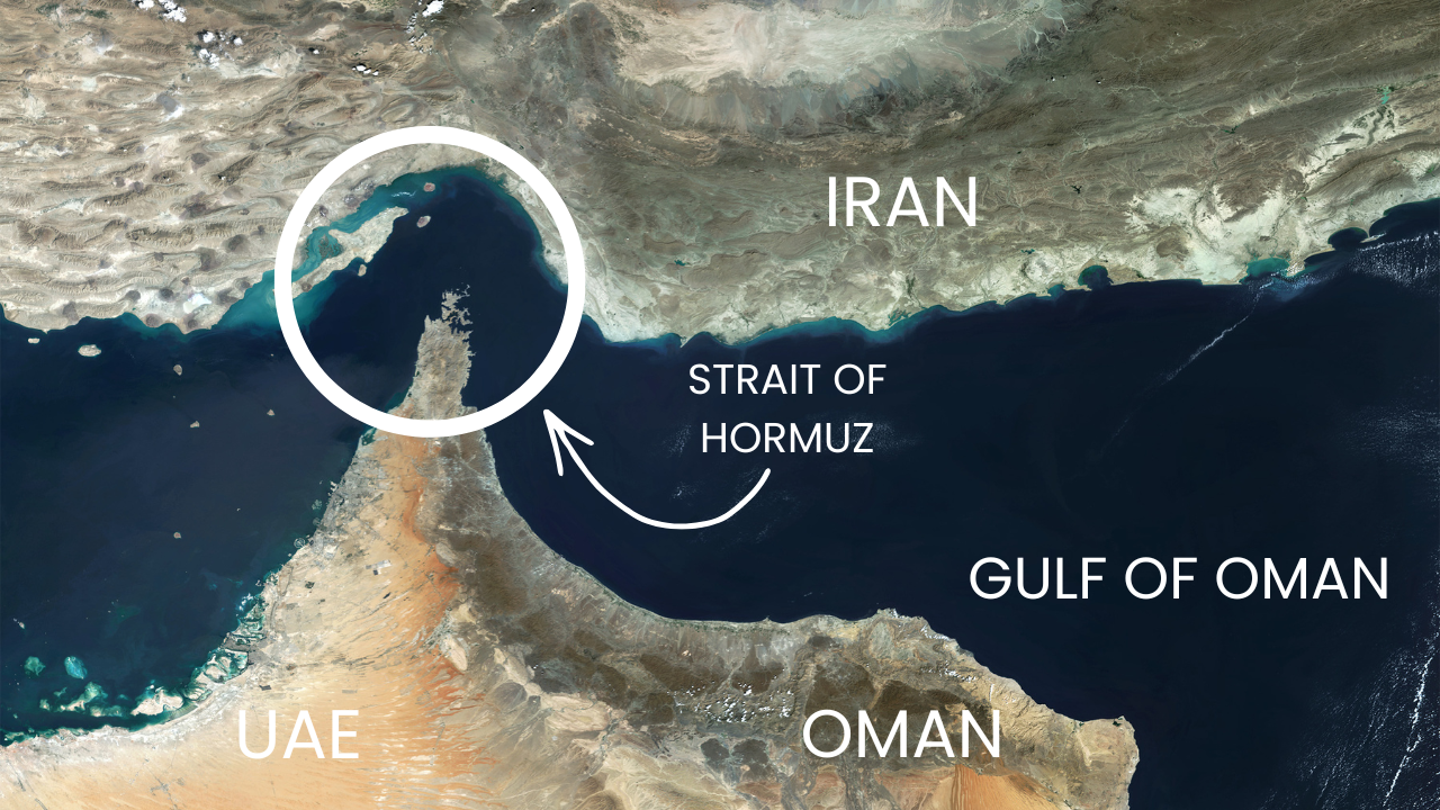
Iran’s military on Saturday announced a renewed closure of the Strait of Hormuz, reversing an earlier reopening and creating fresh uncertainty for global energy markets.
The move came just hours after Tehran declared the vital waterway open, allowing more than a dozen commercial vessels to transit. The strait, which connects the Persian Gulf to the Gulf of Oman, handles roughly a fifth of the world’s oil and liquefied natural gas shipments.
The back-and-forth development casts doubt on optimism expressed by Donald Trump, who had said a peace agreement to end the US-Israeli conflict with Iran was “very close.”
Tehran initially reopened the route following a ceasefire agreement in Lebanon aimed at halting hostilities between Israel and Hezbollah. The decision briefly lifted global market sentiment, pushing oil prices downward.
However, Iran warned it could shut the strait again if the United States maintained its naval blockade of Iranian ports—a condition Washington insists will remain until a final agreement is reached.
Later on Saturday, Iranian state television, citing military central command, confirmed that the strait had returned to “strict management and control” by the armed forces in response to the ongoing blockade.
Maritime tracking data showed heightened activity, with several vessels navigating close to Iranian territorial waters under instructions from Tehran. Some ships reportedly broadcast identifiers suggesting links to countries such as India and China, signalling neutrality amid the tensions.
By mid-morning GMT, at least eight oil and gas tankers had successfully crossed the strait, while several others reversed course after initially attempting to exit the الخليج.
Despite the escalation, diplomatic efforts to end the conflict are gaining momentum. There are just days left in the current two-week ceasefire, which followed a wave of attacks launched on February 28 by the United States and Israel.
Donald Trump maintained that negotiations were progressing, declaring there were “no sticking points” left and expressing confidence that a deal would soon be reached.
Pakistan has emerged as a key mediator in the talks. Its military chief, Asim Munir, recently concluded a three-day visit to Iran, meeting senior leaders to push forward negotiations.
Meanwhile, Shehbaz Sharif has engaged regional powers including Saudi Arabia, Qatar, and Turkey to build consensus around a peace framework.
Egypt has also played a role, with Foreign Minister Badr Abdelatty expressing optimism that a final agreement could be reached within days.
A second round of negotiations is expected soon in Islamabad, where envoys will attempt to bring an end to the conflict that has destabilised the region.
Two major sticking points continue to complicate talks: Iran’s stockpile of highly enriched uranium and control over the Strait of Hormuz.
Donald Trump claimed Iran had agreed to hand over its approximately 440 kilograms of uranium enriched to near weapons-grade levels. However, Tehran swiftly rejected the assertion.
Iranian foreign ministry spokesman Esmaeil Baqaei stated that the country’s enriched uranium would not be transferred under any circumstances, adding that such a proposal had never been part of negotiations.
While Iran has reopened parts of its airspace for international transit, normalcy remains elusive. Internet restrictions imposed at the start of the conflict are still in place, with monitoring groups reporting prolonged outages affecting civilians.
The fluctuating status of the Strait of Hormuz continues to pose a significant risk to global energy supply and shipping stability, as diplomatic efforts race against time to secure a lasting ceasefire.


