


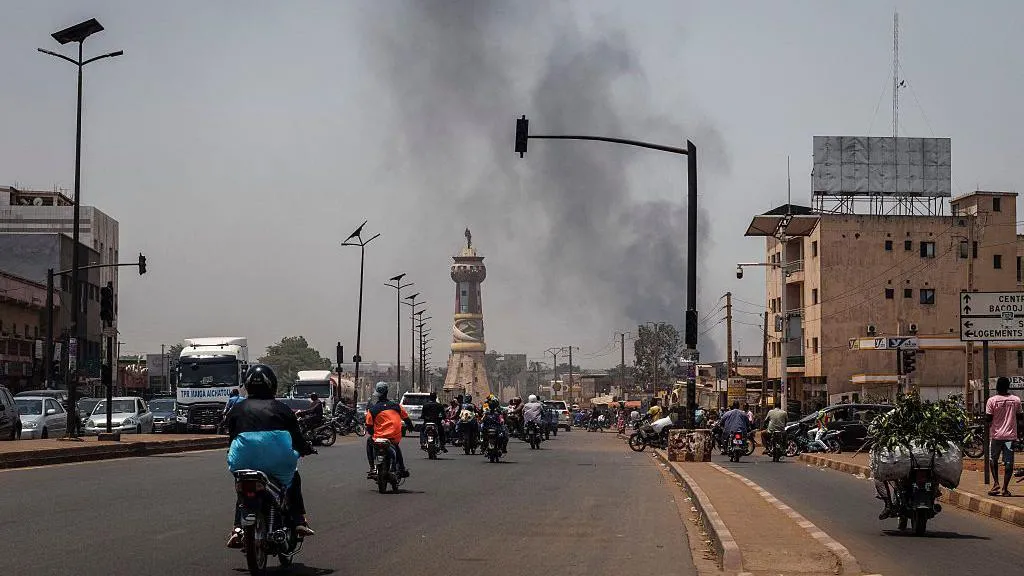
The government of France has advised its citizens to leave Mali as soon as possible following a wave of coordinated attacks by separatist fighters and Islamist militants that have intensified insecurity across the country.
In an updated travel advisory issued on Wednesday, French authorities described the situation in Mali as extremely volatile, warning against all travel to the country regardless of purpose.
The warning comes after a weekend of violence marked by explosions and sustained gunfire in several parts of the country, including the capital, Bamako.
Fighting was also reported in Kati, home to a major military base where Defence Minister Sadio Camara was reportedly killed in a suspected suicide bombing. In the north, separatist forces seized control of the strategic city of Kidal, highlighting the scale of the offensive.
The attacks are believed to have been carried out by a combination of armed groups, including the Azawad Liberation Front (FLA), which seeks an independent Tuareg state, and the jihadist group Jama’at Nusrat al-Islam wal-Muslimin (JNIM), which launched simultaneous assaults across multiple locations.
Despite the widespread violence, Mali’s military leader, Assimi Goïta, has insisted that the situation is under control. In a public address, he stated that government forces had dealt a violent blow” to the attackers and that military operations were ongoing.
However, international observers remain cautious, noting that large parts of northern and eastern Mali remain outside government control.
France’s foreign ministry urged its nationals to leave via available commercial flights while advising those still in the country to remain indoors, limit movement, and follow instructions from local authorities.
Similarly, the United Kingdom has issued a strong advisory against all travel to Mali, urging its citizens to leave immediately if it is safe to do so. British authorities also warned against overland travel to neighbouring countries, citing the risk of terrorist attacks along major highways.
The United States Embassy in Mali has also cautioned its citizens to “shelter in place,” remain vigilant, and avoid areas where security operations are ongoing.
Mali has faced persistent instability since the rise of insurgent groups following a Tuareg rebellion in the north over a decade ago. The country is currently governed by a military junta led by Goïta, who came to power after a coup in 2020.
Although the junta initially gained support for pledging to restore security, the insurgency has continued despite the withdrawal of foreign forces, including French troops and UN peacekeepers. The government has since turned to Russian mercenaries for military support.
Recent attacks underscore the fragility of the security situation, particularly in the Sahel region, where extremist violence and separatist movements continue to challenge state authority.
The deteriorating security environment has led to a surge in kidnappings and attacks targeting both locals and foreigners, prompting multiple countries to update their travel advisories.
Authorities continue to monitor the situation closely, but with violence spreading across key regions—including Bamako, Gao, Kidal, Mopti, and Severe concerns remain high about further escalation.
For now, foreign governments are urging their citizens to prioritize safety and leave Mali while commercial travel options remain available.