
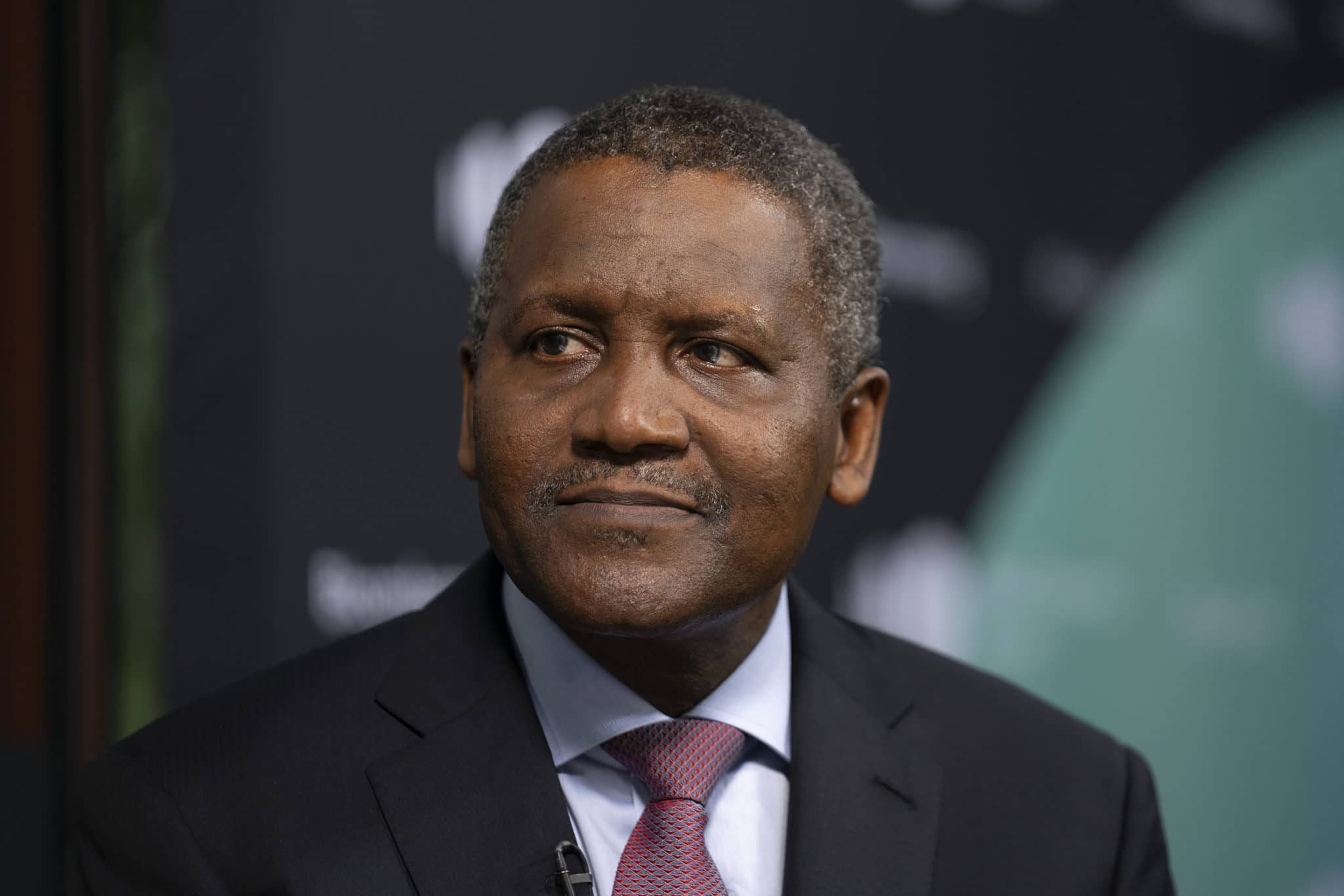
NAIROBI: Africa’s richest man,Aliko-Dangote, has gone ahead with the groundbreaking ceremony for his planned $16 billion Kenya refinery and petrochemicals project, despite an ongoing land dispute involving local residents.
Dangote Group announced that the ceremony for the Dangote East Africa Petroleum Refinery and Petrochemicals Special Economic Zone was proceeding in Kenya on Wednesday.
The development comes days after a Kenyan court ordered that the existing status of the disputed land in Lamu County be maintained until a hearing scheduled for October 14.
Read related News:
- Dangote Reveals $10bn Power Investment Plan as Africa Battles Electricity Crisis
- Dangote Reveals 2028 Plan as New Refinery Shareholders Joke About Board Meetings
- Stock Market Rebounds as Investors Gain N4.57trn Despite Dangote Refinery IPO
The case was brought by 133 residents of Chandavai, who claim the land earmarked for the refinery is ancestral territory where their families have lived and farmed for generations.
Dangote Group said the court order did not halt Wednesday’s groundbreaking ceremony, although it acknowledged that some activities at the project site could be affected.
The Malindi Environment and Land Court had ordered that the “status quo prevailing” on the land be maintained pending further proceedings.
Speaking at an investor event in Nairobi, Dangote also addressed concerns surrounding the project, including opposition from some local residents and conservationists.
He suggested that some of the resistance was linked to traders who could be affected by the development.
The proposed refinery is planned near Port Of Lamu on Kenya’s coast and is expected to have a capacity of 700,000 barrels per day.
According to Dangote, the facility is designed to supply refined petroleum products to Kenya and other markets across East Africa.
The project is also expected to support the development of petrochemical industries in the region, with plans for pipelines connecting Lamu to one or more neighbouring countries.
Dangote said regional governments have been offered a 30% stake in the project, with potential investors such as Kenya and Rwanda allowed to spread payments for their equity contributions over four years.
Rwanda has expressed interest in taking a 10% stake, although discussions over the proposal are still ongoing.
Dangote added that other countries had also shown interest in investing in the project.
The refinery is expected to process crude oil from regional producers, including Kenya, as the country works towards increasing production from its own oil reserves.
It could also source crude from international suppliers in the Middle East and the United States.
The project is being positioned as a major energy and industrial development that could strengthen fuel supply and expand petrochemical activities across East Africa.
For Dangote, the Kenya refinery represents another major expansion of his group’s investments beyond Nigeria, even as the land dispute remains before the Kenyan courts.