


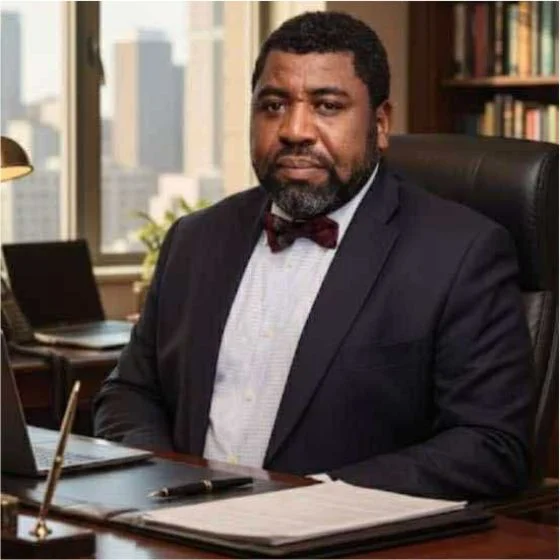
Professor Anthony Kila has rejected reports describing him as a “fake professor”, insisting that the allegation is inaccurate, misleading and damaging to his reputation and professional standing.
Kila, who serves as Pro-Chancellor of Michael and Cecilia Ibru University in Delta State and Director of the Commonwealth Institute of Advanced and Professional Studies (CIAPS), said he stood by his professorial title and the academic and professional credentials supporting it.
In a statement responding to a publication dated October 3, 2026, the academic challenged the characterisation, arguing that the report was based on what he described as an incomplete understanding of the nature, origin and institutional basis of his professorship.
“For the avoidance of doubt, I am a professor, and I stand by the title and the professional and academic credentials on which it is based,” Kila said.
He maintained that the matter should be assessed using the relevant facts and supporting documentation rather than what he considered a misleading conclusion.
The academic disclosed that he had instructed his lawyers to review the publication and any subsequent circulation of the allegations, with a view to determining appropriate legal steps to protect his reputation and professional standing.
Kila particularly objected to the phrase fake professor, arguing that it was presented as an established fact despite the serious implications the description could have for his professional credibility.
He said he was prepared to make relevant facts and documents concerning his professorial status available to support his position.
The facts and documentation will speak for themselves,” he said.
Although Kila did not announce that a lawsuit had already been filed, his decision to instruct his lawyers to review the report signals a possible legal response to the publication and its further dissemination.
Kila acknowledged the importance of journalism in examining the credentials of individuals occupying positions of responsibility.
However, he argued that such scrutiny should be conducted fairly, with adequate understanding of the facts and the circumstances surrounding the qualifications being examined.
He maintained that conclusions about an individual’s academic status should be supported by relevant evidence and documentation.
The controversy has drawn attention to the importance of verifying academic credentials and ensuring that public discussions about professional qualifications are based on reliable information.
Kila said he was “baffled” by the level of attention directed at him, noting that he neither holds political office nor is seeking one, and is not a government official.
The professor also expressed appreciation to colleagues, friends, students and members of the public who contacted him following the publication to express confidence in his academic and professional credentials.
Their messages, he indicated, had provided support as he responded to the controversy.
Kila reiterated his position that the description applied to him was misleading and said he intended to protect his reputation through appropriate channels.
As of the time of the report, the statement provided no details of a court filing, and the underlying allegations had not been independently established by the information available.
The matter may now depend on the supporting documentation concerning Kila’s professorial status, the evidence presented in the original publication and any subsequent legal proceedings.
.


