


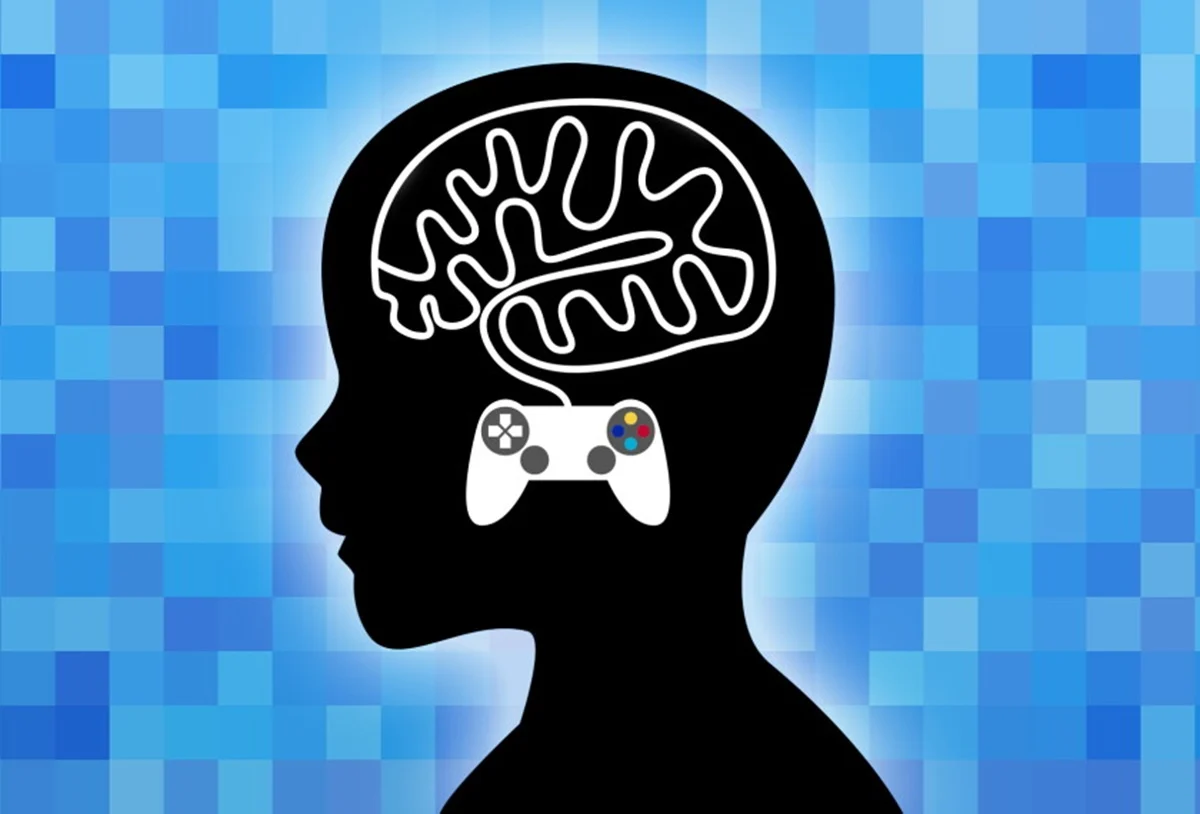
A comprehensive international study has found that playing video games may offer modest but measurable improvements in memory and several other cognitive abilities, suggesting that gaming could play a positive role in maintaining brain health when enjoyed in moderation.
The findings, published in the scientific journal Acta Psychologica, are based on an extensive review of 133 independent studies involving more than 14,000 participants of different ages and health backgrounds.
Researchers from Shanghai Normal University examined data from 14,245 participants to better understand the relationship between video gaming and cognitive performance. Their analysis revealed that individuals who regularly played video games generally performed better than non-gamers on tests measuring memory, attention, spatial reasoning and cognitive control.
According to the researchers, the most consistent improvement was observed in memory. Participants who engaged in gaming activities demonstrated stronger memory performance than those who did not play video games. In studies that tracked participants before and after gaming interventions, researchers also recorded small but noticeable gains in overall cognitive performance.
The study suggests that many modern video games challenge players to navigate complex environments, solve puzzles, remember locations, plan strategies and complete multiple objectives simultaneously. These mental demands may help strengthen memory and sharpen problem-solving abilities.
Researchers also noted that gaming frequently activates the brain’s reward system by triggering the release of dopamine, a neurotransmitter associated with motivation, learning and memory formation. This repeated stimulation may contribute to improved cognitive functioning over time.
Beyond memory, gamers consistently outperformed non-gamers in tasks requiring spatial awareness, including the ability to mentally rotate objects and interpret visual information. Improvements were also observed in visual attention and cognitive control—the mental processes that help individuals maintain focus, ignore distractions and switch efficiently between different tasks.
Interestingly, the study found that the type of video game played had little impact on the results. Whether participants played action games, strategy titles, puzzle games or motion-controlled games, the cognitive benefits remained broadly similar.
The researchers also found no significant differences based on age, gender or cultural background, suggesting that the potential cognitive advantages of gaming may extend across diverse populations.
Despite the encouraging findings, the research team cautioned against overstating the benefits. They emphasized that the improvements observed were relatively modest and that the overall quality of the available evidence ranged from moderate to good.
The authors noted considerable differences among the studies reviewed, including variations in gaming duration, the types of games used and the methods employed to assess cognitive performance. These inconsistencies make it difficult to determine the ideal amount of gaming required to achieve optimal brain benefits.
Another limitation highlighted by the researchers is that most of the studies did not monitor participants over an extended period. As a result, it remains unclear whether the cognitive improvements associated with gaming are long-lasting or diminish once individuals stop playing regularly.
While the findings do not suggest that video games should replace established brain-healthy habits such as regular exercise, quality sleep, education or social interaction, they indicate that gaming can serve as a valuable complement to activities that promote lifelong cognitive health.
The researchers concluded that moderate and responsible gaming may offer an enjoyable way to stimulate the brain, improve memory and enhance mental flexibility, while calling for further long-term studies to better understand the lasting effects of video games on human cognition.