


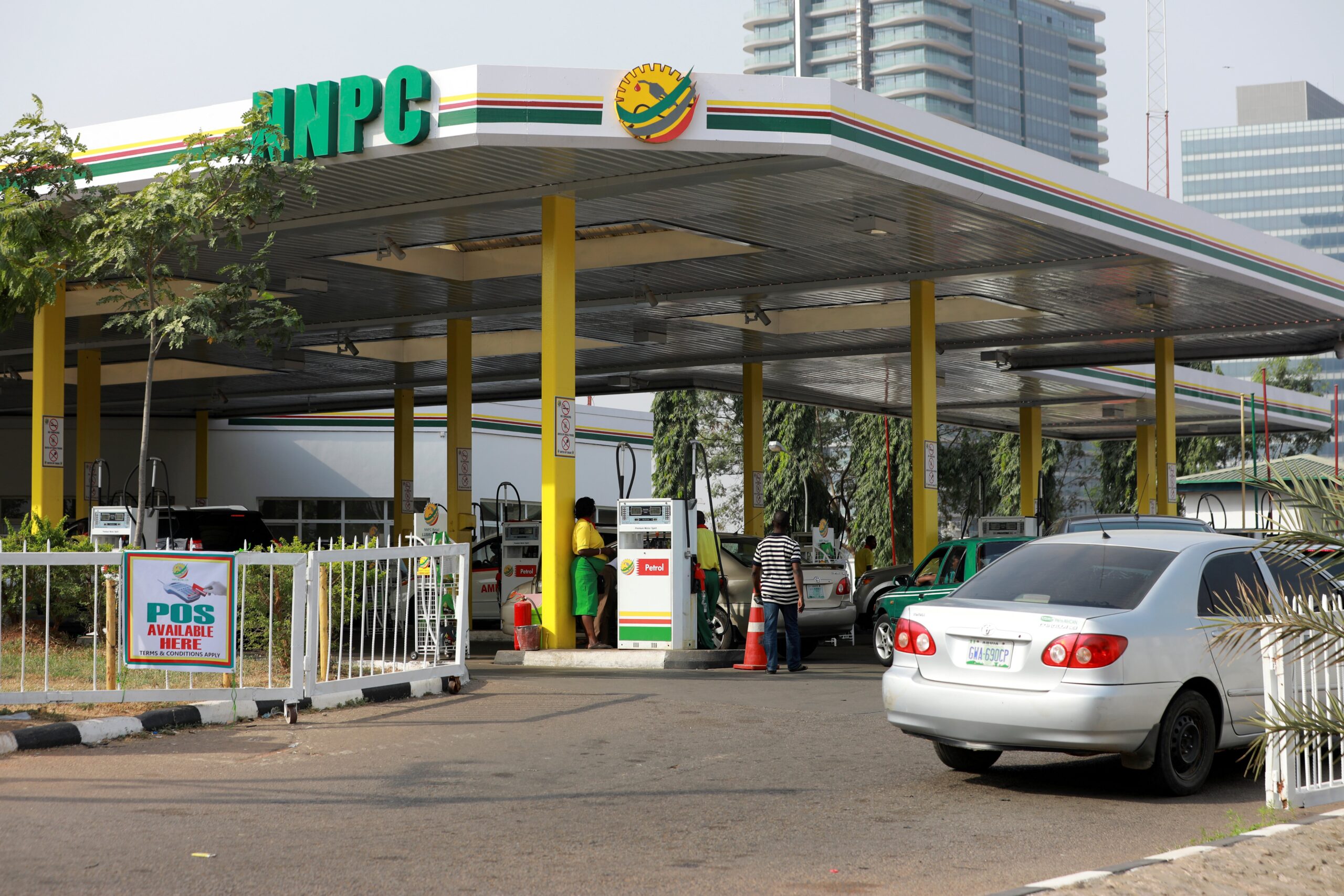
LAGOS: Nigeria remains one of the world’s leading crude oil producers, ranking among the top oil-producing nations globally and the largest producer in Africa. Yet, despite its vast petroleum resources, Nigerians continue to pay significantly more for petrol than citizens of several oil-rich countries.
Recent global fuel price data reveal that while countries such as Libya, Iran, Venezuela, Kuwait and Saudi Arabia enjoy some of the cheapest petrol prices in the world, Nigerians are paying an average of about ₦1,281 per litre based on global pricing benchmarks.
The development has reignited debate over why a country blessed with abundant crude oil reserves continues to struggle with high fuel costs while nations with similar or even smaller oil reserves offer petrol to citizens at a fraction of the price.
Petrol Prices in Major Oil-Producing Countries
Using an exchange rate of ₦1,370 to one US dollar, the average petrol prices in selected oil-producing countries are shown below:
| Country | Petrol Price (USD/Litre) | Equivalent in Naira (₦) |
|---|---|---|
| Libya | $0.024 | ₦32.88 |
| Iran | $0.029 | ₦39.73 |
| Venezuela | $0.035 | ₦47.95 |
| Angola | $0.327 | ₦447.99 |
| Kuwait | $0.348 | ₦476.76 |
| Algeria | $0.355 | ₦486.35 |
| Turkmenistan | $0.380 | ₦520.60 |
| Egypt | $0.454 | ₦621.98 |
| Qatar | $0.560 | ₦767.20 |
| Saudi Arabia | $0.620 | ₦849.40 |
| Oman | $0.650 | ₦890.50 |
| Iraq | $0.680 | ₦931.60 |
| Kazakhstan | $0.700 | ₦959.00 |
| Azerbaijan | $0.710 | ₦972.70 |
| Bahrain | $0.780 | ₦1,068.60 |
| Indonesia | $0.800 | ₦1,096.00 |
| Ecuador | $0.820 | ₦1,123.40 |
| Russia | $0.870 | ₦1,191.90 |
| United Arab Emirates | $0.920 | ₦1,260.40 |
| Nigeria | $0.935 | ₦1,280.95 |
| Malaysia | $0.950 | ₦1,301.50 |
| Mexico | $1.280 | ₦1,753.60 |
| Brazil | $1.290 | ₦1,767.30 |
| China | $1.330 | ₦1,822.10 |
| Canada | $1.340 | ₦1,835.80 |
| United Kingdom | $1.990 | ₦2,726.30 |
| Norway | $2.180 | ₦2,986.60 |
Why Does Nigeria Pay More for Petrol Than Many Oil-Producing Countries?
1. Removal of Fuel Subsidy
The biggest factor behind the rise in petrol prices is the removal of fuel subsidy by President Bola Tinubu in May 2023.
For decades, the Nigerian government spent billions of dollars annually to keep fuel prices artificially low. The subsidy system ensured that petrol remained affordable even when global crude oil prices increased.
However, the Federal Government ended the subsidy regime, allowing market forces to determine prices. As a result, petrol prices jumped from below ₦200 per litre to over ₦500 initially and have continued to rise.
2. Weak Naira and Exchange Rate Crisis
Although Nigeria produces crude oil, petrol pricing is heavily influenced by the value of the naira.
For many years, Nigeria exported crude oil and imported refined petroleum products due to inadequate refining capacity. Since petroleum imports are paid for in dollars, the depreciation of the naira significantly increased fuel costs.
The naira’s sharp decline since 2023 has made imported fuel and refining inputs more expensive.
3. Limited Domestic Refining Capacity
Despite being one of the world’s largest crude oil producers, Nigeria historically lacked sufficient refining capacity.
For years, the country’s state-owned refineries operated far below capacity or remained inactive, forcing dependence on imported fuel.
While the Dangote Refinery has improved local refining, market-based pricing means fuel costs are still linked to global crude oil prices and foreign exchange realities.
4. High Transportation and Distribution Costs
Nigeria’s petroleum supply chain faces major logistical challenges.
Poor road infrastructure, pipeline vandalism, insecurity and high transportation expenses contribute significantly to the final pump price paid by consumers.
These costs are ultimately passed on to motorists and businesses.
5. Global Crude Oil Market Volatility
Recent tensions in the Middle East have pushed crude oil prices higher worldwide.
As global oil prices rise, local fuel prices also increase because refiners and marketers adjust prices to reflect higher costs.
This explains why petrol prices have surged from below ₦900 per litre to over ₦1,300 per litre in many parts of Nigeria in recent months.
Countries With the Cheapest Petrol Among Oil Producers
The countries currently offering the cheapest petrol prices among major oil-producing nations are:
- Libya – ₦32.88 per litre
- Iran – ₦39.73 per litre
- Venezuela – ₦47.95 per litre
- Angola – ₦447.99 per litre
- Kuwait – ₦476.76 per litre
Most of these countries maintain extensive government subsidies that shield citizens from fluctuations in global energy prices.
The Big Question
Nigeria may be Africa’s largest crude oil producer and one of the world’s leading oil exporters, but experts argue that producing crude oil alone does not guarantee cheap petrol.
Without subsidies, a stable currency, efficient refineries and lower distribution costs, consumers are often exposed to international market forces.
As the Federal Government insists that fuel subsidy will not return, many Nigerians are left wondering why a country blessed with enormous oil wealth continues to pay some of the highest petrol prices among major oil-producing nations.


