


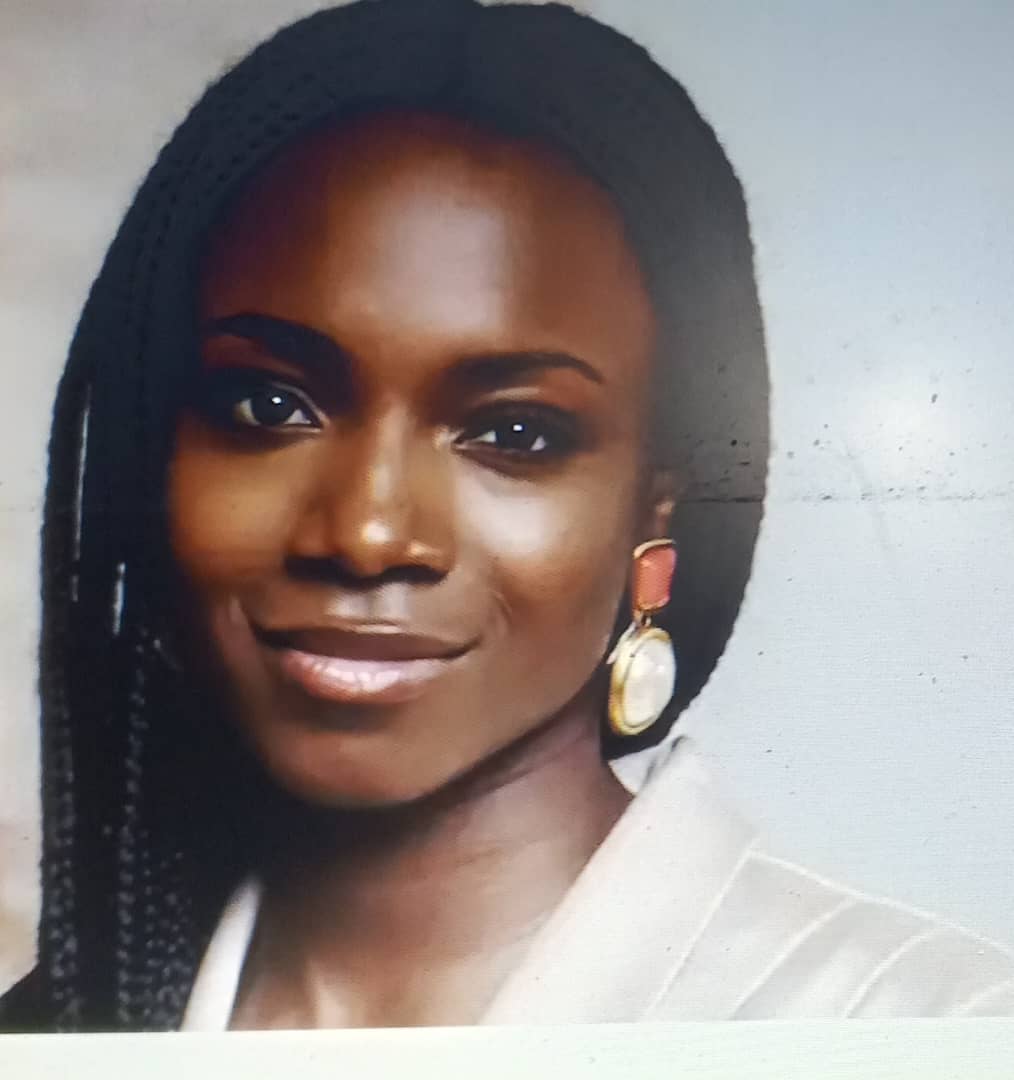
A Nigerian -American engineer and Harvard graduate, Yinka Ogunbiyi, has secured $7 million in seed funding to commercialize HaloBraid, a groundbreaking robotic assistant designed to help professional hairstylists braid hair faster while reducing physical strain.
The innovation, described as the world’s first braid-assist robot, is expected to transform the multi-billion-dollar hair-braiding industry by cutting the time required for protective hairstyles such as knotless and box braids, while allowing stylists to serve more clients without sacrificing quality.
The funding round was led by Seven Seven Six , the venture capital firm founded by Reddit co-founder Alexis Ohanian, with participation from AlleyCorp and Bling Capital. The investment will be used to accelerate product development, manufacturing, and the commercial rollout of HaloBraid to salons across the United States and beyond.
Ogunbiyi conceived the idea during the COVID-19 lockdown after spending four days installing her own knotless braids. The lengthy and physically demanding process inspired her to explore whether robotics could simplify one of the most repetitive aspects of hairstyling.
She later partnered with co-founder David Afolabi to develop HaloBraid, combining engineering expertise with an understanding of the needs of professional braiders. Together, they built hundreds of prototypes before arriving at the current design.
Unlike fully automated machines, HaloBraid is built as an assistant rather than a replacement for human hairstylists.
A stylist begins each braid by parting the hair, adding extensions, and creating the anchor knot. The HaloBraid device then takes over the repetitive mid-length braiding process before the stylist completes the finishing touches, including trimming and sealing the ends.
According to the company, this collaborative approach can dramatically reduce appointment times while minimizing hand fatigue and repetitive stress injuries such as carpal tunnel syndrome, which are common among professional braiders.
Interest in the innovation has been overwhelming even before its commercial launch.
HaloBraid has already attracted more than 7,000 professional salons to its waiting list, demonstrating strong demand for technology that can improve productivity in the beauty industry.
Industry estimates suggest hairstylists collectively spend billions of hours braiding hair every year, making the market ripe for technological innovation.
Ogunbiyi holds a joint Master of Science and Master of Business Administration (MBA) from Harvard University’s Engineering School and Business School.
Before founding HaloBraid, she worked on developing smart consumer electronics and connected home appliances, experience that helped shape the engineering behind the robotic braiding assistant.
The company plans to begin deploying HaloBraid in salons later this year, with the goal of making professional hair braiding faster, more affordable, and less physically demanding.
While artificial intelligence and robotics continue to reshape industries worldwide, Ogunbiyi insists the technology is intended to empower hairstylists rather than replace them, preserving the creativity and personal connection that define the salon experience while eliminating much of the repetitive manual work.