


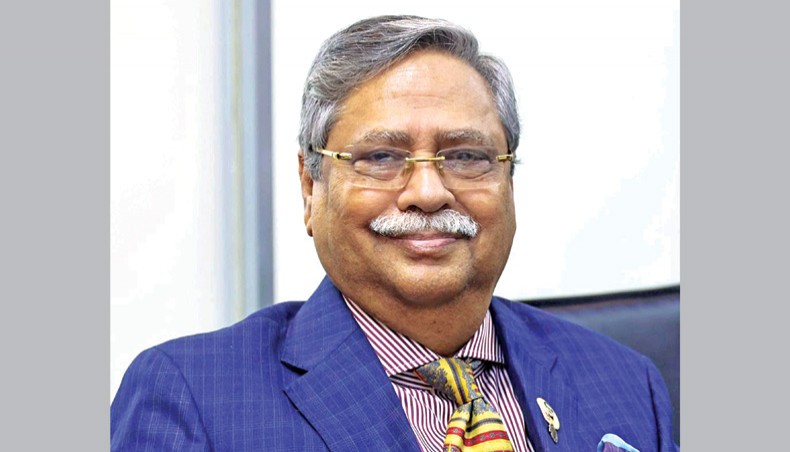
DHAKA: Bangladesh President Mohammed Shahabuddin has resigned from office, citing a serious neurological condition that has begun to affect his health and ability to carry out his duties.
The 76-year-old leader announced his resignation on Friday, with the presidency confirming the decision in a statement issued by his press secretary.
Shahabuddin, who assumed the largely ceremonial office in April 2023, said recent medical examinations diagnosed him with Autonomic Neuropathy, a neurological disorder that occasionally causes him to lose consciousness.
Recent medical examinations have diagnosed me with a condition known as Autonomic Neuropathy. Due to this condition, I occasionally experience momentary loss of consciousness,” Shahabuddin said in the statement.
His resignation comes at a critical period in Bangladesh’s political landscape, effectively leaving former Prime Minister Sheikh Hasina without any close ally in the country’s top leadership.
Hasina, who fled to neighbouring India following a student-led uprising in 2024 that brought an end to her administration, has remained in exile while her Awami League party has been banned. Several of the party’s leaders have either been arrested or gone into hiding.
Shahabuddin was widely regarded as a close associate of Hasina, making his presidency a focal point during Bangladesh’s political transition following her removal from power.
Under Bangladesh’s Constitution, the Speaker of the Jatiya Sangsad (National Parliament) will assume presidential responsibilities in an acting capacity until a new president is elected.
Although the president serves as the Commander-in-Chief of the Armed Forces, executive authority in Bangladesh rests primarily with the Prime Minister and the Cabinet, making the presidency largely ceremonial.
Shahabuddin’s resignation marks another significant development in Bangladesh’s ongoing political transition. His departure removes the last prominent figure associated with Sheikh Hasina’s administration from the country’s highest offices, further reshaping the nation’s political landscape ahead of any future elections.
Political analysts say the resignation could influence the balance of power within the transitional government as Bangladesh prepares for the selection of a new head of state.
The development comes amid continued uncertainty over Sheikh Hasina’s political future, with reports suggesting she may seek a return to Bangladesh in the coming months despite remaining in exile.