

LAGOS: Leading delivery platform Glovo and key players in Nigeria’s e-commerce ecosystem have called for stronger collaboration across sectors to drive inclusive growth for small and medium-sized businesses (SMEs) and deepen innovation in the country’s rapidly evolving digital marketplace.
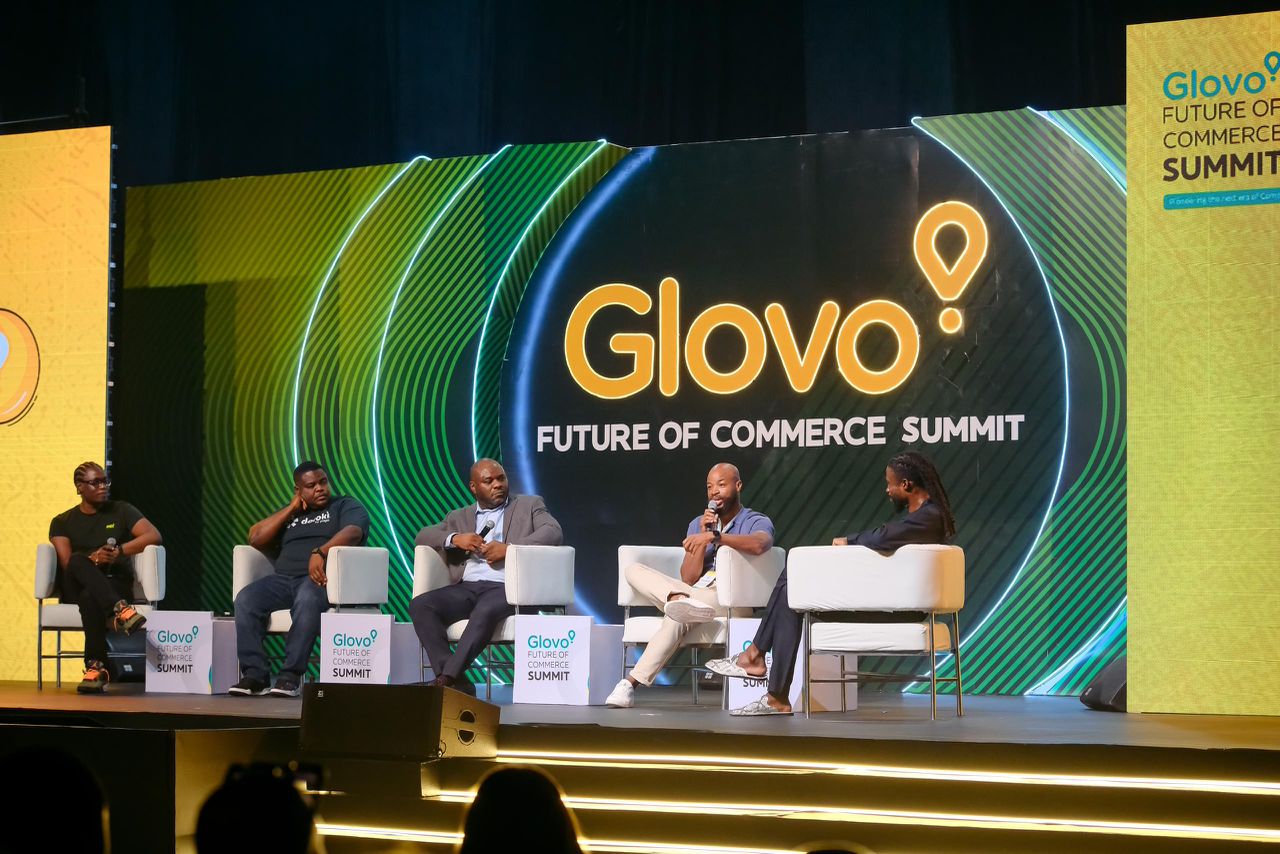
The call was made at the second edition of the Future of Commerce Summit held in Lagos, where policymakers, entrepreneurs, and technology leaders gathered to examine how digital platforms are reshaping commerce and expanding opportunities for businesses.
Speaking at the summit, the President of the Lagos Chamber of Commerce and Industry, Leye Kupoluyi, represented by Vice President Opeyemi Aminu, said Nigeria’s economy is undergoing a major transformation driven by technology, data, and connectivity.
According to him, commerce is increasingly shifting from traditional physical structures to a more intelligent, platform-based system that is redefining how businesses operate and how consumers interact.
In her keynote address, the General Manager of Glovo Nigeria, Reni Onafeko, said the summit underscores the company’s commitment to supporting SMEs as they transition into the digital economy.
She explained that Glovo is focused on helping businesses unlock new revenue streams, improve efficiency, and scale operations through access to technology and digital infrastructure.
“Future of Commerce reflects our commitment to building a more inclusive and innovation-driven ecosystem where SMEs can grow, compete, and thrive,” she said.
Onafeko added that the company aims to develop the largest on-demand, multi-category platform in Nigeria, enabling partners across sectors to expand their reach and sustain long-term growth.
Also speaking, the Director-General of the Small and Medium Enterprises Development Agency of Nigeria, Charles Odii, represented by Olusola Oluwole-Adeilupo, described the on-demand economy as the “new architecture of trade.”
He noted that while SMEs remain the backbone of Nigeria’s economy, they continue to face persistent challenges such as limited access to finance, low adoption of technology, restricted market reach, and weak integration into the formal digital economy.
Odii commended Glovo for sustaining the summit, noting that its continuity reflects a long-term commitment to building a digitally enabled commerce ecosystem rather than a one-off initiative
The summit featured panel discussions on key areas shaping the future of commerce, including infrastructure development, artificial intelligence and automation, and strategies for running profitable businesses in Nigeria’s food and quick-commerce sectors.
Industry leaders from companies such as Food Concepts Plc, GIG Logistics, and Paga Group shared insights on scaling operations, leveraging data, and adapting to changing consumer behaviour.
Participants agreed that collaboration between the public and private sectors remains critical to unlocking the full potential of Nigeria’s e-commerce industry.
They stressed that empowering SMEs with access to digital tools, logistics networks, and financial services will be key to building a resilient, inclusive economy capable of supporting sustainable growth.
The event concluded with award presentations recognising outstanding partners in the food and quick-commerce categories, further highlighting the role of innovation and partnership in shaping Nigeria’s commerce landscape.