


The Federal Government has outlawed the use of the “Dr” title by recipients of honorary degrees, warning that any such representation will now be treated as academic fraud with potential legal and reputational consequences.
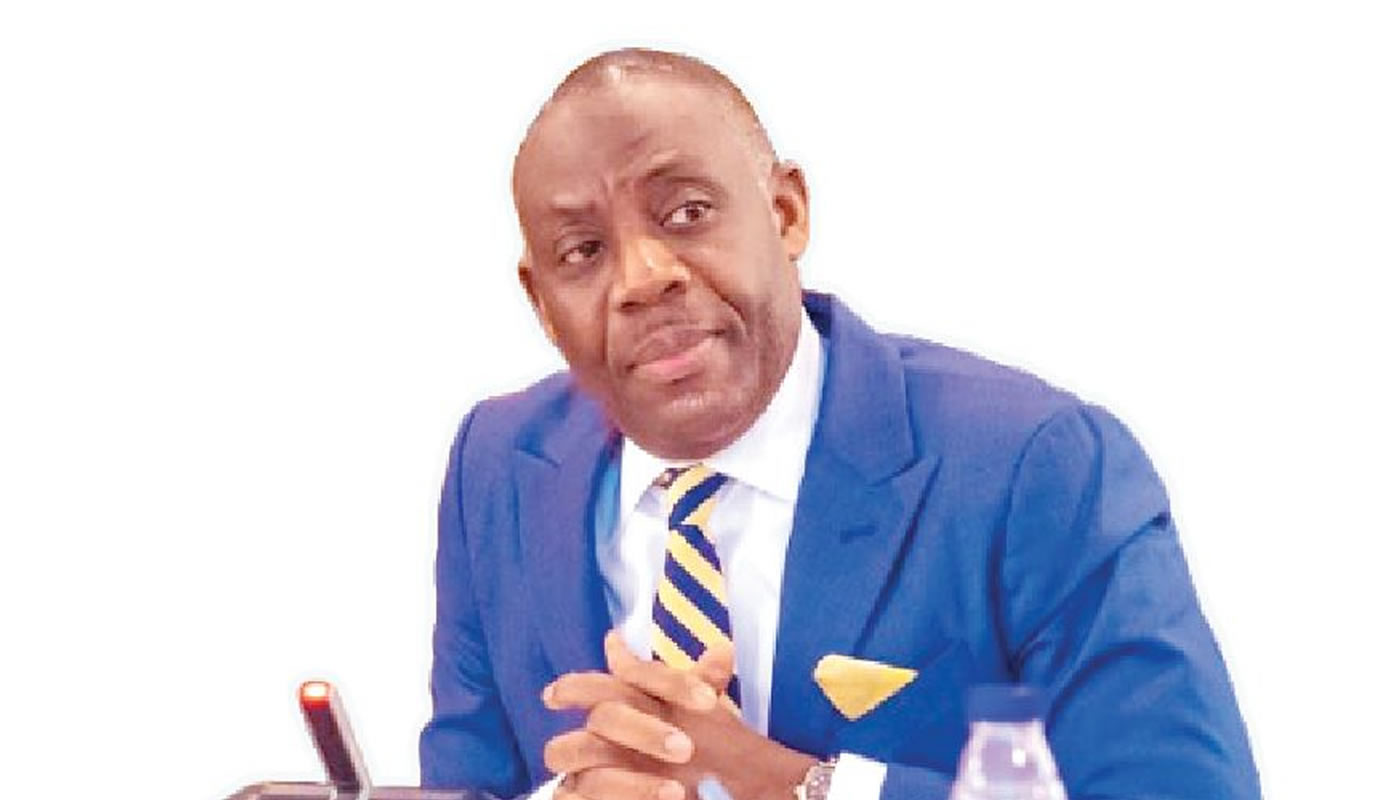
Minister of Education, Tunji Alausa, announced the directive on Wednesday at the Presidential Villa, Abuja, while briefing State House correspondents on key decisions approved by the Federal Executive Council (FEC).
According to the minister, the new policy introduces a uniform framework regulating the award and usage of honorary degrees across Nigerian universities. It aims to curb what he described as longstanding abuse, politicisation, and commercialisation of the prestigious academic honour.
Alausa explained that recipients of honorary degrees must no longer prefix “Dr” to their names in any official, academic, or professional setting. Instead, they are required to use the full honorary designation after their names to clearly indicate the nature of the award.
“For instance, recipients should write ‘Chief Louis Clark, D.Lit. (Honoris Causa)’ or ‘Mrs Miriam Adamu, LL.D. Hons.’ This ensures there is no confusion between honorary and earned academic qualifications,” he said.
He stressed that misrepresenting an honorary degree as an earned doctorate would be classified as academic fraud, attracting sanctions.
The policy also limits Nigerian universities to awarding only four categories of honorary degrees: Doctor of Laws (LL.D), Doctor of Letters (D.Lit), Doctor of Science (D.Sc), and Doctor of Humanities (D.Arts).
In addition, institutions without active PhD programmes have been barred from conferring honorary degrees. The move, Alausa noted, is targeted at newer universities—many less than five years old, that have engaged in indiscriminate award practices despite lacking robust postgraduate research structures.
All honorary degrees must clearly carry the words ‘honorary’ or ‘Honoris Causa’ on certificates and in all references, the minister added.
The directive also empowers the Federal Ministry of Education and the National Universities Commission (NUC) to enforce compliance. Universities will receive official circulars, while convocation ceremonies will be monitored to ensure adherence.
Alausa further revealed that the government will publish an annual list of legitimate honorary degree recipients and work with the media to discourage the improper use of academic titles.
He recalled that previous efforts by the Association of Vice-Chancellors of Nigerian Universities,particularly the 2012 Keffi Declaration—failed due to lack of legal backing.
“This time, the policy has full executive approval, giving it the force needed for enforcement, he said.
The reform is widely seen as part of broader efforts to restore integrity and public confidence in Nigeria’s academic system, which has faced criticism over the years for awarding honorary degrees based on political influence and financial patronage rather than merit.