


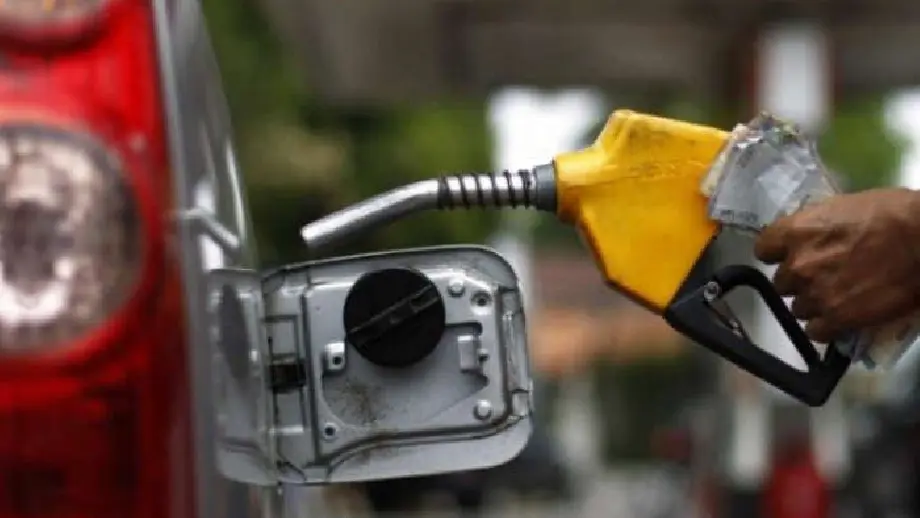
ABUJA: The Nigerian National Petroleum Company Limited, NNPCL, has reduced the pump price of petrol at some of its retail outlets in Abuja, bringing the price down from N1,299 to N1,250 per litre.
The latest adjustment followed growing concerns over declining patronage at NNPCL stations after private filling stations across the Federal Capital Territory began selling petrol at lower prices.
A market survey conducted in Abuja on Tuesday showed that NNPCL outlets in Gwarimpa, Kubwa Expressway, Wuse Zone 4 and Wuse Zone 6 were selling petrol at N1,250 per litre.
The new price represents a reduction of N49 per litre from the previous N1,299 price.
The development comes shortly after reports that motorists were increasingly avoiding NNPCL retail outlets because of the relatively higher cost of petrol compared with competing filling stations.
Private marketers had recently responded to falling market prices by cutting their pump prices.
MRS and other filling stations linked to the Dangote Refinery had reduced their petrol prices by between N25 and N50 per litre, with pump prices in parts of Abuja and surrounding areas ranging from N1,210 to N1,275 per litre.
The price gap reportedly affected patronage at some NNPCL outlets, putting pressure on the state-owned oil company to review its pricing.
With the latest adjustment, petrol prices in Abuja and neighbouring areas now generally range between N1,210 and N1,300 per litre, depending on the station and location.
The latest reduction is expected to provide some relief for motorists, particularly as fuel prices continue to influence transportation costs and the wider cost of living.
The development also highlights the increasingly competitive nature of Nigeria’s downstream petroleum market following the removal of petrol subsidy and the growing availability of locally refined products.
As more domestic refineries and private marketers compete for market share, consumers are increasingly comparing pump prices before deciding where to buy petrol.