


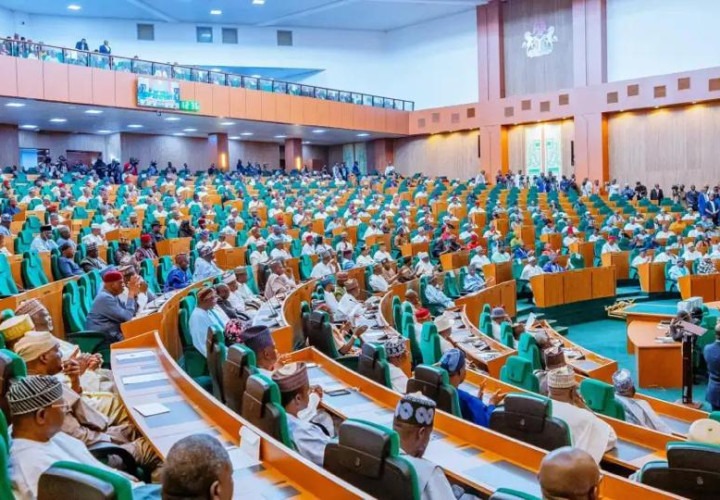
The House of Representatives primaries of Nigeria’s ruling All Progressives Congress (APC) ahead of the 2027 general elections have plunged the party into a major internal crisis, as at least 26 serving lawmakers failed to secure tickets for another term.
The exercise, held across several states, was marred by allegations of imposition, manipulated results, disqualifications, consensus arrangements, and threats of legal action from aggrieved aspirants.
The APC confirmed that 14 aspirants were disqualified during the screening process, including four serving federal lawmakers. According to the party’s National Publicity Secretary, Felix Morka, those affected did not meet the requirements of the screening exercise, though no detailed reasons were made public.
In Rivers State, tensions intensified as several politicians linked to Governor Siminalayi Fubara were disqualified, while aspirants believed to be loyal to FCT Minister Nyesom Wike were cleared, deepening the political rivalry between both camps.
A notable upset occurred in Edo State where House Leader Julius Ihonvbere lost his Owan Federal Constituency ticket and rejected the outcome, insisting no valid election took place. Another lawmaker, Esosa Iyawe, also denounced the process, alleging violence and irregularities.
In Kwara State, lawmaker Tijani Kayode questioned the credibility of the exercise after reportedly scoring zero votes, describing the process as one that could end up in court.
In Lagos State, Speaker of the State House of Assembly Mudashiru Obasa secured the Agege Federal Constituency ticket, displacing incumbent lawmaker Hameed Adewale. Similar controversies trailed the Kosofe contest, with aspirants rejecting announced results.
Ogun State also witnessed multiple upsets, including the defeat of Deputy Chief Whip Isiaka Ibrahim, who accused Governor Dapo Abiodun of imposing candidates through what he described as an affirmation process instead of actual primaries.
In Imo State, four serving lawmakers lost their tickets under the APC’s Option A4 voting method. While some rejected the results, lawmaker Miriam Onuoha accepted the outcome and pledged loyalty to Governor Hope Uzodimma.
The primaries turned deadly in Plateau State after a resident, Sani Abdullahi, was killed during violence in Mangu Local Government Area. Eyewitnesses said security personnel fired shots while attempting to disperse protesters who had gathered over delays in the conduct of the primary election.
The incident added to a growing list of violent disruptions reported during the APC primaries, including earlier reports of a supporter being shot during the Lagos exercise.
One of the fiercest political battles played out in Benue State, where allies of Governor Hyacinth Alia won most of the House tickets, dealing a significant blow to the camp of the Secretary to the Government of the Federation, George Akume.
The outcome underscored the growing rivalry between both camps over control of the party structure in the state. Earlier, Senator Akume had claimed that President Bola Tinubu supported automatic tickets for serving lawmakers, a position Governor Alia publicly rejected.
Across states including Ekiti State, Katsina State, Kebbi State, Jigawa State, Cross River State and Oyo State, similar complaints emerged as consensus arrangements sidelined many incumbents.
Several aspirants accused party leaders of writing results without voting, excluding agents from collation centres, and undermining internal democracy. Appeal committees have since been opened in some states, while many aggrieved contestants are expected to challenge the results formally.
The widespread fallout from the primaries signals deepening cracks within the APC as it prepares for the 2027 elections, with analysts warning that unresolved disputes could trigger defections, litigation, and further instability within the ruling party.