


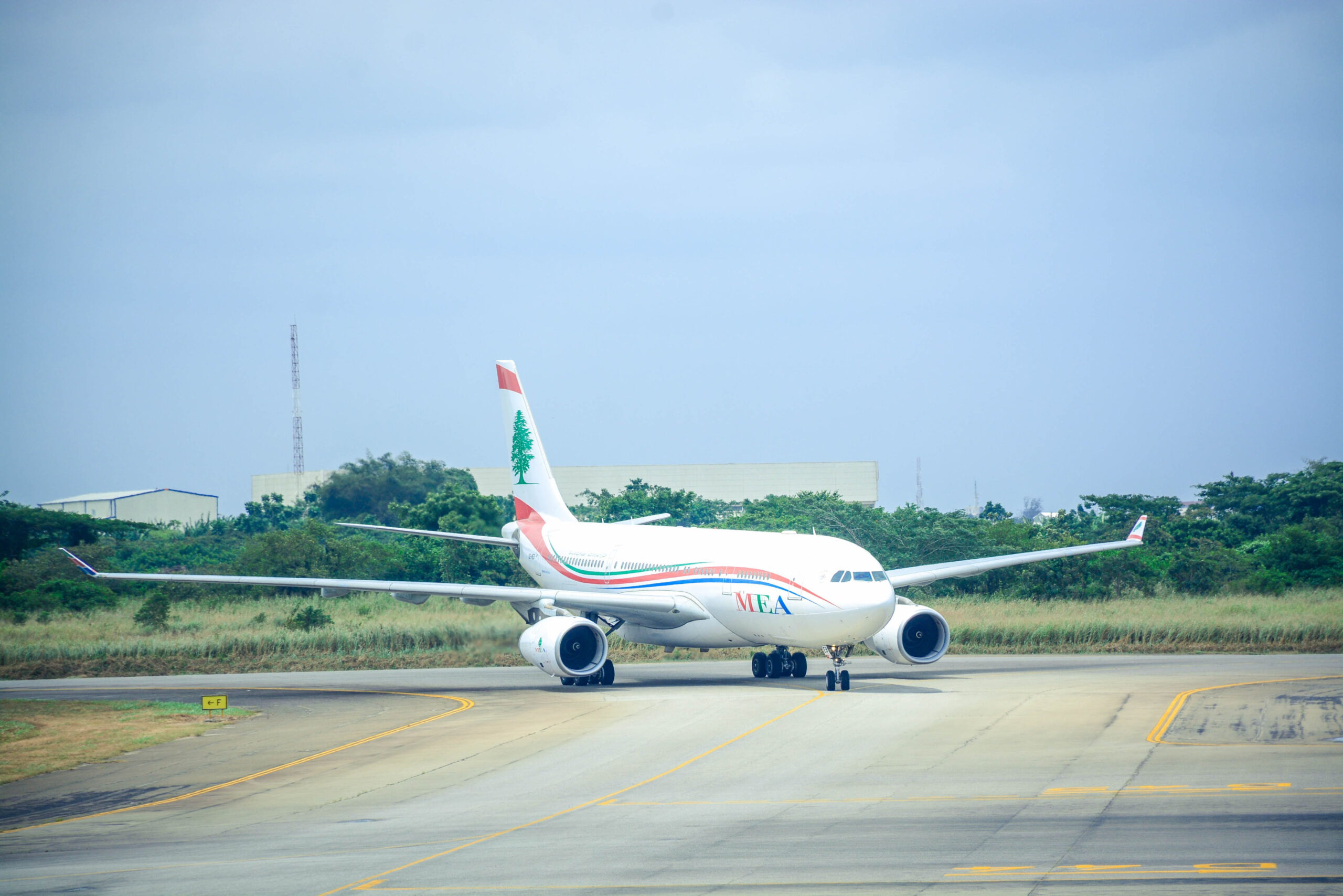
Airfares across Nigeria’s domestic routes have remained largely stable in recent months, even as aviation fuel prices soar, thanks to increased competition driven by the entry of new airlines into the market.
A wave of new carriers including Pioneer Airlines, backed by the Bayelsa State Government; Binani Airlines, owned by Senator Aishatu Binani; K-Impex Airlines, promoted by a consortium of northern investors; and Enugu Air, launched by the Enugu State Government has intensified competition within the sector.
More recently, Gateway Airline commenced operations on April 13, 2026, connecting routes such as Iperu–Abuja and onward flights to Port Harcourt, Calabar, and Jos. Another entrant, Caliphate Air, supported by the Sokoto State Government, is preparing for a second-half 2026 launch after securing its Air Transport Licence and progressing toward certification from the Nigeria Civil Aviation Authority.
These new players are joining established operators like Air Peace, Arik Air, Ibom Air, Max Air, Xejet, Green Africa, United Nigeria Airlines, Aero Contractors, and ValueJet, all competing in a market challenged by weak consumer demand and slow growth.
Despite a sharp increase in aviation fuel rising from about N995 per litre in January to between N2,700 and N3,000 ticket prices have not surged as expected.
Fuel typically accounts for over 40 percent of airline operating costs, which would ordinarily lead to higher fares.
Industry experts attribute the price stability to aggressive competition. Seyi Adewale, CEO of Mainstream Cargo Limited, noted that new entrants often keep fares low to attract passengers, especially as many are backed by state governments with the financial capacity to sustain initial losses.
He added that Nigeria’s aviation sector still suffers from limited capacity relative to its population and geographic size. As a result, state governments are increasingly investing in airlines and airport infrastructure to boost connectivity, trade, and tourism while creating jobs.
Echoing this, Ibironke Rotimi-Olajide of Air Peace said the growing number of airlines has outpaced passenger demand, leading to lower load factors. “Airlines are struggling to fill seats due to declining passenger traffic, even as more operators enter the market,” she said.
Data shows that return economy tickets from Lagos to Abuja currently range between N150,000 and N158,000 unchanged since mid-January 2026.
This contrasts with prices of N200,000 to N220,000 for the same route a year earlier.
Similarly, Lagos–Port Harcourt return fares now average between N150,000 and N170,000, compared to about N250,000 last year. Lagos–Kano routes cost between N200,000 and N300,000, down from over N350,000 in 2025.
The Nigeria Civil Aviation Authority recently disclosed that it has issued between seven and eight Air Operator Certificates (AOCs), signaling that more airlines will soon enter the market.
According to its Director-General, Chris Najomo, the certification timeline has been reduced to six to nine months without compromising safety standards.
Olumide Ohunayo, an aviation analyst at Zenith Travels, linked the surge in new airlines to the success of Ibom Air, which has become a model for state-backed aviation ventures.
He noted that many states are now pursuing integrated strategies that include both airline operations and airport ownership to strengthen control and boost regional development.
However, Ohunayo warned that the current fare levels may not be sustainable in the long term due to rising operational costs.
He suggested that collaboration among local carriers to build scale could improve long-term viability.
Overall, while increased competition is currently benefiting passengers through lower fares, the long-term stability of pricing will depend on how airlines manage rising costs and market realities.