


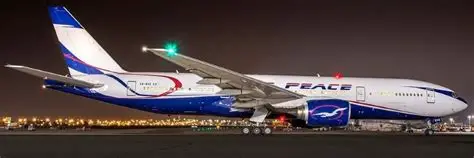
Strategic interline agreement could expand international travel options, strengthen African aviation connectivity and create opportunities for Nigerian airlines to compete more effectively in the global market.
LAGOS: Nigeria’s aviation industry may be entering a new phase of international cooperation following an interline agreement between Ethiopian Airlines and Air Peace, a partnership expected to improve passenger connectivity and provide an alternative to the dominance of foreign carriers in the country’s aviation market.
The agreement between Africa’s leading aviation group, Ethiopian Airlines, and Nigeria’s largest airline, Air Peace, is attracting attention from industry stakeholders who believe it could strengthen domestic airlines’ participation in international travel and create new opportunities for passengers.
An interline agreement allows passengers to book connecting journeys involving two or more airlines on a single ticket. It also facilitates the transfer of checked baggage to the final destination and provides arrangements for passengers whose connecting flights are affected by delays.
Ethiopian Airlines currently operates 53 weekly flights into Nigeria through five major airports: Lagos, Abuja, Kano, Enugu and Port Harcourt.
The partnership is expected to connect Air Peace’s domestic and regional network with Ethiopian Airlines’ extensive international destinations, giving passengers more travel options and potentially simplifying journeys across Africa and beyond.
The agreement has generated debate about how Nigeria can strengthen its domestic aviation industry while maintaining international connectivity.
Some aviation observers believe the partnership offers a more strategic approach than allowing foreign airlines to expand their entry points and flight frequencies into Nigeria without comparable opportunities for local carriers.
They argue that Nigerian airlines should pursue commercial partnerships with international operators, enabling them to access wider markets and compete for connecting passenger traffic.
Under this arrangement, Air Peace could benefit from Ethiopian Airlines’ global reach, while the Ethiopian carrier could gain access to Air Peace’s extensive domestic and regional network.
The partnership could therefore create mutual commercial benefits while improving connectivity for travellers using Nigerian airports
The management of both airlines has expressed optimism about the potential impact of the agreement.
Group Chief Executive Officer of Ethiopian Airlines Group, Mesfin Tasew, described the partnership as a strategic step towards improving connectivity, passenger convenience and the growth of air travel across Africa.
He said the collaboration would combine the strengths of both airlines to create additional travel opportunities and bring Africa closer to the rest of the world.
Similarly, Chairman and Chief Executive Officer of Air Peace, Allen Onyema, described the agreement as another milestone in the airline’s efforts to strengthen African aviation connectivity.
Onyema said combining Air Peace’s domestic, regional and expanding international network with Ethiopian Airlines’ global reach would create more opportunities for seamless travel into and out of Africa.
He added that the partnership reflected a shared commitment to strengthening economic, commercial and cultural relationships across the continent.
Despite welcoming the agreement, aviation stakeholders have stressed that Air Peace must ensure the partnership delivers substantial long-term commercial benefits.
Incoming Country Manager of Uganda Airlines in Nigeria and former Managing Director of Travelden, Gbenga Onitilo, described the agreement as a significant development, particularly considering the history of disagreement between the two airlines over the proposed Nigeria Air project.
Ethiopian Airlines had been selected as the strategic partner for Nigeria Air, the proposed national carrier initiative that faced opposition and legal challenges from domestic operators, including Air Peace, before the project collapsed in 2023.
Onitilo advised Air Peace to treat the interline agreement as a starting point rather than the final destination of its international expansion strategy.
He urged the Nigerian airline to use passenger booking data generated through the partnership to negotiate more favourable commercial terms, including special prorate agreements on important routes and, eventually, a codeshare arrangement that could allow both airlines to share additional revenue.
He also recommended that Air Peace establish a protected connecting-passenger service at Lagos airport, supported by guaranteed connection times, a dedicated transfer desk and enforceable service standards for ground handlers.
According to him, Air Peace should negotiate from a position of strength, protect routes operated with its own aircraft and maintain competitive safeguards against arrangements that could undermine its existing network.
Onitilo further emphasised the importance of punctuality and effective disruption management, warning that although airline partners share reputational benefits, passengers may not always distinguish which carrier is responsible when a journey goes wrong.
Onitilo also challenged the Federal Government to create a policy environment that supports Nigerian airlines and encourages the development of Lagos as a genuine international aviation hub.
He identified the need for an efficient domestic-to-international passenger transfer system at the Murtala Muhammed International Airport, stronger reciprocity in bilateral air service agreements and clear regulations protecting passengers when interline journeys are disrupted.
He also called for a coherent national position on the Single African Air Transport Market, an initiative aimed at improving air connectivity and liberalising aviation services across Africa.
According to him, government policies should reward Nigerian airlines that develop connecting passenger traffic through Lagos rather than simply allowing local carriers to feed passengers into foreign airlines’ international networks.
He maintained that the success of the Air Peace-Ethiopian Airlines partnership would depend on whether Nigeria uses the opportunity to develop its own aviation hub or becomes increasingly dependent on foreign carriers.
Aviation analyst Olumide Ohunayo also welcomed the agreement, describing it as a better alternative to simply granting foreign airlines additional entry points and flight frequencies through the Ministry of Aviation.
His position reflects a growing argument within the industry that Nigerian carriers can improve their competitiveness through strategic commercial partnerships rather than relying solely on government restrictions against foreign operators.
For travellers, the partnership could provide easier access to more destinations through coordinated ticketing and connecting-flight arrangements.
Passengers may benefit from simplified bookings, baggage transfers and better protection when travelling across the networks of both airlines, subject to the specific terms and routes covered by the agreement.
For Air Peace, the deal offers an opportunity to extend its international reach without independently operating aircraft on every connecting route.
For Ethiopian Airlines, the partnership provides access to Air Peace’s Nigerian domestic and regional passenger network.
However, the long-term value of the agreement will depend on its implementation, the commercial terms negotiated by both airlines, the quality of passenger services and the ability of Nigerian airports to support seamless international connections.
Ultimately, the partnership represents more than a commercial arrangement between two airlines. It presents an opportunity for Nigeria to strengthen its position in African aviation, improve international connectivity and build a more competitive domestic airline industry.
Whether it becomes a turning point for Nigeria’s aviation ambitions will depend on how effectively Air Peace, Ethiopian Airlines and the Federal Government convert the agreement into lasting benefits for passengers and the wider economy.