


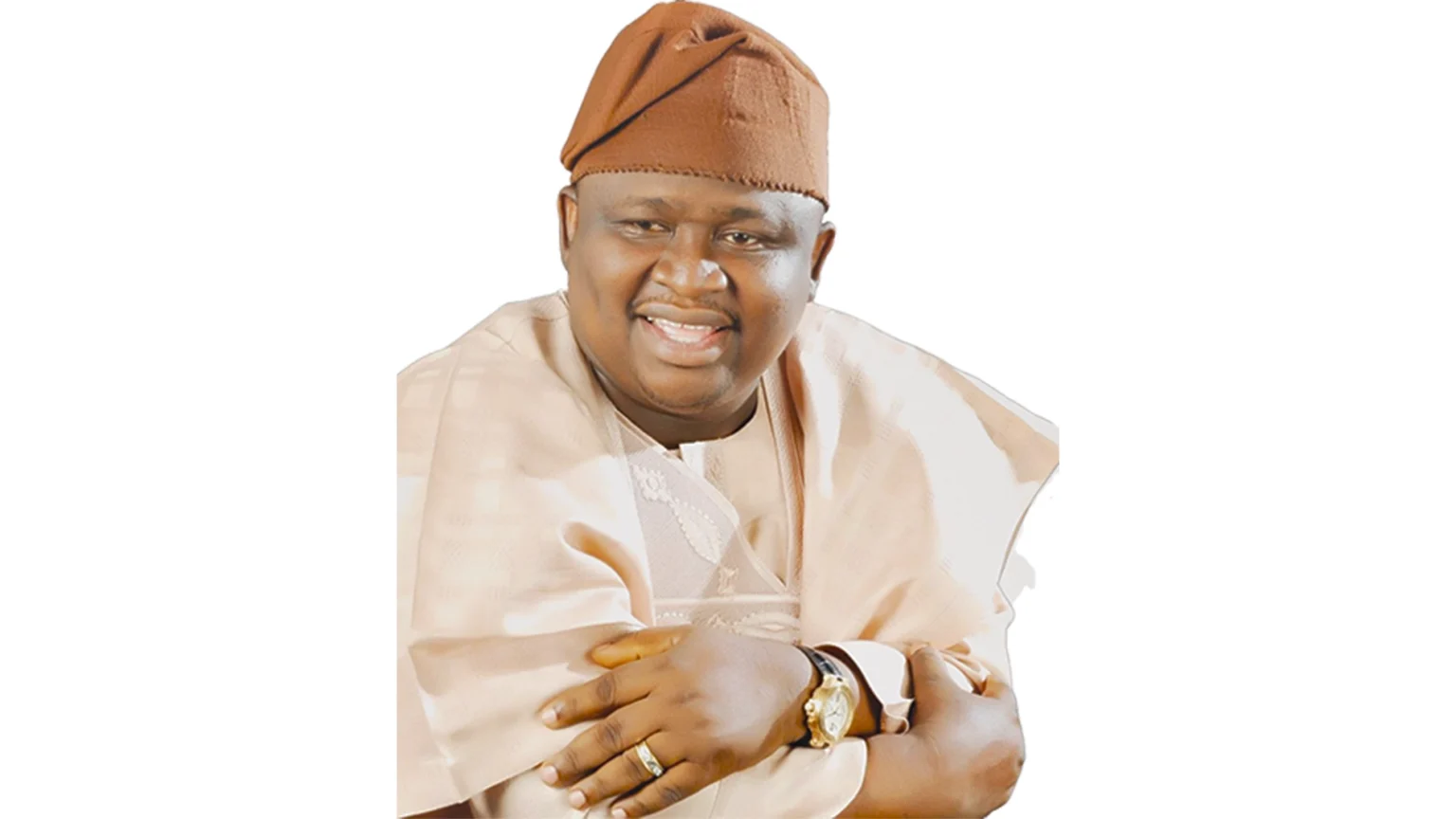
ABEOKUTA: The emergence of Senator Solomon Olamilekan Adeola, popularly known as Yayi, as the consensus governorship candidate of the All Progressives Congress (APC) in Ogun State for the 2027 elections was the outcome of months of intense political negotiations, strategic alignments, and high-level interventions.
Rather than a conventional primary election, Yayi’s emergence followed over a year of behind-the-scenes consultations involving key stakeholders, including President Bola Ahmed Tinubu, Governor Dapo Abiodun, and former governors such as Olusegun Osoba, Gbenga Daniel, and Ibikunle Amosun.
The consensus arrangement was reportedly adopted to avoid internal divisions and costly primaries, especially after past elections exposed deep fractures within the party in the state.
Sources indicated that the idea gained traction following a National Executive Committee (NEC) meeting in 2025, where Tinubu encouraged party leaders to reduce tensions and promote unity through consensus where possible.
Yayi’s candidacy was strengthened by repeated consultations at the Presidential Villa and strategic endorsements from influential figures. Osoba was said to have backed him after private consultations, while Daniel reportedly sought assurances on key infrastructure projects before offering support.
Amosun, initially at odds with Abiodun, eventually aligned with the consensus after direct intervention from Tinubu, culminating in a symbolic reconciliation meeting.
Governor Abiodun, who will complete his tenure in 2027, endorsed Yayi as the party’s candidate, signaling a unified front among Ogun APC leaders.
Yayi’s emergence is also seen as addressing the long-standing demand for power shift to Ogun West, a zone that has not produced a governor in decades. His early support for Tinubu’s presidential ambition and his political structure across the state reportedly gave him an advantage over other aspirants.
The consensus process involved a screening and negotiation committee that assessed aspirants based on competence, acceptability, loyalty, and capacity to fund elections.
While many stakeholders welcomed the consensus as a way to stabilise the party, critics argue it sidelines other aspirants and undermines internal democracy. There are also concerns that unresolved ambitions—particularly among key political figures—could trigger tensions ahead of the elections.
Potential power-sharing arrangements are already being discussed, with indications that other key positions may be distributed across Ogun’s three senatorial districts to maintain balance.
The Ogun model is reportedly part of a broader strategy by the APC to deploy consensus in several states ahead of the 2027 elections, aiming to prevent internal crises and consolidate electoral strength.
If successful, the arrangement could mark a historic shift in Ogun’s political landscape. Notably, it may enable Governor Abiodun to become the first in the state’s history to oversee a smooth, conflict-free transfer of power—breaking a long-standing pattern of politically tense transitions.
However, the durability of this consensus will depend on how effectively party leaders manage dissent and maintain unity in the lead-up to the polls.


