


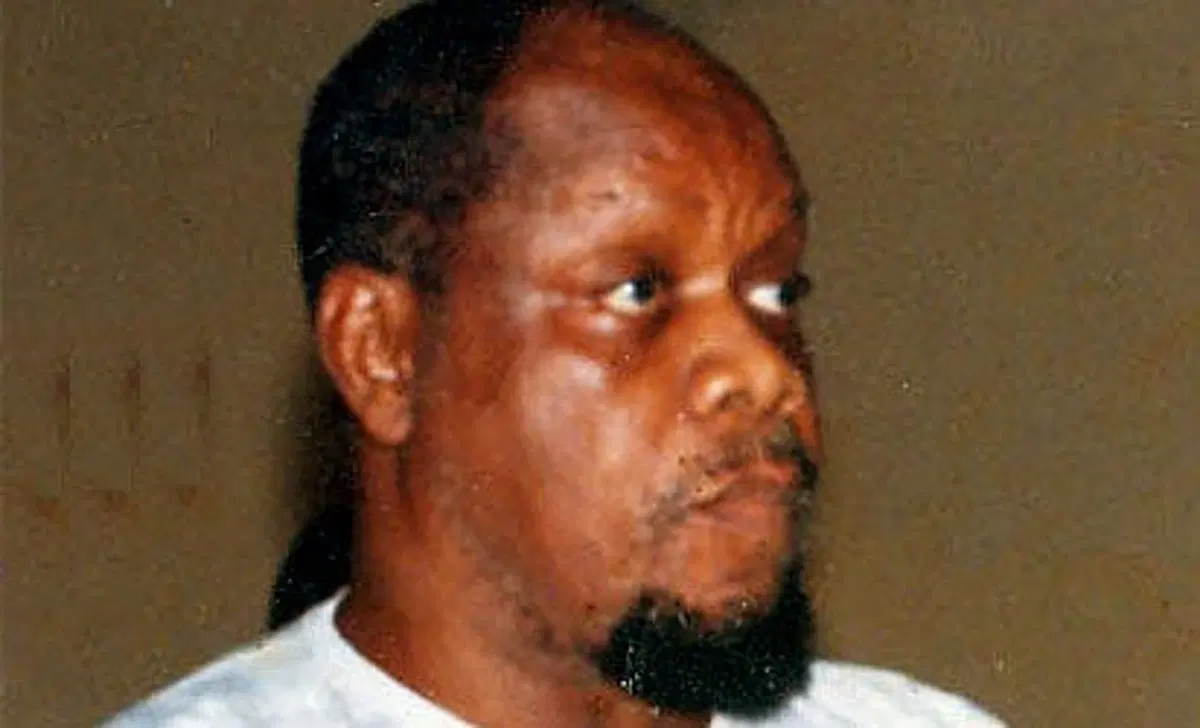
ABUJA: Former Head of State, General Abdulsalami Abubakar, has shed fresh light on the events that led to the Nigerian Civil War, revealing why the late Biafran leader, Chukwuemeka Odumegwu Ojukwu, refused to recognize General Yakubu Gowon as Nigeria’s Head of State after the assassination of Major General Johnson Aguiyi-Ironsi in 1966.
The revelations are contained in Abubakar’s autobiography, Call of Duty, which was unveiled during celebrations marking his 84th birthday in Abuja.
According to the former military ruler, Ojukwu, who served as governor of the Eastern Region, insisted that military hierarchy should have determined the succession after Aguiyi-Ironsi’s death.
He argued that Brigadier Babafemi Ogundipe, then Chief of Staff, Supreme Headquarters, was next in line and therefore the legitimate successor.
Abubakar recalled that resentment among some Northern military officers over the January 1966 coup and allegations of preferential promotions for Igbo officers fueled anti-Igbo sentiments across the North.
The tension triggered riots in Kano, Kaduna and other parts of Northern Nigeria, leading to widespread killings and destruction of property belonging to Igbos.
Following Aguiyi-Ironsi’s assassination by Northern officers, Lt. Colonel Yakubu Gowon emerged as Head of State. However, Ojukwu refused to pledge loyalty to the new government, insisting that constitutional and military procedures had been ignored.
As violence escalated and thousands of Easterners fled back home, retaliatory attacks also occurred in the East, further worsening divisions across the country.
Abubakar said Ojukwu eventually concluded that the Igbo people were being marginalized and victimized within Nigeria, prompting him to declare the Republic of Biafra on May 30, 1967.
Despite efforts to resolve the crisis through negotiations, including the famous Aburi Accord, all attempts failed, paving the way for the Nigerian Civil War.
According to him, Gowon remained committed to preserving Nigeria’s unity, famously declaring: To keep Nigeria one is a task that must be done.”
Reflecting on the conflict, Abubakar expressed the belief that the war could have been prevented if cooler heads had prevailed.
He said rising anger, ethnic tensions and retaliatory attacks left little room for dialogue and reconciliation, adding that Nigeria was fortunate to survive the devastating conflict and eventually reunite.
We have a bitter experience to learn from, and I hope we never go to war again,” he stated.
The former military leader also recounted one of the bloodiest moments of the war, describing how Nigerian troops suffered heavy losses after capturing Awka in present-day Anambra State.
According to him, military commanders mistakenly believed victory had already been secured after taking Onitsha in 1968. However, Biafran forces launched fierce counterattacks with rockets and bombs, destroying vehicles and fuel tankers and killing many soldiers.
Abubakar said he narrowly escaped death during the attack.
More than five decades after the conflict ended, Abdulsalami Abubakar said the experience should serve as a reminder of the importance of national unity, reconciliation and peaceful dialogue.
His latest account offers fresh insight into one of the most defining chapters in Nigeria’s history and the factors that ultimately led to the 1967-1970 Civil War.


