


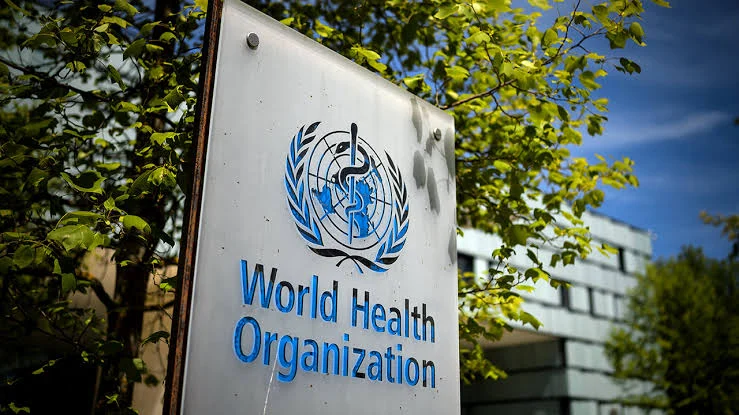
The World Health Organization (WHO) has recommended a broader range of safe and effective contraceptive options, including emergency contraception, longer-lasting implants and the development of new contraceptive methods for men.
The global health body said the move is aimed at giving people more informed choices about family planning and addressing persistent gaps in access to contraception.
According to WHO, an estimated 164 million women who want to delay or avoid pregnancy are currently not using contraception, highlighting the need for wider access to reliable family planning services.
In its new guideline on expanding contraceptive options, WHO recommends alternative ways of using some existing methods. These include allowing combined oral contraceptive pills to be taken continuously for up to one year or for extended periods of six months.
The organisation also supports the use of contraceptive implants for up to five years. The recommendation could help reduce the frequency of replacement procedures, clinic visits and related healthcare costs.
For emergency contraception, WHO has recommended mifepristone as an additional option that can be taken as soon as possible and within five days after unprotected sex.
The organisation said available evidence indicates that mifepristone, at doses ranging from 10 to 50 milligrams, is likely to be as safe and effective as other established emergency contraceptive methods.
WHO’s Director of the Department of Sexual, Reproductive, Maternal, Child and Adolescent Health and Ageing, Dr Pascale Allotey, said contraceptive care should not be approached as a one-size-fits-all intervention.
She said people should have the freedom to choose methods based on factors including convenience, invasiveness, behaviour, reliability and accessibility, while also being able to change or discontinue a method when necessary.
WHO, however, noted that more research is still required on some contraceptive methods, including the safety of ormeloxifene.
The organisation also advised against adding quinestrol-containing contraceptive pills to national family planning programmes, citing limited evidence and reports of serious adverse events associated with the method.
Beyond expanding options for women, WHO is also supporting the development of new contraceptive methods for men.
The organisation noted that men currently have relatively few contraceptive options under their direct control, principally condoms, withdrawal and vasectomy.
Despite the limited choices, WHO said about 30 per cent of couples globally rely on a male method of contraception, underlining the potential importance of expanding available options.
Research cited by the organisation also challenges assumptions about the acceptance of male contraception. More than 75 per cent of couples surveyed said they would consider male contraceptive methods, while more than 85 per cent of women surveyed said they would trust their male partners to take responsibility for contraception.
To encourage the development of new male contraceptives, WHO has created its first Target Product Profile, outlining key characteristics future methods should meet, including safety, effectiveness, acceptability and affordability.
Several hormonal and non-hormonal male contraceptive methods are currently under research, with some candidates already in advanced clinical trials.
WHO said it would continue supporting countries in updating their family planning policies and programmes in line with the latest scientific evidence and the expanding range of contraceptive options.