


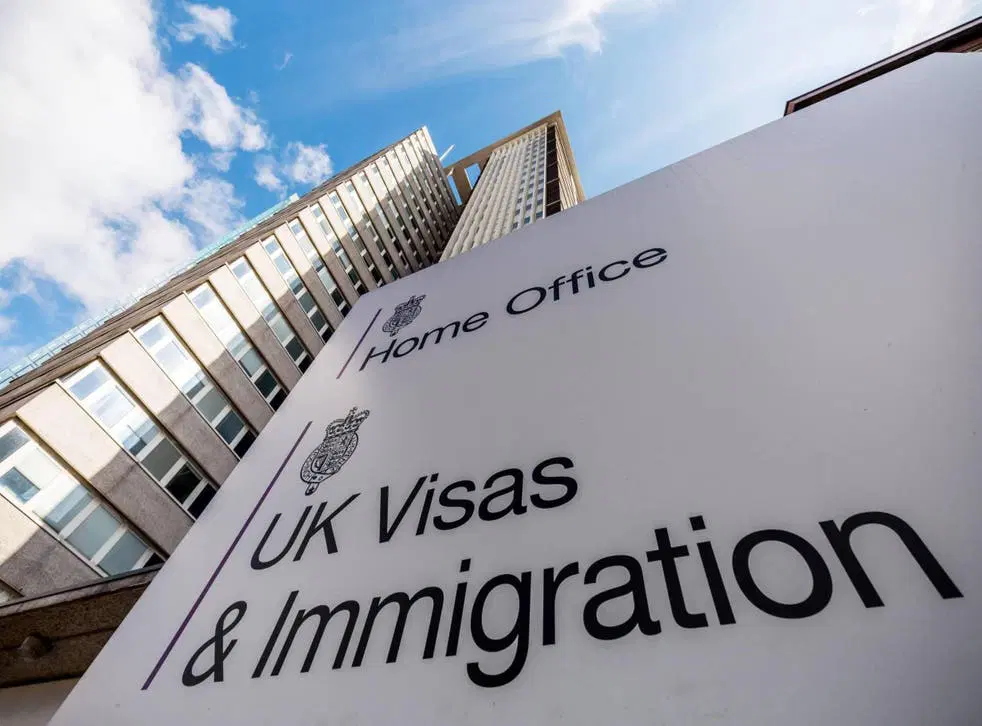
LONDON: The United Kingdom government is reviewing controversial plans that could increase the waiting period for eligible foreign migrants, including Nigerians, to obtain permanent residency from five years to as much as 10 years.
UK Home Secretary Shabana Mahmood has indicated that some aspects of the proposed immigration reforms could be changed following criticism from Labour lawmakers and trade unions.
Speaking at the Labour Party’s annual conference, Mahmood acknowledged concerns that parts of the proposed reforms could be considered unfair.
She said the government would seek a balance between the interests of migrants who entered the UK legally and those of British citizens.
Permanent residency, formally known as Indefinite Leave to Remain (ILR), allows eligible migrants to remain in the UK without a time limit and gives them the right to live, work and study in the country, subject to the applicable rules.
Under the proposed reforms, the standard qualifying period for most migrants could be extended from the current five years to 10 years.
The proposed changes could have a longer impact on some categories of migrants.
People who entered the UK through health and social care routes could potentially face a 15-year pathway to permanent residency, while migrants who have received benefits for more than 12 months could face a possible 20-year wait under the proposals.
However, the Home Office has stressed that the changes have not been finalised.
The proposed extension has attracted criticism, particularly because of its potential consequences for overseas workers in the UK’s health and social care sectors.
Housing Secretary Angela Rayner has previously criticised the proposals, accusing the government of changing the conditions after migrants had already made decisions based on the existing rules.
Trade unions have also raised concerns. Andrea Egan, general secretary of Unison, has argued that overseas care workers could be disproportionately affected by the proposed changes.
Mahmood, however, defended the principle behind the reforms, saying the government wanted permanent settlement to reflect a migrant’s sustained contribution and commitment to the country.
Addressing Labour delegates, Mahmood said immigration reform must take into account both migrants who legally entered the country and British citizens.
She said the government wanted a system that was fair to people seeking a better life in Britain while also protecting the interests of British workers and younger generations.
Mahmood also referred to her own family background when explaining the principle behind the reforms, saying the government must consider both those seeking a new life in Britain and people already living there.
She said the proposed changes were intended to ensure that settled status would be earned by people who had demonstrated a consistent commitment to the country.
The Conservative Party has criticised the apparent review of the proposals.
A Conservative spokesperson accused Mahmood of giving in to pressure from Labour figures opposed to the reforms and argued that abandoning or significantly weakening the plans would undermine efforts to reform indefinite leave to remain.
The Conservatives also raised concerns about the potential cost of migration to British taxpayers.
Those comments form part of the wider political dispute surrounding the proposed immigration changes, which remain subject to government review
Despite the latest comments from Mahmood, the proposed 10-year, 15-year and 20-year settlement periods have not been formally cancelled.
The UK government is still considering feedback received during the consultation process and could modify some elements before introducing final immigration rules.
For Nigerians and other foreign nationals living and working in the UK, the distinction is important.
The proposed changes could significantly alter the route to permanent residency if implemented, but the existing rules should not be confused with proposals that are still being considered.
The final position will depend on the outcome of the government’s review and any subsequent changes to UK immigration rules.