


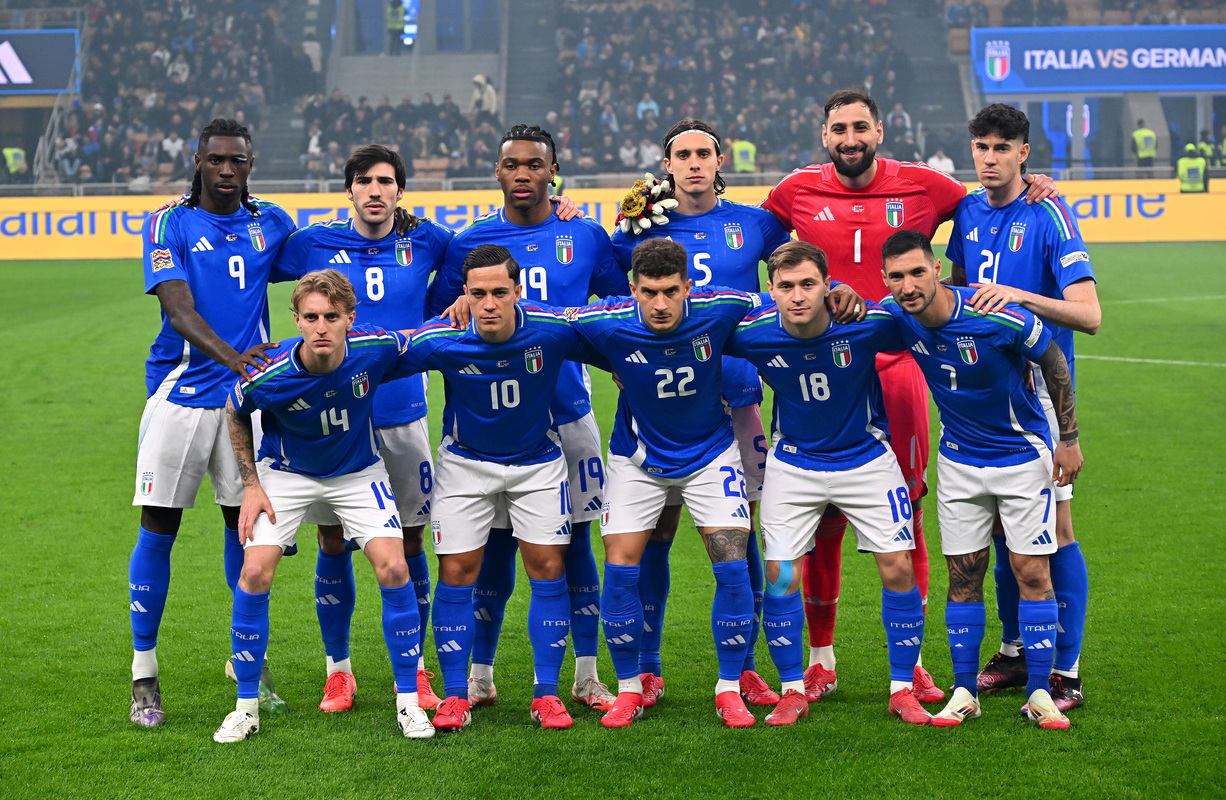
A controversial proposal has emerged ahead of the 2026 FIFA World Cup, with an envoy linked to former United States President Donald Trump suggesting that Italy national football team be drafted in to replace Iran national football team.
The proposal was put forward by Paolo Zampolli, who in an interview described it as a dream to see Italy feature at the tournament, which will be jointly hosted by the United States, Mexico, and Canada.
Zampolli said he had raised the idea with both Trump and FIFA President Gianni Infantino, arguing that Italy’s pedigree as four-time world champions justifies their inclusion, despite failing to qualify through the official process.
Italy’s absence from the tournament follows a penalty shootout defeat to Bosnia and Herzegovina in a qualification playoff, marking their third consecutive failure to reach the World Cup—an unprecedented slump for one of football’s most decorated nations.
The suggestion is reportedly linked to wider diplomatic considerations, including efforts to mend relations between Trump and Italian Prime Minister Giorgia Meloni, following tensions over international political issues.
Meanwhile, Iran’s participation has come under scrutiny due to ongoing geopolitical tensions involving the United States and its allies. The Iranian Football Federation had earlier indicated it was in discussions with FIFA over the possibility of relocating its matches away from U.S. soil.
However, FIFA has maintained a firm stance on the issue. Infantino recently reiterated that Iran will participate in the tournament in line with the official draw, dismissing any speculation about replacement.
The development has sparked debate within the global football community, raising questions about the intersection of politics and sport, as well as the integrity of qualification systems.
With preparations for the 2026 tournament underway, FIFA’s position suggests that sporting merit will remain the determining factor for participation, despite external pressures.
Observers say any deviation from established qualification rules could set a controversial precedent in international football.