


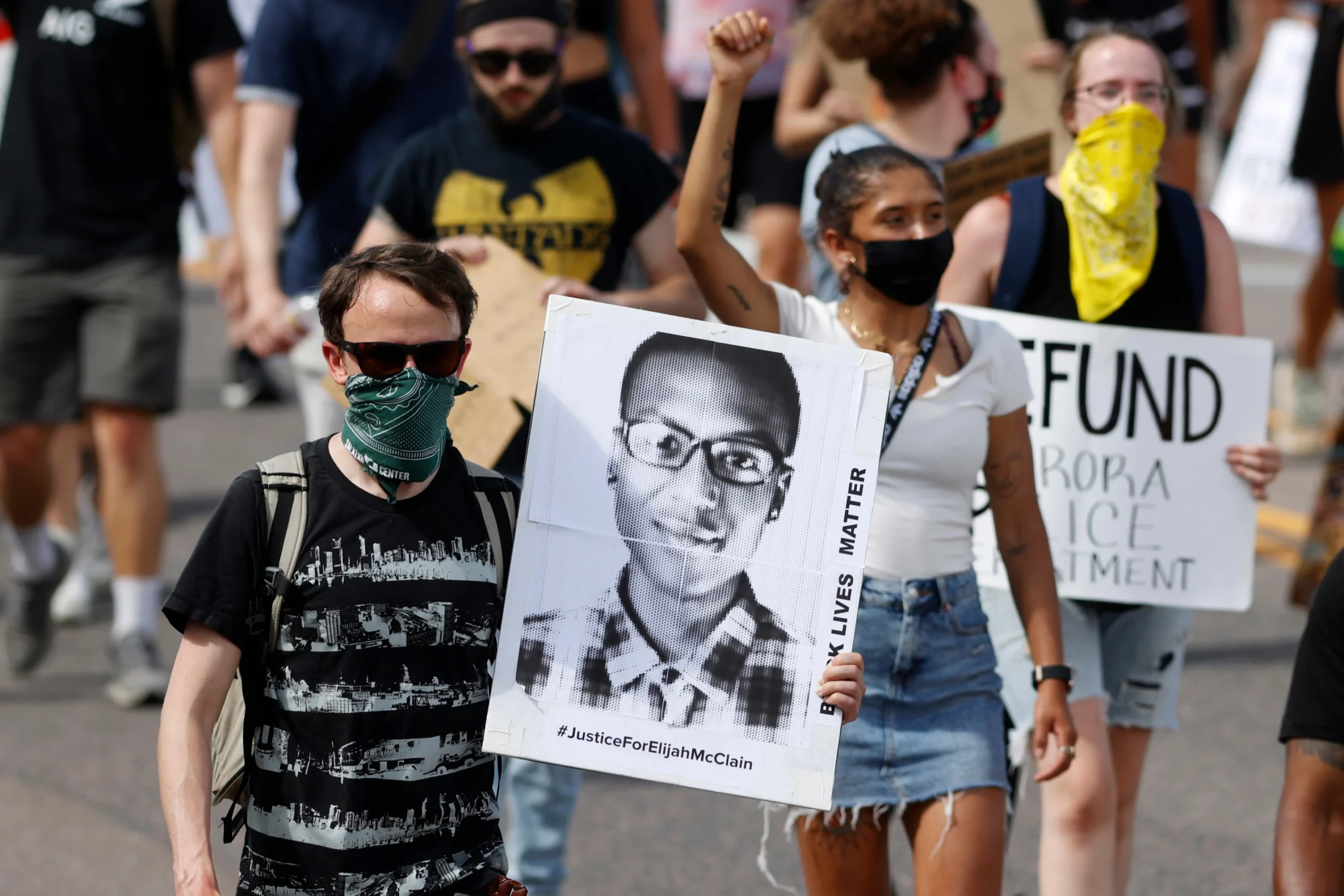
A Colorado appeals court has overturned the homicide convictions of two paramedics found guilty in the 2019 death of Elijah McClain, ordering new trials in a case that became a symbol of racial justice protests across the United States.
The ruling, delivered on Thursday, reversed the criminally negligent homicide convictions of former Aurora Fire Rescue paramedics Jeremy Cooper and Peter Cichuniec, who administered ketamine to McClain during a police encounter in 2019.
McClain, a 23-year-old massage therapist, died after being forcibly restrained by police officers responding to a report of a suspicious person in Aurora. During the incident, officers placed him in a neck hold before paramedics injected him with ketamine, a powerful sedative.
His final words, “I can’t breathe,” later became associated with wider calls for racial justice following the death of George Floyd in 2020.
The appeals court ruled that jurors in the original trial received faulty instructions regarding the criminally negligent homicide charges. As a result, the court ordered fresh trials for both paramedics on those counts.
However, the court upheld Cichuniec’s separate conviction for second-degree assault.
The case has drawn national attention because criminal prosecutions of paramedics and emergency medical personnel involved in police custody incidents are relatively rare in the United States.
In 2023, a jury convicted both men of criminally negligent homicide after prosecutors argued that the ketamine dose administered to McClain contributed significantly to his death. Cichuniec was sentenced to five years in prison, while Cooper received a jail sentence, probation, and work-release privileges.
Cichuniec was later released from prison in 2024 after a judge reduced his sentence, citing unusual and extenuating circumstances surrounding the decisions made at the scene.
Following Thursday’s ruling, the office of Phil Weiser announced plans to challenge the decision.
“Bringing these cases to trial was the right thing to do for justice, for Elijah McClain, and for healing in the Aurora community, Weiser said, adding that prosecutors would continue defending the convictions through the appeals process.
The controversy surrounding McClain’s death intensified after local prosecutors initially declined to file charges, citing inconclusive autopsy findings. However, nationwide protests following Floyd’s death prompted Jared Polis to order a new investigation.
A grand jury later indicted the paramedics and three police officers after a forensic pathologist revised his findings and linked McClain’s death to the ketamine administered during the encounter.
The city of Aurora previously agreed to pay $15 million to settle a federal civil rights lawsuit brought by McClain’s family.
The case also reignited debate over the controversial diagnosis known as “excited delirium,” which was used to justify the ketamine injection. Medical experts and civil rights advocates have questioned the scientific validity of the condition, and Colorado authorities have since instructed paramedics to stop using it as a basis for administering ketamine.
The latest ruling is expected to renew national discussions about police accountability, emergency medical decision-making, and the legal responsibilities of first responders during high-risk encounters.
As the case heads back to court, it remains one of the most closely watched incidents in the ongoing debate over policing, racial justice, and accountability in America.