


ABUJA: Nigeria’s political class has repeatedly faced criticism over transparency, accountability and its tendency to dismiss uncomfortable questions. Under President Bola Ahmed Tinubu, renewed public debate over his health and extended stay in Europe has raised questions about how the Presidency communicates with Nigerians.
Tinubu travelled to Europe on August 30, 2026, for what the Presidency described as a working vacation. He returned to Nigeria on September 29 after spending approximately four weeks abroad.
The length of his stay prompted speculation about his health, with some Nigerians questioning whether he had travelled to France for medical treatment. However, there is no verified evidence establishing that he was ill or that the trip was for medical reasons.
Upon his return, Tinubu assured Nigerians that he was healthy and ready to resume his duties.
While the president’s medical privacy deserves respect, Nigerians also have a legitimate interest in knowing that their leader is capable of performing his constitutional responsibilities.
The controversy highlights the need for clearer communication from Aso Rock. When a president spends an extended period abroad, the government should provide timely information about official engagements and how national responsibilities are being handled.
Questions about the president’s health should not automatically be dismissed as political attacks. Equally, speculation should not be presented as established fact.
If the Presidency wants to build public confidence, it must prioritise credible information over defensive statements and political arguments.
The debate comes amid continuing concerns about hunger, rising living costs and insecurity.
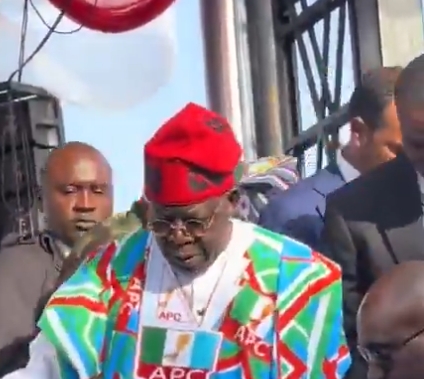
At the APC presidential campaign launch in Kaduna on October 24, Tinubu blamed opposition politicians for hunger and poverty, insisting that his administration was working to address the problems. Former Vice President Atiku Abubakar rejected the claim, accusing the president of avoiding responsibility for the country’s economic difficulties.
This exchange reflects a broader problem in Nigerian politics: competing political narratives often overshadow the questions citizens want answered about their daily lives.
Nigerians deserve clear explanations about economic policies, public spending, security and the results government programmes are delivering.
The controversy surrounding Tinubu’s European trip does not prove that he was sick or that Aso Rock covered up a medical condition. However, it reinforces the importance of transparency when legitimate public questions arise.
Political leaders should not expect citizens to accept every official statement without scrutiny, just as critics should not turn unverified claims into facts.
Ultimately, leadership is measured not by political speeches or public relations, but by accountability, verifiable results and the confidence citizens have in their government. Nigerians deserve facts, not speculation—and transparency, not political defensiveness.


