

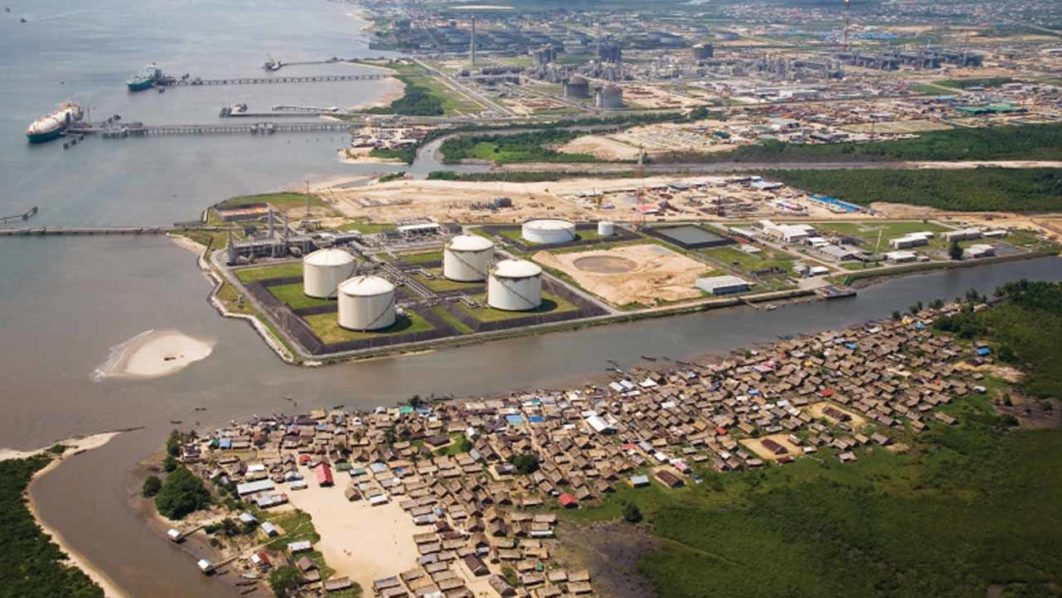
The proposed resumption of crude oil production in Ogoniland after more than three decades is facing fresh concerns, with the four local government areas that make up the Ogoni region calling for greater transparency and clarification from the Federal Government.
The concerns were raised by KAGOTE, the umbrella body representing Khana, Gokana, Tai and Eleme Local Government Areas, amid allegations that some oil-related activities may have commenced in parts of Ogoniland while consultations between the Federal Government and Ogoni stakeholders remain ongoing.
The group warned that proceeding without adequate consultation and clear communication could undermine confidence in the dialogue process and create fresh tensions in the oil-producing communities.
KAGOTE President, Chief Lesi Maol, raised the concerns during a press briefing in Port Harcourt, while commending President Bola Tinubu for what he described as efforts to address longstanding grievances in Ogoniland.
He particularly acknowledged the Federal Government’s establishment of the Ogoni Dialogue Committee (ODC) and its decision to place the coordination of the process under the National Security Adviser, Nuhu Ribadu, who is serving as the government’s chief negotiator.
According to Maol, the dialogue process provides an opportunity to rebuild trust, promote reconciliation and establish a sustainable framework for development and peaceful relations between the Federal Government and the Ogoni people.
However, he expressed concern over the actions of some individuals associated with the ODC, saying they could undermine the credibility of the process if not properly addressed.
“There is growing apprehension among sections of the Ogoni population that certain oil-related activities may have commenced in parts of Ogoniland while consultations between the federal government and Ogoni stakeholders remain ongoing,” Maol said.
He explained that the lack of authoritative information had made it difficult for community leaders to respond to growing concerns and speculation surrounding the proposed Ogoni oil resumption.
The KAGOTE president therefore urged the ODC leadership and the Federal Government to clearly communicate the current status of oil activities in Ogoniland.
He said such clarification would help prevent misinformation, speculation and unnecessary tension among residents and stakeholders.
Beyond the reported oil activities, KAGOTE also raised concerns about the process for selecting beneficiaries and distributing opportunities expected to arise from the proposed resumption of oil production.
Maol said stakeholders had not received sufficient information about the criteria for selecting participants, beneficiaries and other opportunities associated with the initiative.
He called for greater transparency to ensure that the anticipated economic benefits of oil production are distributed fairly across the four Ogoni local government areas.
The group also alleged that names of individuals who were not members of the Ogoni Dialogue Committee had been included in a harmonisation list, reportedly on the basis that the action was authorised by the National Security Adviser.
KAGOTE urged the ODC to independently nominate its negotiating representatives for engagements with the NSA, arguing that doing so would strengthen accountability and transparency.
Maol also appealed to the office of the National Security Adviser to investigate allegations that the name or authority of the NSA was being invoked by unauthorised individuals in relation to appointments, contracts or nominations connected with the Ogoni dialogue.
He said an investigation would help protect the integrity of the NSA’s office and reassure the Ogoni people that government authority was not being used to promote private or sectional interests.
The KAGOTE leadership also expressed concern over personal attacks, inflammatory remarks and other actions it said could deepen divisions among Ogoni stakeholders.
The organisation urged all parties to avoid actions capable of undermining the dialogue process, stressing that the proposed return of oil production should not become a trigger for renewed conflict.
The Federal Government inaugurated the Ogoni Dialogue Committee in January 2025 to engage stakeholders on the possibility of resuming oil production in Ogoniland while addressing longstanding environmental, economic, political and social concerns.
The process is particularly significant given the history of conflict surrounding oil exploration in the region and the long-running grievances of Ogoni communities.
KAGOTE maintained that the proposed resumption of oil production could provide an opportunity for economic development and improved relations, but warned that the process must be driven by consultation, transparency, equity and respect for the interests of host communities.
The group said resolving the issues it raised would be critical to maintaining confidence in the dialogue and ensuring that any eventual oil production resumption in Ogoniland contributes to peace and sustainable development rather than creating new disputes.