

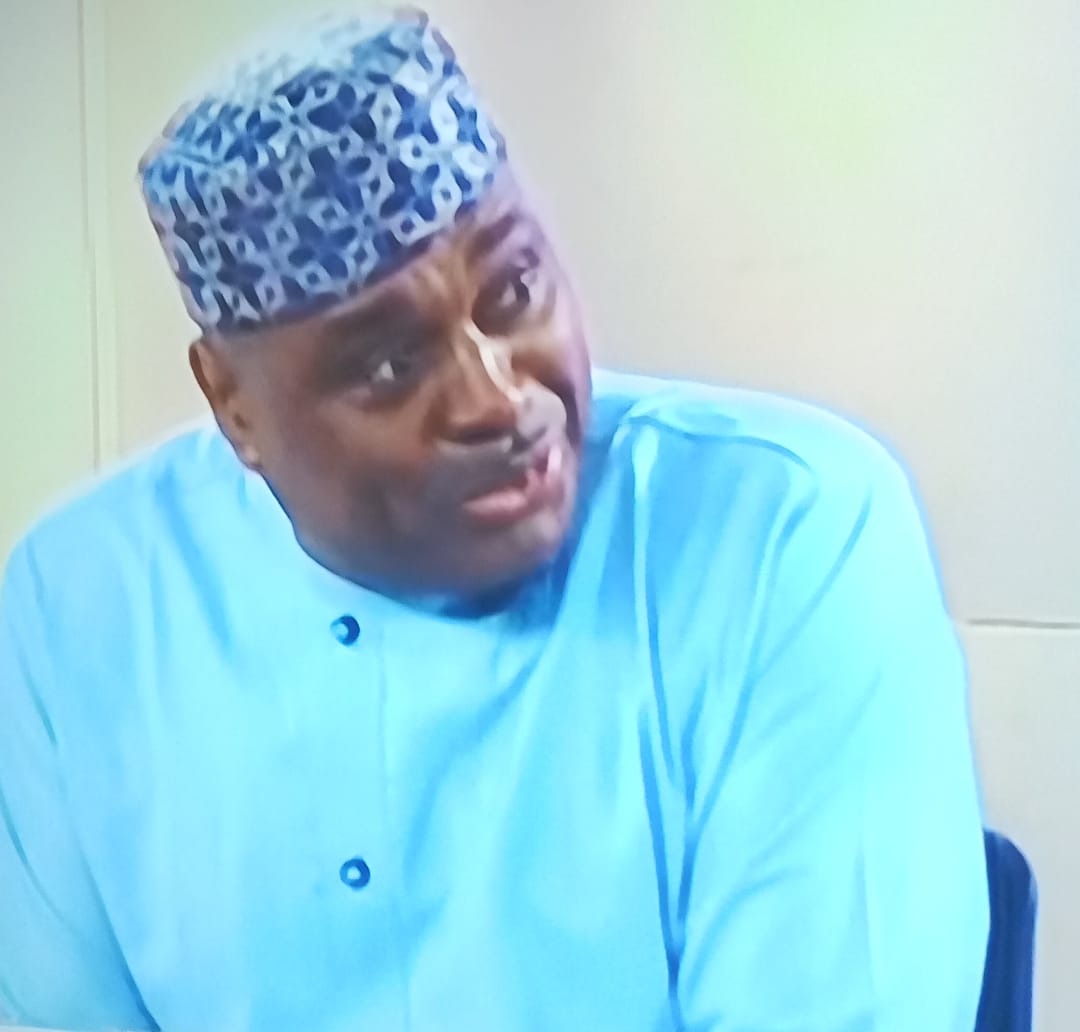
ABUJA: Former Labour Party spokesperson and Kenneth Okonkwo, spokesman for the 2027 presidential campaign of former Vice-President Atiku Abubakar, has defended Atiku’s proposal to restore petrol subsidy, insisting that the policy is designed to make fuel more affordable for Nigerians.
Okonkwo said Atiku’s proposal should not be confused with the subsidy regime operated by previous administrations, which he described as costly and vulnerable to manipulation.
Speaking on Channels Television’s Sunday Politics, Okonkwo said President Bola Tinubu misunderstood the former vice-president’s position on petrol subsidy.
Atiku, the presidential candidate of the African Democratic Congress, ADC, had recently said he would restore petrol subsidy if elected president in 2027. The declaration generated controversy, particularly because Atiku had supported the removal of fuel subsidy during the 2023 presidential campaign.
Atiku had also criticised the Tinubu administration over its handling of funds saved following the removal of the subsidy.
Tinubu subsequently described Atiku’s proposal as evidence of what he called “serious ignorance of governance and economy, arguing that the previous subsidy regime placed a significant financial burden on the country.
However, Okonkwo dismissed the criticism, saying Atiku was not proposing a return to the old system.
According to him, the primary objective of Atiku’s plan is to ensure that ordinary Nigerians can afford petrol. The whole idea of the Atiku plan is affordability of fuel to the ordinary Nigerian, Okonkwo said.
He further argued that it was incorrect for Tinubu to interpret Atiku’s proposal as a plan to revive the previous subsidy arrangement.
It is ignorance of Tinubu to say that Atiku wants to go back to the subsidy of the old,” he said.
Okonkwo explained that Atiku’s proposed Atiku Fuel Affordability Plan (AFAP) would be based on Nigeria’s growing domestic refining capacity.
He said the plan would involve making crude oil available to local refineries at affordable and competitive prices, thereby reducing the cost of producing petrol domestically.
According to him, lower production costs would ultimately translate into cheaper petrol for consumers.
He said Atiku had proposed supplying crude oil to domestic refineries at a price that would enable them to produce petroleum products at reduced costs.
He said, ‘I will supply the needed crude to our local refineries at a price that will be fair enough for them to use to produce the fuel at a reduced and affordable price to Nigerians,’” Okonkwo explained.
The former Labour Party spokesperson argued that Nigeria would not have needed the controversial petrol subsidy system if successive governments had invested adequately in domestic refining capacity.
Okonkwo said the previous subsidy structure became problematic because Nigeria depended heavily on imported petrol.
He recalled that the country once imported virtually all its petrol because domestic refineries were largely inactive.
This was the way the subsidy of the old operated. They were importing 100 per cent of the fuel. We didn’t have any refinery,” he said.
According to him, dependence on imported fuel created opportunities for manipulation of import volumes, prices and subsidy payments, with the financial burden ultimately falling on the Nigerian government.
He stressed, however, that Atiku’s proposal was fundamentally different from that arrangement.
Atiku is not going back to that and cannot even go back to that, Okonkwo insisted.
The debate over petrol subsidy remains one of the major economic and political issues ahead of Nigeria’s 2027 presidential election, with political parties offering competing proposals on how to reduce fuel prices while protecting government revenues and sustaining domestic refining.



[…] Atiku’s Fuel Subsidy Plan Will Make Petrol Affordable — Okonkwo […]