


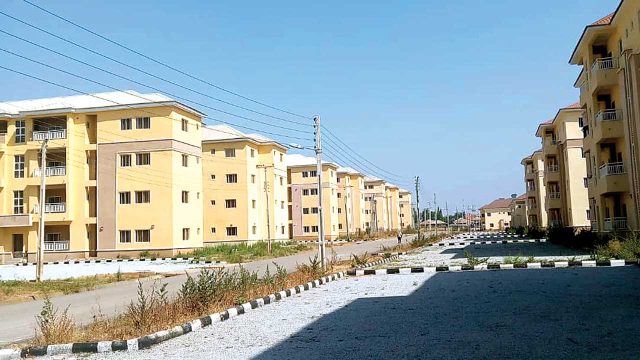
Nigeria’s worsening housing crisis is drawing attention to the largely untapped potential of Real Estate Investment Trusts (REITs) as a vehicle for mobilising long-term capital into the country’s housing sector.
With the nation’s housing deficit estimated at more than 20 million units and a financing gap put at over N50 trillion, industry experts say REITs could play a much greater role in bridging the funding shortfall and expanding access to affordable housing.
Despite their potential, listed REITs remain among the most underutilised investment instruments in Nigeria’s capital market. The sector has yet to attract the level of institutional and retail investment that could significantly transform housing development and property financing.
REITs allow investors to pool funds and invest in income-generating real estate without having to directly purchase or manage properties. Through this structure, large pools of capital from pension funds, insurance companies, institutional investors and individuals can be channelled into residential, commercial and other real estate projects.
The growing demand for housing, coupled with Nigeria’s rapid population growth and urbanisation, presents a significant opportunity for the REIT market.
Nigeria’s housing shortage has persisted for years, driven by limited access to affordable mortgage financing, high construction costs, rising land prices, inadequate infrastructure and weak purchasing power among many households.
The financing challenge remains particularly significant because traditional sources of housing finance have struggled to provide sufficient long-term capital at affordable rates.
Analysts believe a deeper and more efficient REIT market could provide an alternative source of funding while giving investors access to the potential returns generated by real estate assets.
The opportunity is also becoming more relevant as investors increasingly seek diversified assets capable of providing relatively stable income and long-term capital appreciation.
However, unlocking the full potential of REITs will require stronger investor awareness, improved market liquidity, greater transparency and regulatory policies that encourage the development of professionally managed real estate investment vehicles.
There is also a need to address the affordability challenge confronting the housing market. For REITs to make a meaningful contribution to Nigeria’s housing shortage, industry players may need to focus not only on high-end commercial properties but also on mass-market and affordable residential developments.
Greater participation by pension funds and other institutional investors could provide the long-term capital needed to support large-scale housing projects.
For Nigeria, the expansion of the REIT market could therefore offer a dual benefit: creating new investment opportunities while helping to address one of the country’s most pressing socioeconomic challenges.
With a housing deficit running into millions of units and a financing gap exceeding N50 trillion, the opportunity for REITs extends beyond the capital market. It could become an important component of a broader strategy to mobilize private capital, increase housing supply and make home ownership more attainable for millions of Nigerians.
The challenge, however, is converting the considerable potential of the REIT market into actual investment and housing delivery.
This will depend on sustained regulatory support, investor confidence and the ability of developers and fund managers to structure products that meet both market demand and investors’ expectations.