


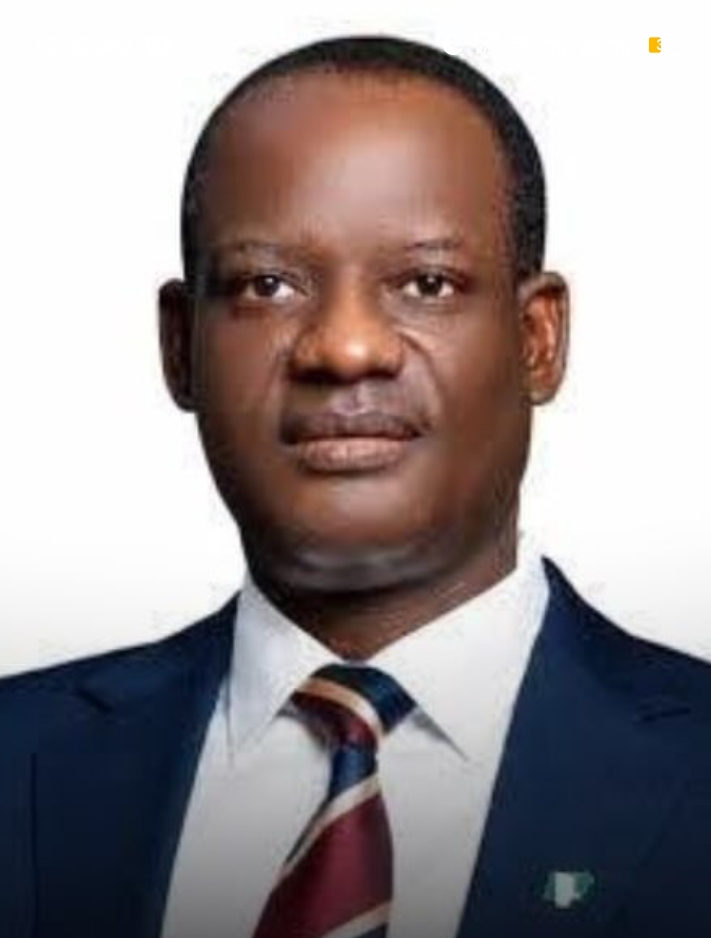
ABUJA: Nigeria’s Minister of Finance and Coordinating Minister of the Economy, Taiwo Oyedele, has said the Federal Government will introduce fuel taxes only when the economy stabilises and Nigerians’ incomes can accommodate the additional financial burden.
Oyedele disclosed this during an interview with ARISE News on the sidelines of the 2026 IMF and World Bank Annual Meetings in Bangkok, Thailand. He explained that the government would prioritise consolidating its economic reforms, restoring growth and improving household incomes before implementing the proposed levies.
According to the minister, introducing additional fuel taxes immediately after the removal of the petrol subsidy would have worsened the economic hardship faced by Nigerians.
“You remove subsidy, you can’t immediately impose taxes. That would be insensitive. You push the people to the wall,” he said.
Oyedele noted that fuel taxes account for between 20 and 80 per cent of petroleum prices in some countries, while several African nations impose multiple levies on petroleum products.
He explained that the proposed taxes would be designed to generate revenue for critical infrastructure projects, strengthen the country’s fuel reserves and help the government manage future disruptions in fuel supply.
“Not because we want to impose taxes, it will be because those amounts of taxes will be dedicated into road infrastructure, they’ll be dedicated into building our fuel reserve, that can help us moderate prices of fuel products, if anything happens,” he explained.
The minister added that the proposed framework could also give the government the flexibility to temporarily reduce or suspend the levies when necessary to protect consumers from sudden market shocks.
Oyedele pointed out that more than 50 countries had reduced fuel taxes at different times to cushion the effects of rising energy costs. However, he argued that Nigeria had previously lacked a similar tax structure that could be adjusted to provide relief during periods of economic pressure.
This is what more than 50 countries around the world, they were reducing the taxes, but we had no taxes, there was nothing to reduce, he added.
He also stressed that the proposed fuel taxes would not be introduced secretly, explaining that the process would require an official order published in the government gazette by the finance minister.
There has to be an order published in the gazette by the finance minister, which means we can’t do it in secret, he said.
Oyedele maintained that the government would only proceed with the proposed levies when economic conditions had improved sufficiently, and Nigerians could better understand the rationale behind the policy and the benefits expected from the revenue generated.
His remarks suggest that the timing of the proposed fuel taxes would depend on the government’s assessment of economic stability, household purchasing power and the country’s readiness to absorb additional costs.
For millions of Nigerians already grappling with high petrol prices and the rising cost of living, the government’s position offers a conditional assurance that the proposed levies will not be introduced until the economy is considered capable of accommodating them.


