


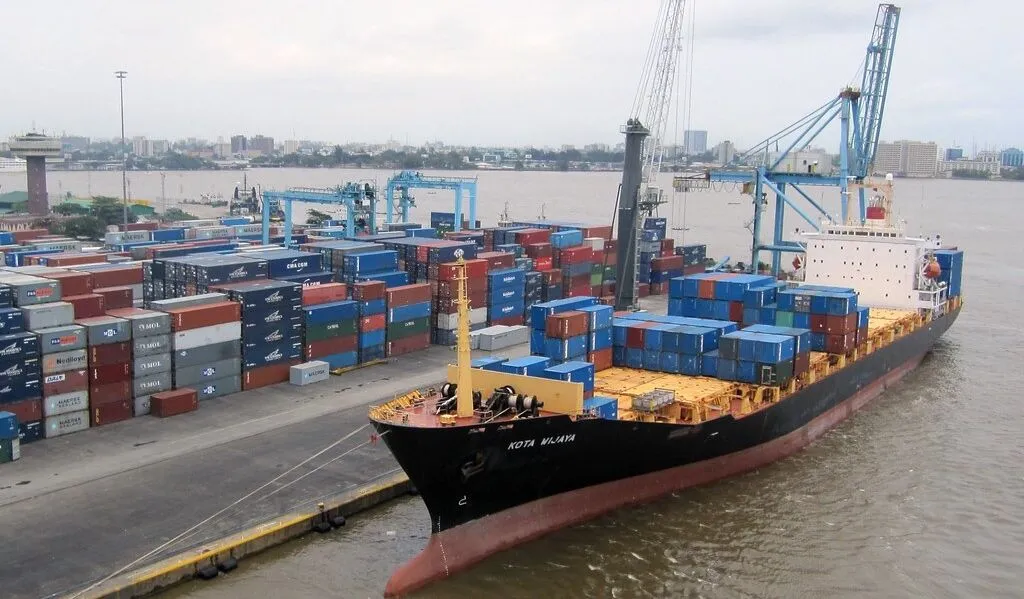
The Federal Government has commenced a £746 million (approximately ₦1.45 trillion) modernisation project at Apapa and Tin Can Island ports in Lagos, with the initiative expected to generate 20,000 direct and indirect jobs.
The project, flagged off on Wednesday, November 25, 2026, is designed to improve port operations, reduce cargo delays and bring down clearance time to 48 hours.
Performing the groundbreaking ceremony at Tin Can Island Port, the Minister of Marine and Blue Economy, Dr Adegboyega Oyetola, said the upgrade had become necessary as the volume of cargo passing through Nigerian ports continued to increase beyond the capacity of existing facilities.
Oyetola explained that Nigeria’s cargo throughput had grown from 8.11 million metric tonnes in 1977 to 129.3 million metric tonnes, while annual merchandise trade had increased from $17 billion to more than $100 billion.
He said the scale of growth had placed considerable pressure on port infrastructure, making major investments necessary to improve efficiency and accommodate future demand.
The minister listed the key components of the project to include the rehabilitation of quay walls and berths, dredging of navigation channels, improvement of access facilities and installation of modern cargo-handling equipment.
According to him, the improvements are expected to make cargo movement faster, reduce congestion and strengthen Nigeria’s position in international shipping and trade.
One of the major problems facing Nigerian ports is the length of time goods remain at the terminals before they are cleared.
Oyetola said cargo dwell time in Nigeria had historically ranged between 10 and 18 days, compared with three to five days in leading international ports.
He noted that these delays cost the Nigerian economy an estimated $4 billion annually, making port efficiency a major concern for businesses and the wider economy.
The minister expressed confidence that the modernisation would attract more international shipping companies, encourage Nigerian-bound cargo to remain within the country’s ports and create opportunities for transshipment activities.
The government is also expecting the project to reduce logistics costs and improve the competitiveness of Nigerian businesses in the global market
The Minister of Finance and Coordinating Minister of the Economy, Taiwo Oyedele, described the financing arrangement as Nigeria’s largest sovereign export credit transaction since 2009.
He said the deal demonstrated growing international investor confidence in the country’s economic reforms and efforts to address infrastructure challenges.
Oyedele added that investments in critical infrastructure, particularly the maritime sector, were important to expanding trade and supporting economic growth.
Meanwhile, the Managing Director of the Nigerian Ports Authority (NPA), Dr Abubakar Dantsoho, assured that the project would be executed in accordance with approved designs, engineering standards and contractual timelines.
Apapa and Tin Can Island ports are among Nigeria’s major gateways for international trade, handling significant volumes of imported and exported goods.
The modernisation is expected to improve their capacity, create employment opportunities and support businesses operating across the shipping, transportation, construction and logistics industries.
Beyond the projected 20,000 jobs, the success of the project will be measured by how effectively it reduces cargo delays, lowers the cost of doing business and improves the overall experience of importers and exporters.
For Nigeria’s maritime industry, the proposed 48-hour cargo clearance target represents one of the key expectations from the m