


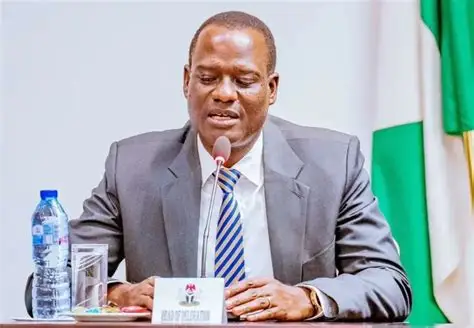
ABUJA: The Nigeria Customs Service is on course to achieve its N11 trillion revenue target for 2026, Finance and Coordinating Minister of the Economy, Taiwo Oyedele, has said.
Oyedele made the assessment during his inaugural meeting with the Nigeria Customs Service Board and a tour of the service’s facilities at its headquarters in Abuja.
According to a statement issued by NCS spokesperson, Abdullahi Maiwada, the service generated N4.03 trillion in revenue during the first half of 2026.
The Customs Service subsequently generated another N1.38 trillion in July and August, further strengthening its prospects of meeting the annual revenue target.
Oyedele attributed the improved performance to ongoing reforms, particularly the deployment of technology, automation and intelligence-led strategies to strengthen revenue collection and improve trade facilitation.
The minister commended the NCS leadership and officers for their efforts to modernise the service and improve the efficiency of its operations.
He said the progress recorded so far should encourage the agency to set higher standards for port operations, cargo clearance, transparency and revenue integrity.
Results are precisely what should propel us to do more,” Oyedele said.
According to him, Nigeria has an opportunity to use the gains recorded by the Customs Service as a foundation for achieving world-class standards in trade and port operations.
Nigeria must lead through performance, not rhetoric,” the minister added.
Oyedele also reaffirmed the Federal Government’s support for the NCS, saying the government would continue to provide the service with advanced technology, modern operational tools and appropriate policy support.
He noted that improved cargo processing and greater transparency would not only boost government revenue but also strengthen Nigeria’s competitiveness in regional and international trade.
The minister’s comments come as the Customs Service faces the dual challenge of increasing revenue while ensuring that importers and exporters experience faster and more efficient cargo clearance.
The service has increasingly relied on automation and intelligence-driven operations to reduce inefficiencies, improve compliance and strengthen revenue collection across Nigeria’s ports and borders.
Oyedele, who chairs the NCS Board, praised the leadership of the service for building what he described as a strong foundation for further reforms.
He said the objective should go beyond meeting revenue targets to creating a Customs administration capable of supporting economic growth and facilitating legitimate trade.
Meanwhile, the NCS Board approved the appointment of one Deputy Comptroller-General and five Assistant Comptrollers-General at its 65th Regular Meeting held on September 2.
The appointments are expected to support the service’s ongoing operational and administrative reforms.
With N5.41 trillion already generated between January and August, the Customs Service needs to sustain its current revenue momentum to meet the N11 trillion target by the end of the year.
The Federal Government is expected to continue backing the service with technology, operational resources and policy reforms as Customs works to improve revenue collection and cargo clearance.


