


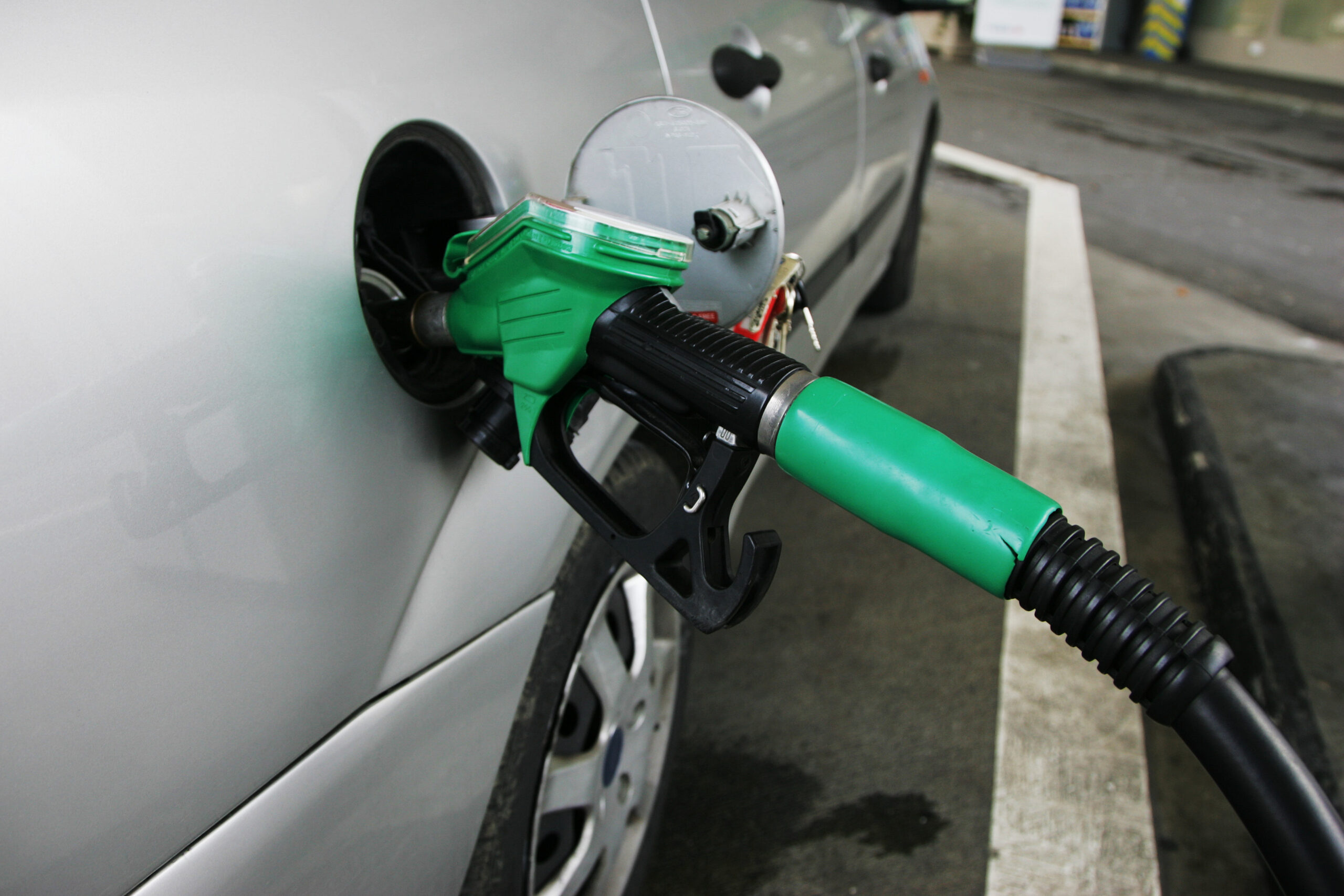
Nigeria’s petroleum market is facing fresh pressure after international crude oil prices climbed above $100 per barrel, with oil marketers warning that pump prices could rise further following their next purchases.
The development has raised concerns about another increase in the cost of petrol and other petroleum products, as experts urged the Federal Government to take urgent measures to cushion the effect of rising energy costs on households and businesses.
The latest surge in crude prices was linked to escalating tensions in the Middle East and growing fears of disruptions to global oil supplies.
The OPEC Basket, which includes Nigeria’s Bonny Light, rose above $100 per barrel from more than $95, representing an increase of about 5.2 per cent.
Brent crude also climbed to $100.60 per barrel, representing a 2.77 per cent increase from $97, while Murban crude rose by 6.83 per cent to $118.30 per barrel, according to data cited in the report.
The sharp movement in international crude prices has heightened concerns that the increase could eventually filter into Nigeria’s domestic petroleum market, with implications for transportation, logistics, manufacturing and household expenses.
While several oil industry operators declined to comment on the development, the Lagos State Chairman of the Petroleum Products Retail Outlets Owners Association of Nigeria, PETROAN, Joseph Ehimen, confirmed that marketers were likely to review their prices.
“Certainly, we are going to adjust the pump prices after our next purchases. It will be based on market forces, factoring in all cost elements, including logistics to filling stations,” Ehimen said.
The rise in crude prices presents a potential financial opportunity for Nigeria because higher oil prices could increase government revenues and foreign-exchange inflows.
However, the country’s declining crude production could limit the extent to which it benefits from the international price surge.
The latest OPEC Monthly Oil Market Report showed that Nigeria’s crude production, excluding condensates, fell to 1.44 million barrels per day in July 2026, compared with 1.51 million barrels per day in June.
July’s production was also about 60,000 barrels per day below Nigeria’s implied production target of 1.50 million barrels per day.
The production shortfall means Nigeria may not be able to fully take advantage of the foreign-exchange windfall associated with higher crude prices.
Although stronger oil prices can boost export earnings, the size of the benefit depends heavily on the volume of crude available for export after domestic requirements and other obligations are taken into account.
Economist and communications expert Clifford Egbomeade warned that the immediate impact of the crude-price surge could be felt across several sectors of the Nigerian economy.
According to him, higher crude prices could trigger a cost shock by pushing up the prices of diesel, transportation, freight and other energy-intensive inputs.
“The immediate effect on Nigeria is a cost shock. Higher crude prices will raise the cost of diesel, transport, freight and other energy-intensive inputs, putting pressure on business margins and household incomes,” Egbomeade said.
He noted that Nigeria could benefit from higher export earnings, but only if the additional oil revenue is properly managed and crude production is sustained.
Egbomeade also warned that the duration of the global oil shock would be critical.
With inflation still putting pressure on households and food prices remaining a concern, he said a prolonged disruption to global oil supplies could result in higher transportation and logistics costs and further increases in the prices of goods and services.
Egbomeade advised the Federal Government against responding to the latest oil-price increase by returning to a broad petrol subsidy regime.
He argued that the government should instead capture the additional oil revenue, reduce wasteful spending, strengthen foreign-exchange liquidity and ensure that domestic crude supply arrangements function efficiently.
He also stressed the need for Dangote Refinery and other operating refineries to have access to Nigerian crude on commercially viable terms.
Former Managing Director and Chief Executive Officer of 11 Plc, Adetunji Oyebanji, said the government should focus on reducing the broader cost of living rather than returning to fuel subsidies.
Oyebanji noted that because Nigeria operates a deregulated petroleum market, changes in international crude prices would affect fuel prices domestically and in other countries.
He suggested that government could consider supporting public transportation systems such as Bus Rapid Transit, while also reducing the cost of essential public services such as government hospitals and schools.
According to him, governments at both the federal and sub-national levels should be held accountable for ensuring that increased revenues translate into tangible benefits for Nigerians.
He also called for a reduction in government rents and other costs that ultimately increase the financial burden on citizens.
President of the Association of Small Business Owners of Nigeria, Dr Femi Egbesola, described the rise in crude prices as a mixed blessing for the country.
He said higher crude prices could improve government oil revenues and foreign-exchange inflows, but warned that the global energy shock could simultaneously increase transportation, logistics, production and operating costs.
The resulting pressure, he said, could reduce household purchasing power and make it more difficult for businesses to operate.
Egbesola warned that micro, small and medium-sized enterprises could be particularly vulnerable because many already face high energy and financing costs.
He said Nigerians could see increases in transport fares, food distribution costs, manufacturing expenses and other prices if the oil-price shock persists.
Egbesola called on the Federal Government to use any additional oil revenue to strengthen the economy and provide relief for Nigerians.
He advocated stable domestic fuel supplies, faster development of local refining capacity and a reduction in unnecessary taxes and levies imposed on productive businesses.
He also urged the government to invest additional oil revenues transparently in infrastructure and energy while providing targeted support to vulnerable households and MSMEs.
Despite the surge in international crude prices, petrol prices in Lagos remained largely within the N1,266 to N1,300 per litre range at mid-day, according to the market data contained in the report.
Dangote Refinery retained its depot price at N1,266 per litre, while MRS was at N1,267 and NIPCO at N1,280.
Some other depots recorded increases.
A.A. Rano rose by N2 to N1,272 per litre, while Aiteo increased by N5 to N1,275. ASCON and Integrated rose by N10 each to N1,280.
Bono recorded the largest increase among the listed depots, rising by N30 to N1,300 per litre, while Pinnacle increased by N7 to N1,273.
The relatively limited movement suggests that the latest increase in international crude prices has not yet been fully transmitted to the domestic petrol market.
However, if crude prices remain elevated for an extended period, refinery feedstock, product replacement, freight and other supply-chain costs could come under additional pressure.
The National President of the Oil and Gas Services Providers Association of Nigeria, Mazi Colman Obasi, urged the Federal Government to act quickly before rising international crude prices trigger another significant increase in the cost of living.
Obasi said government intervention should protect vulnerable Nigerians without recreating the inefficiencies associated with the former fuel subsidy system.
He called for stronger domestic refining capacity, adequate crude supplies for Nigerian refineries and improved distribution infrastructure to reduce costs across the supply chain.
He also advocated targeted assistance for vulnerable households and critical sectors exposed to rising fuel and transportation costs.
According to him, increased investment in public transportation, gas and alternative energy sources would also help reduce Nigeria’s dependence on petrol.
Managing Director of Highcap Securities, David Adonri, warned that higher crude oil prices would worsen inflation through several channels.
Adonri said Nigeria was facing the challenge of mitigating the immediate impact of the oil-price shock while also pursuing sustainable long-term economic development.
He noted that the government’s difficult financial position could limit its ability to absorb the additional costs or provide broad relief to consumers.
According to him, some of the immediate burden could therefore be transferred to households.
However, Adonri argued that the government could use the additional oil revenue strategically by investing the windfall in financial assets and deploying the returns to finance productive infrastructure.
He said such an approach could support job creation and poverty reduction over the longer term.
The latest movement in global oil prices presents Nigeria with a difficult economic balance.
On one hand, higher crude prices could increase government revenue and foreign-exchange earnings. On the other hand, the same development could raise the cost of fuel, transportation, logistics, production and other essential economic activities.
With Nigeria’s crude production currently below the reported target, the country may also face challenges in maximizing the revenue opportunity created by the international price rally.
Experts are therefore calling for policies that will strengthen local refining, improve domestic crude supply, protect vulnerable Nigerians and ensure that any additional oil revenue is channelled into productive investments.
For consumers, the immediate situation remains relatively stable in the Lagos petrol market, but marketers’ warning that prices could be adjusted after their next purchases means further increases remain a possibility if international crude prices stay above the $100-per-barrel level.


