


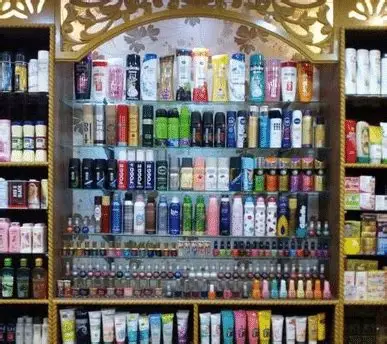
LAGOS: Nigeria is stepping up efforts to strengthen its domestic cosmetics industry following a $1.1 billion annual import bill, with policymakers and industry stakeholders pushing for increased local production, value addition and innovation to reduce dependence on imported beauty and personal care products.
The initiative is part of a broader industrial strategy aimed at retaining more economic value within the country, creating jobs and building globally competitive manufacturing capabilities that cater to Nigeria’s growing consumer market.
With cosmetics imports exceeding $1.1 billion, the Federal Government is promoting policies that encourage manufacturers to process more raw materials locally rather than relying heavily on imported finished products.
At the centre of the initiative is a proposed 30 per cent value-addition framework, which would require greater local processing of raw materials before products reach the market.
The policy is expected to stimulate domestic manufacturing, reduce foreign exchange pressure and strengthen Nigeria’s industrial base.
The Raw Materials Research and Development Council (RMRDC) is spearheading efforts to transform the country’s cosmetics manufacturing sector through a comprehensive industrial development programme.
The council has developed a 10-year roadmap aimed at increasing local value addition to as much as 95 per cent across multiple sectors by 2034.
The strategy focuses on improving the utilisation of locally available raw materials while reducing Nigeria’s dependence on imported inputs.
According to industry stakeholders, strengthening local manufacturing will help position Nigeria as a competitive player in Africa’s fast-growing beauty and personal care market.
Experts believe Nigeria’s cosmetics industry has significant growth potential, particularly in developing skincare products specifically formulated for tropical climates and the needs of African consumers.
Many products currently available in the local market are imported and designed primarily for temperate regions, creating opportunities for Nigerian manufacturers to produce climate-specific beauty and skincare solutions.
Industry analysts say locally tailored formulations could improve product performance while giving domestic manufacturers a competitive advantage both within Nigeria and across African markets.
To accelerate industry growth, policymakers are encouraging stronger collaboration between research institutions, manufacturers and private-sector investors.
The strategy includes expanding research and development partnerships, supporting innovation challenges and scaling the commercial production of locally developed cosmetic formulations.
These initiatives are expected to encourage product innovation while helping Nigerian companies meet international manufacturing and quality standards.
Government officials view the cosmetics sector as an important contributor to economic diversification and industrialisation.
Increasing domestic production is expected to generate employment opportunities across manufacturing, agriculture, logistics, research and retail while reducing the country’s dependence on imported beauty products.
Local processing of raw materials will also help retain more value within Nigeria’s economy, strengthen supply chains and reduce pressure on foreign exchange reserves.
The renewed focus on local cosmetics manufacturing aligns with Nigeria’s broader industrialisation agenda and efforts to expand non-oil manufacturing.
As Africa’s largest consumer market, Nigeria offers significant opportunities for domestic producers to serve not only local demand but also export to neighbouring countries under the African Continental Free Trade Area (AfCFTA) framework.
Industry stakeholders believe that with sustained investment, supportive government policies and innovation-driven manufacturing, Nigeria can emerge as one of Africa’s leading producers of cosmetics and personal care products.
The push for greater local production is expected to reduce import dependence, enhance value addition, stimulate economic growth and establish a globally competitive cosmetics industry capable of meeting the evolving needs of Nigerian and African consumers