


A Nigerian man’s fight for asylum in the United States has reached the country’s highest court after immigration authorities rejected his application over his alleged work as a cook for the separatist-linked group known as the Unknown Gunmen.
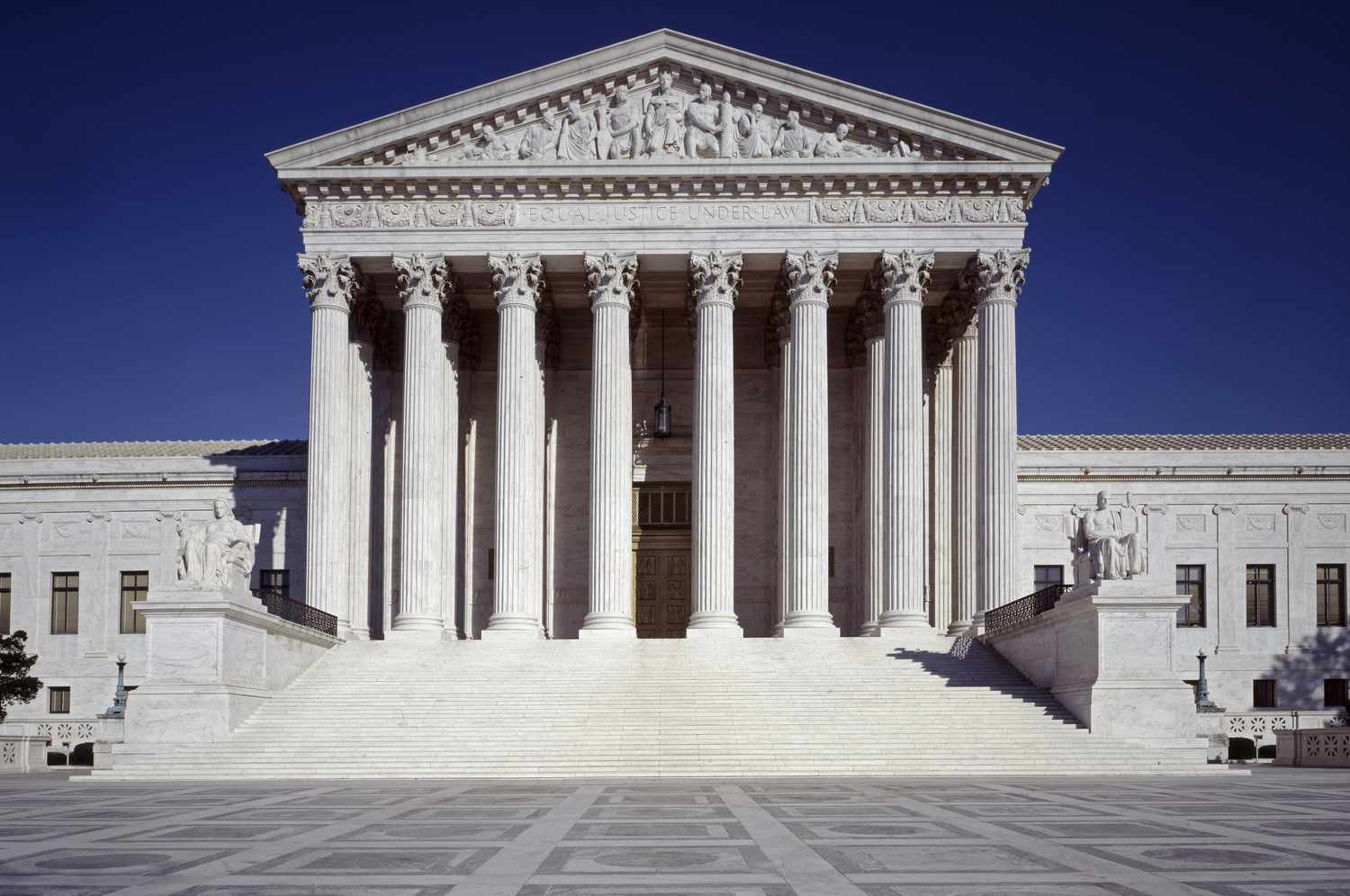
The US Supreme Court on Tuesday agreed to hear the case involving Izuchukwu Ozurumba, whose lawyers argue that he was held against his will and forced to prepare meals for the group.
The case has drawn attention to the interpretation of US immigration law, particularly whether providing food to members of an organisation considered terrorist-related amounts to material support for terrorism, even when the person providing the service claims to have acted under coercion.
The administration of President Donald Trump is challenging a lower court ruling that favoured Ozurumba. The Supreme Court is expected to hear arguments and issue a decision by the end of June.
According to court documents, Ozurumba travelled by van to a remote camp outside Lagos in 2022 after receiving information about a job opportunity.
He reportedly accepted the work before discovering that the camp was operated by the Unknown Gunmen, a group described in court proceedings as likely associated with Nigerian separatists.
His lawyers said he later observed that the movements of young men leaving the camp appeared to coincide with news reports of killings and arson.
Concerned about the activities, Ozurumba allegedly tried to leave but was prevented from doing so. His lawyers said he was forced to remain at the camp and worked without pay.
After about six months, he reportedly escaped while accompanying others on a trip to obtain supplies and eventually returned to Lagos.
His lawyers further alleged that he was beaten and threatened with death, prompting him to flee to Venezuela. They said the threats continued there before he travelled to the southern US border.
Ozurumba entered the United States illegally in July 2023 and subsequently applied for asylum and other forms of protection against deportation.
During the administration of former President Joe Biden, an immigration judge deemed the Unknown Gunmen a terrorist organisation for the purpose of the proceedings and ruled that Ozurumba’s cooking made him inadmissible under US immigration law.
The judge reasoned that preparing food helped the group meet its basic needs and supported its ability to function.
The ruling also held that the alleged coercion did not change the outcome under the applicable legal provisions.
Consequently, Ozurumba was denied asylum and other protections against deportation. He was deported to Nigeria in 2025 while his legal challenge was still on appeal.
In September 2025, the US Court of Appeals for the Fourth Circuit, based in Richmond, Virginia, ruled in Ozurumba’s favour.
The appeals court concluded that he had been a captive labourer and that preparing meals under those circumstances did not constitute material support for terrorism under the relevant immigration statute.
The court reasoned that his work provided nothing the organisation could use or readily divert to plan or carry out terrorist activities.
However, the appeals court declined to order the government to bring Ozurumba back to the United States while the legal proceedings continued.
The ruling became the focus of the Justice Department’s subsequent appeal to the Supreme Court.
The Justice Department has argued that allowing the lower court’s decision to stand would make it substantially more difficult for the government to exclude non-US citizens considered to have links to terrorism.
In its appeal, the department argued that providing meals to members of a terrorist organisation constitutes material support, comparing the service with supplying fuel for the organisation’s vehicles.
The dispute centres on US immigration provisions that restrict entry for certain non-citizens who have engaged in terrorist activity, including providing material support to terrorist acts or organisations.
The Supreme Court’s decision could clarify how these provisions apply to people whose services benefit an organisation but who maintain that they were forced to provide them.
The case presents a significant legal question: can someone be denied asylum because their work helped an organisation classified as terrorist-related, even if they claim they were held against their will?
A ruling in favour of the Trump administration could strengthen the government’s interpretation of material support under immigration law.
A decision favouring Ozurumba could establish limits on how the provision is applied when assistance is allegedly provided under coercion.
However, the case does not settle the broader status of every group referred to as the Unknown Gunmen in Nigeria. The Supreme Court is being asked to decide the legal dispute concerning Ozurumba’s eligibility for protection under US immigration law.
The court is expected to hear arguments and deliver its ruling by the end of June. Its decision could have important implications for asylum applicants and future cases involving allegations of forced labour for organisations considered terrorist groups.


