


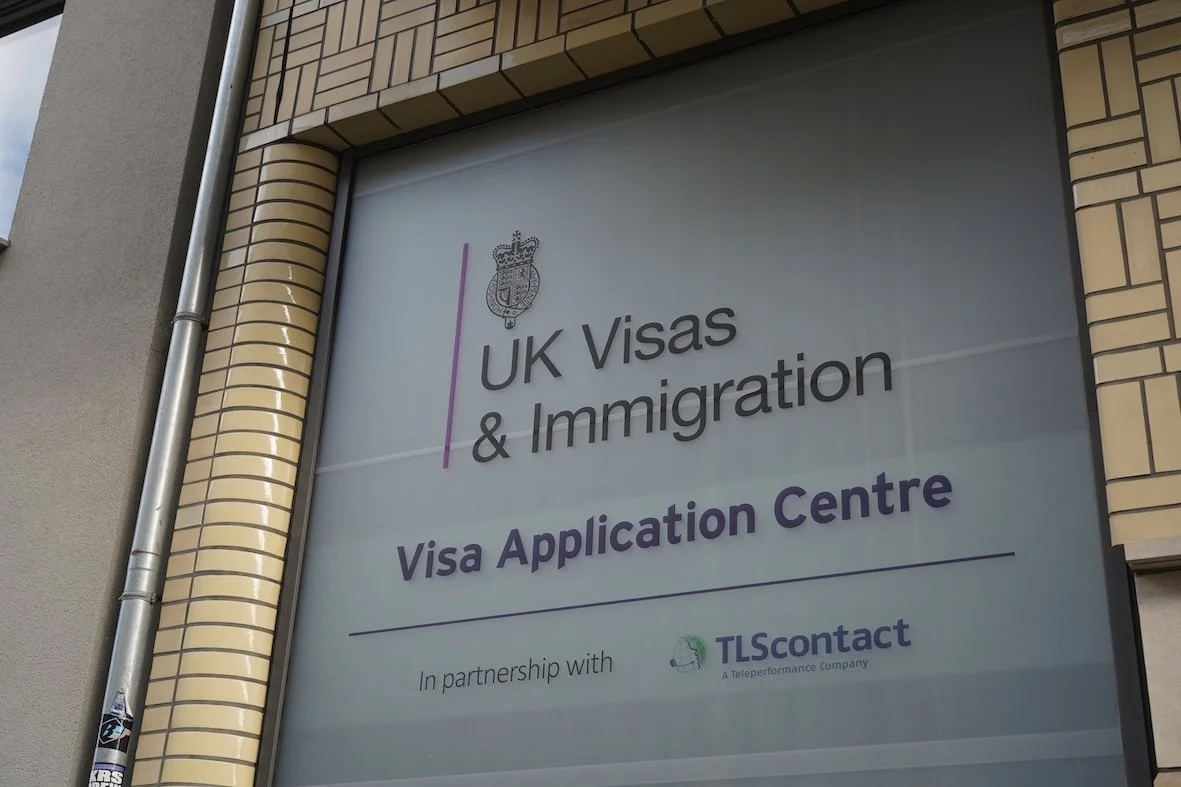
LONDON: The United Kingdom government has announced an increase in fees for a wide range of visas, residency applications and citizenship processes, a development that will affect thousands of Nigerians seeking to travel, study, work or settle in Britain.
The revised charges, published by the UK Home Office, will take effect from April 8, 2026, introducing higher application costs across most visa categories.
The increase will impact foreign nationals applying both inside and outside the United Kingdom, including those seeking visit visas, student visas, work permits, settlement permits and naturalization as British citizens.
Nigerians among major visa applicants
Nigeria remains one of the largest sources of visa applicants to the United Kingdom, with tens of thousands of citizens applying annually for short visits, education opportunities and employment in the country.
Under the new structure, the cost of a short-term visit visa (up to six months) will rise from £127 to £135, while the student visa fee will increase from £524 to £558.
Similarly, Nigerians seeking permanent residency in Britain will now pay £3,226, up from £3,029, while those applying for British citizenship through naturalisation will see the fee increase from £1,605 to £1,709.
The visa fee review forms part of broader adjustments by the UK government aimed at reflecting administrative costs associated with immigration processing.
One category sees reduction
Despite the widespread increases, the UK government introduced a rare reduction in one category.
The fee for registering a child as a British citizen has been reduced from £1,214 to £1,000, representing a £214 decrease.
However, most other visa and immigration charges have either increased or remained unchanged.
Read also:
- Nigeria Agrees to Receive Deported Criminals, Failed Asylum Seekers from UK
- Tinubu’s UK Visit Secures $1.51bn Investment Deals to Boost Trade, Ports, Agriculture
Visit visa fees
The updated charges for visitor visas are as follows:
- Short-term visit visa (up to 6 months): £127 → £135
- Long-term visit visa (up to 2 years): £475 → £506
- Long-term visit visa (up to 5 years): £848 → £903
- Long-term visit visa (up to 10 years): £1,059 → £1,128
- Visiting academic visa (6–12 months): £220 → £234
- Private medical treatment visa: £220 → £234
- Direct airside transit visa: £39 → £41.50
- Landside transit visa: £70 → £74.50
Student visa fees
The new student visa charges include:
- Student visa (main applicant and dependants): £524 → £558
- Child student visa: £524 → £558
- Short-term English language student visa (6–11 months): £214 → £228
Work visa adjustments
Several employment-related visa categories have also been increased:
- Skilled Worker visa (up to 3 years): £769 → £819
- Skilled Worker visa (over 3 years): £1,519 → £1,618
- Health and Care Worker visa (up to 3 years): £304 → £324
- Health and Care Worker visa (over 3 years): £590 → £628
- Innovator Founder visa: £1,274 → £1,357
- Start-up visa: £465 → £495
- Scale-up visa: £880 → £937
- Graduate Route visa: £880 → £937
However, the High Potential Individual visa remains unchanged at £880.
Settlement and residency fees
Applicants seeking long-term residency or settlement in the UK will also face higher costs.
The route to settlement application increases from £1,938 to £2,064, while the Indefinite Leave to Remain application will now cost £3,226, up from £3,029.
Other charges have also been adjusted, including visitor extensions and leave-to-remain applications.
Citizenship and nationality charges
For nationality-related applications, the new fees include:
- Naturalisation as British citizen: £1,605 → £1,709
- Registration as British citizen (adult): £1,446 → £1,540
- Registration as British citizen (child): £1,214 → £1,000 (reduced)
- Renunciation of nationality: £482 → £513
Implications for Nigerians
The fee increase comes at a time when migration and visa demand from Nigeria remains high, particularly among students and skilled workers seeking opportunities abroad.
Analysts say the higher charges could place additional financial pressure on applicants already dealing with the weak naira and rising international travel costs.
Nevertheless, the UK continues to attract large numbers of Nigerian migrants due to its education system, employment opportunities and long-standing diaspora links.