


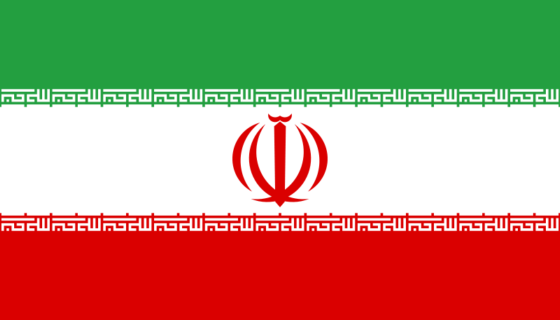
Iranian authorities have constituted an interim leadership council to temporarily assume the country’s highest political and religious authority following the reported killing of Supreme Leader Ali Khamenei in coordinated military strikes allegedly carried out by the United States and Israel.
The emergency arrangement, announced on Sunday, is aimed at maintaining continuity of governance while constitutional procedures for appointing a new supreme leader commence.
Under Article 111 of Iran’s constitution, a temporary leadership body is activated whenever the office of the supreme leader becomes vacant. The council will exercise executive powers until a permanent successor is selected by the Assembly of Experts.
The three-member interim council comprises President Masoud Pezeshkian, Judiciary Chief Gholam-Hossein Mohseni-Ejei, and senior cleric Ayatollah Alireza Arafi, who is also a member of the powerful Guardian Council.
Iranian officials said the move is intended to project institutional stability amid rising regional tensions, as Tehran has vowed retaliation over what it described as a “historic crime.
The leadership transition follows days of intensified military confrontation across the Middle East, with Iranian forces reportedly launching retaliatory strikes against United States and Israeli-linked facilities in several Gulf states.
Ayatollah Arafi, a prominent religious authority, plays a key role within Iran’s clerical establishment and serves as deputy chairman of the Assembly of Experts, the body constitutionally empowered to appoint the supreme leader.
He also oversees Iran’s seminary education system and leads Friday prayers in the religious city of Qom.
President Pezeshkian, regarded as a reform-minded figure within Iran’s political system, won the presidency in 2024 on promises of economic reforms and diplomatic engagement while maintaining allegiance to the Islamic Republic’s governing structure. Following Khamenei’s death, he described retaliation as Iran’s “legitimate duty and right.
Mohseni-Ejei, a conservative hardliner who has headed Iran’s judiciary since 2021, previously served as intelligence minister and prosecutor-general and is known for his strict stance against domestic unrest.
The political transition comes as U.S. President Donald Trump called on Iranians to challenge their leadership remarks Tehran condemned as foreign interference.
Analysts say the interim council represents an attempt by Iran’s political and religious institutions to maintain internal stability during one of the most consequential crises in the country’s modern history, as succession politics and external military pressures unfold simultaneously.


