


TEHRAN: Iran has urged the United States to accept its conditions for ending the ongoing eight-month conflict, offering to reopen the strategically important Strait of Hormuz within two days if Washington agrees to a series of demands, including ending hostilities, lifting oil sanctions and releasing frozen Iranian assets.
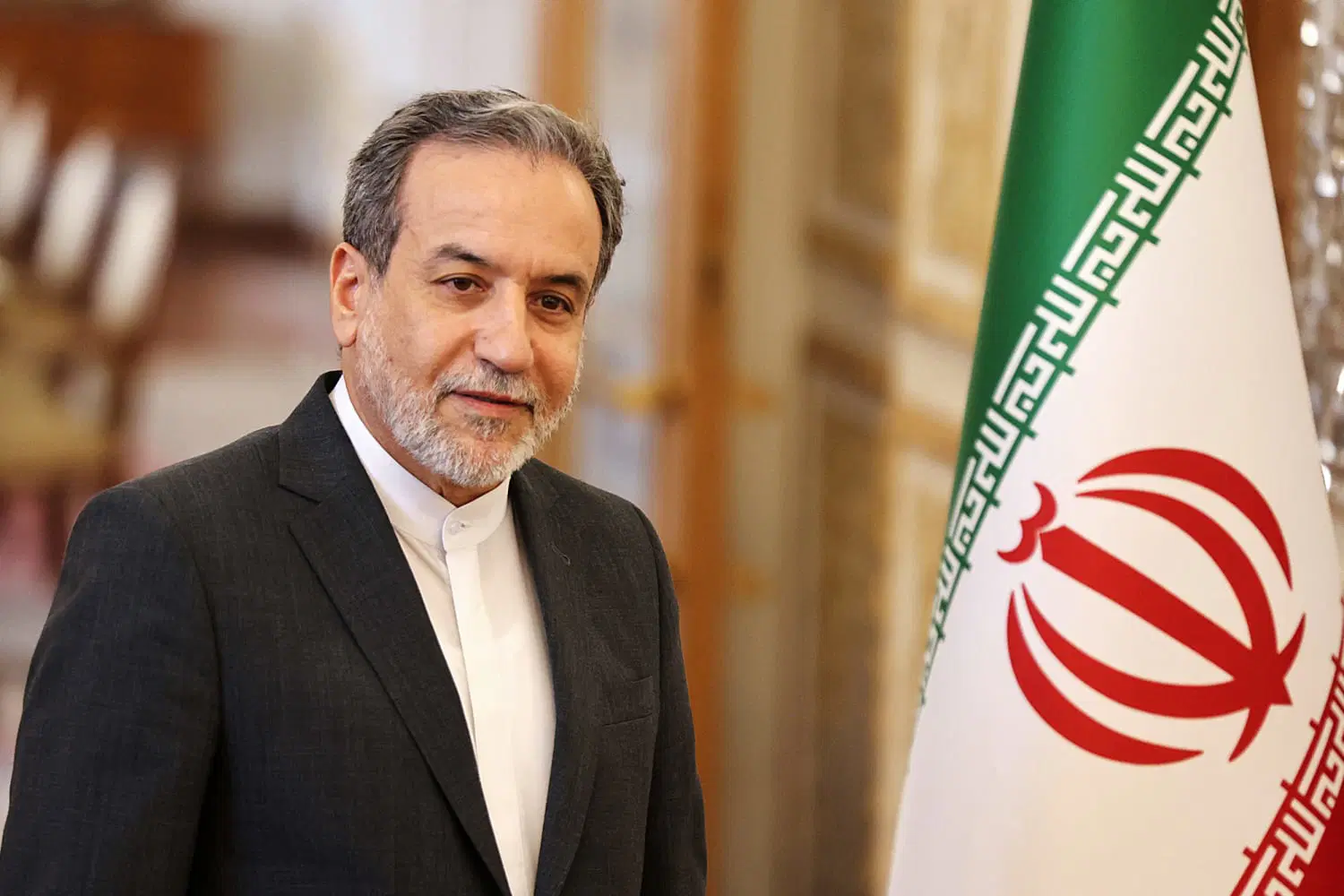
Iranian Foreign Minister Abbas Araghchi restated Tehran’s position on Tuesday, November 10, insisting that the conflict cannot be resolved through military action or increased economic sanctions but requires diplomatic engagement and respect for Iran’s demands.
His statement followed remarks by US President Donald Trump, who said there was “positive momentum” towards ending the war after meeting Qatar’s prime minister at the White House.
Speaking to Iran’s state news agency, IRNA, Araghchi maintained that Tehran’s proposal remained on the table and urged Washington to consider a diplomatic settlement.
“The conflict with Iran will not be resolved through military means, nor by intensifying sanctions,” the foreign minister said.
He added that the only path towards resolving the crisis was to adopt a language of respect, engage in diplomacy and address the conditions presented by Tehran.
Under Iran’s proposed arrangement, the Strait of Hormuz would be reopened within two days if the United States meets its demands.
The conditions include an end to the war on all fronts, the unfreezing of Iranian financial assets, the lifting of sanctions on Iranian oil and the termination of the US counter-blockade of Iranian ports.
The proposal places the reopening of the Strait of Hormuz at the centre of ongoing diplomatic efforts, given the waterway’s importance to international energy supplies and global shipping.
The Strait connects the Persian Gulf to the Gulf of Oman and serves as a major route for the transportation of crude oil and other energy products to international markets.
Its continued disruption has raised concerns about energy security, shipping costs and the wider economic consequences of the conflict.
Iran’s offer is therefore being closely watched by international markets and countries that depend on energy shipments passing through the region.
Trump, meanwhile, has expressed optimism about efforts to end the conflict, although he maintained that the United States remained prepared for further military action if necessary.
Following his meeting with Qatar’s prime minister, the US president said there was “positive momentum” towards ending the war.
In a social media statement, Trump reiterated that American forces were “locked and loaded” but suggested that further strikes were unlikely, partly because key US allies in the Gulf preferred the current situation to another escalation.
“We are seeing positive momentum toward an end to this conflict, and will ensure that America’s interests are at all times protected,” Trump stated.
His comments have raised expectations of a possible diplomatic breakthrough, although Washington has not publicly accepted Iran’s conditions.
The diplomatic efforts are being facilitated by Qatar and Pakistan, which have been involved in attempts to bring the two sides towards an agreement.
While Araghchi emphasised diplomacy, Iran’s security chief, Mohsen Rezaei, adopted a more confrontational tone in his response to Washington.
In a post on X on Tuesday, Rezaei urged the United States to surrender to Iran’s demands, dismissing reports of progress in negotiations as misleading.
The war on Iran has already wrecked the US government. But Washington flails like a desperate gambler. FOLD YOUR HAND. STOP manufacturing FAKE NEWS about imaginary talks,” he wrote.
His comments reflect the continuing hardline position within Iran’s leadership, even as diplomatic discussions are being pursued through regional intermediaries.
The contrasting statements from Iranian officials underline the delicate balance between Tehran’s willingness to negotiate and its insistence that Washington must first meet its conditions.
Qatar and Pakistan have emerged as key intermediaries in the efforts to find a resolution to the conflict.
Their diplomatic engagement is aimed at securing an arrangement that could reopen the Strait of Hormuz, reduce military tensions and create a pathway towards broader negotiations.
The conflict began in late February following US-Israeli strikes that killed Iran’s Supreme Leader, Ayatollah Ali Khamenei.
Since then, the confrontation has escalated into a prolonged regional crisis, with serious implications for security, international trade and energy supplies.
The latest diplomatic initiative follows several rounds of indirect engagement, with Tehran insisting that any agreement must address the war on all fronts and the economic restrictions imposed on Iran.
The Strait of Hormuz remains one of the world’s most important energy corridors, making any agreement over its reopening significant for international oil markets.
A successful diplomatic arrangement could help ease concerns about supply disruptions, shipping difficulties and rising energy costs.
However, uncertainty remains over whether Washington will accept Tehran’s conditions, particularly the demands concerning sanctions, frozen assets and the US naval blockade.
Trump’s expression of optimism and Iran’s renewed offer have created an opening for further diplomatic engagement, but no final agreement has been announced.
For now, the proposed two-day reopening arrangement remains conditional on the United States accepting Iran’s demands, leaving the future of the conflict dependent on negotiations between the two governments and the efforts of regional mediators.


