


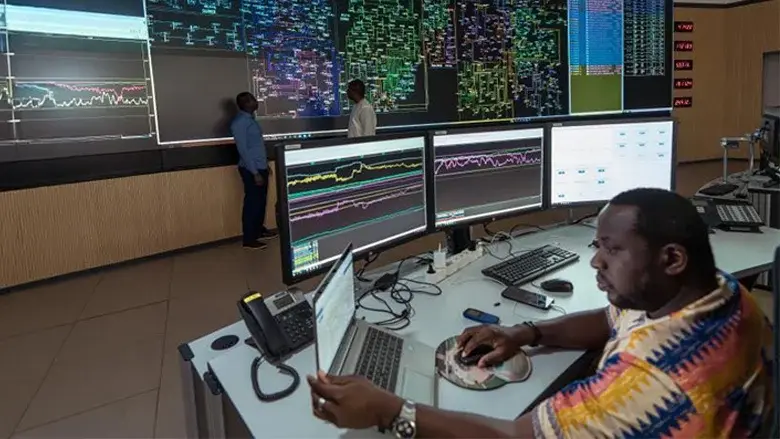
A massive regional electricity programme backed by the World Bank is transforming the energy landscape across West Africa, connecting 15 countries, expanding electricity access to more than three million people and creating over 52,000 jobs.
According to a new results brief released by the World Bank, the West Africa Regional Power Integration and Electricity Access Program is helping to deliver more affordable, reliable and sustainable electricity while boosting economic growth, empowering women and reducing climate impacts.
One of the programme’s biggest achievements has been the construction of more than 4,000 kilometres of high-voltage transmission lines under the West African Power Pool (WAPP), linking electricity grids across 15 countries.
The interconnection has enabled power utilities to trade electricity across borders, with about eight per cent of electricity generated in the region now being exchanged among member states. The figure is gradually approaching the European Union’s benchmark of between 10 and 12 per cent for cross-border electricity trade.
The increased regional cooperation has helped lower electricity costs and improve power reliability in participating countries.
Between 2019 and 2025, over three million residents of Burkina Faso, Guinea, Liberia, Senegal, Sierra Leone and The Gambia gained access to electricity following upgrades to transmission and distribution infrastructure.
The expansion is expected to improve living conditions, support businesses and accelerate economic development across the sub-region.
The World Bank said regional power integration has significantly strengthened the finances of power utilities in several countries.
Guinea-Bissau’s electricity company, Electricidade e Águas da Guiné-Bissau (EAGB), moved from recording monthly losses of around $1 million to posting positive financial results.
Similarly, The Gambia’s National Water and Electricity Company (NAWEC) returned to profitability after cutting operating costs by approximately 42 per cent through access t
Another milestone expected in 2026 is the introduction of a Day-Ahead Market, which will allow power companies to buy electricity a day before demand peaks, helping reduce shortages and prevent costly blackouts.
The market is being developed jointly by the West African Power Pool and the ECOWAS Regional Electricity Regulatory Authority (ERERA).
In late 2025, regulators approved tariffs for the market and completed the first synchronization trial involving uninterrupted electricity flows across 12 West African countries.
Before the programme, West Africa struggled with inadequate electricity supply, with more than half of the population lacking access to power.
Many countries relied heavily on ageing fuel-powered plants and expensive imported petroleum products, making electricity generation costly and unreliable. Limited public funding also constrained investment in modern power infrastructure.
Although countries such as Guinea and Côte d’Ivoire had surplus electricity generation capacity, the absence of transmission links prevented them from exporting power to neighbouring nations facing shortages.
The World Bank noted that a coordinated regional approach became necessary to bridge these gaps and accelerate progress towards universal electricity access.
Working alongside development partners including the African Development Bank, European Investment Bank, Islamic Development Bank, West Africa Development Bank and France’s Agence Française de Développement, the World Bank financed key interconnection projects.
These include:
- The Côte d’Ivoire-Liberia-Sierra Leone-Guinea (CLSG) transmission line;
- The Guinea-Guinea-Bissau-The Gambia-Senegal (OMVG) transmission loop;
- The Senegal-Mali Interconnector (OMVS).
The projects have helped integrate national electricity grids and extend power supply to remote communities through innovative transmission technologies.
Beyond improving access to electricity, the programme has generated more than 52,000 direct and indirect jobs across engineering, construction, logistics, project management and operations.
The World Bank said the initiative has also improved the quality of life for women, helping close gender gaps while supporting female-owned businesses and increasing access to healthcare and education.
According to the World Bank, the success of cross-border electricity projects demonstrates that regional integration can provide a cost-effective solution to power shortages.
The OMVG network enabled Guinea-Bissau and The Gambia to import cheaper hydropower from Guinea, reducing electricity production costs significantly and restoring profitability to their utilities.
Likewise, the CLSG network has allowed Liberia and Sierra Leone to purchase lower-cost electricity from Côte d’Ivoire, reducing generation costs by between 10 and 20 per cent.
Looking ahead, the World Bank plans to deepen regional electricity trade and accelerate universal access through the West Africa Regional Electricity Market Program (WA-REMP).
The programme will support full synchronization of interconnected grids, strengthen utility finances and establish a revolving fund to guarantee timely payments among electricity traders.
As part of the broader Mission 300 initiative aimed at expanding energy access across Africa, additional cross-border power projects are expected to be launched in the coming years.
The World Bank said expanding regional connectivity will help drive economic growth, create more jobs and bring millions of people closer to achieving reliable and affordable electricity.


