


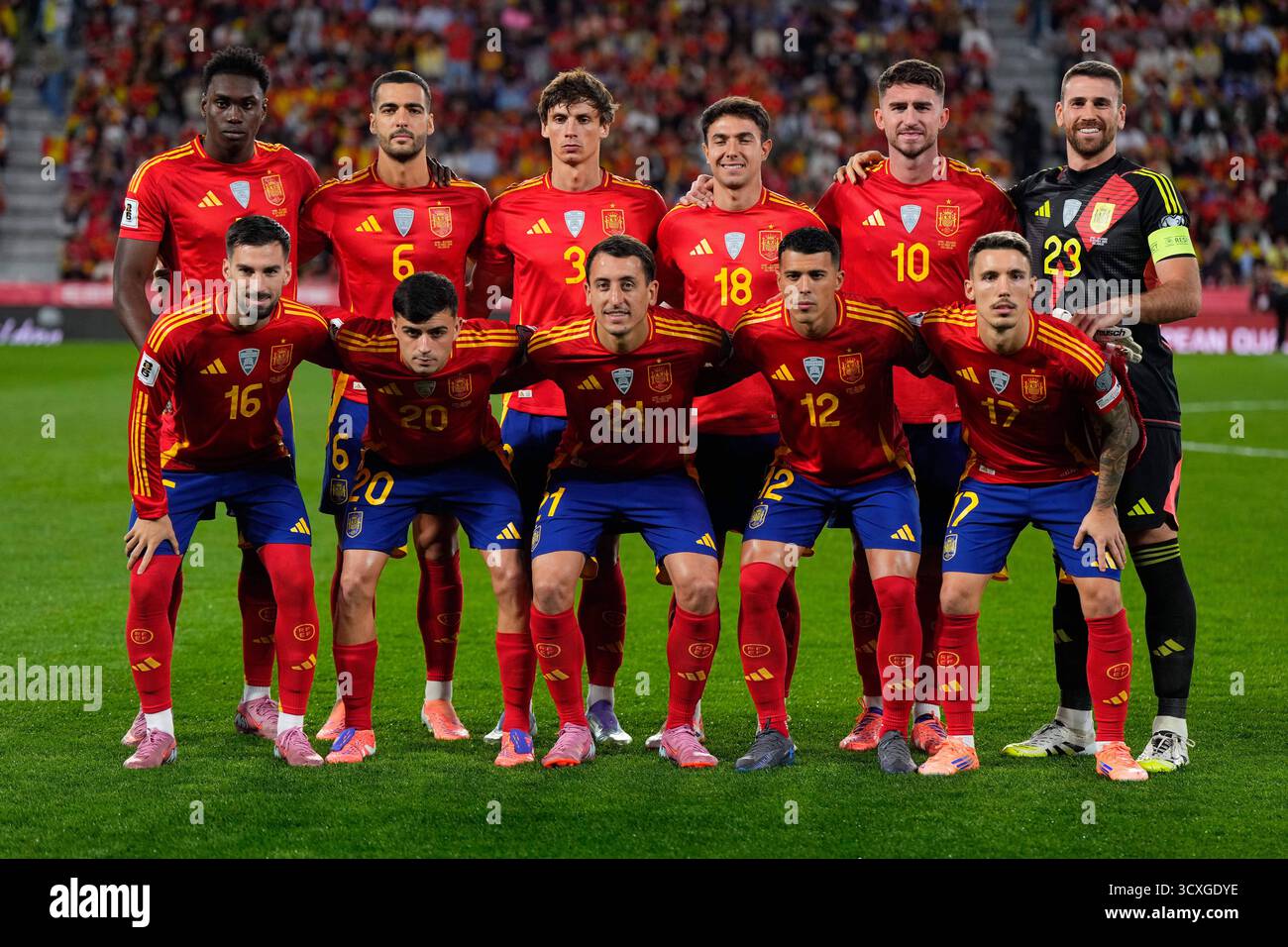
Spain lifted the trophy, Argentina walked away heartbroken but somewhere in the background, a quieter financial story has been playing out, and it has nothing to do with either federation.
Every time a player heads off to play for their country at the World Cup, their club back home gets paid for the trouble. It’s called FIFA’s Club Benefits Programmed, and the basic idea is simple: clubs are compensated for every day a player spends away on international duty, from the pre-tournament camp right up until they’re eliminated or, if they’re lucky, until they’re lifting a trophy.
That last part matters, because the payments aren’t flat. The longer a country stays in the tournament, the more money flows back to the clubs that own those players’ contracts. So when Spain went all the way to the final and beat Argentina 1-0 in extra time, the clubs with Spanish and Argentine players on their books were always going to end up near the top of the payout list.
The math behind it isn’t complicated either. FIFA takes a fixed pool of money and divides it by the total number of “player-days” across the tournament, which gives a standard daily rate. This time around, clubs were guaranteed at least $5,000 per player per day — which works out to roughly $160,000 per player for a full run through the tournament.
And there was a lot more money in the pool than usual. FIFA and the European Club Association agreed on $355 million for this cycle, up about 70% from the $209 million paid out after Qatar 2022.
For the first time, the fund was split in two: $100 million set aside for clubs that released players just for World Cup qualifiers, and $250 million tied specifically to the tournament itself.
So who actually made the most? Manchester City, according to figures pulled together by The Athletic, came out on top with an estimated $4.4 million — more than any other club for releasing players to the tournament. Barcelona wasn’t far behind at around $3.9 million, with Bayern Munich third on roughly $3.4 million. Arsenal, PSG, and Atletico Madrid also landed near the top.
It’s not hard to see why Barcelona did so well they had 16 players involved once the tournament hit its knockout stages, which naturally pushed their payout up.
FIFA president Gianni Infantino has described the expanded scheme as a way of recognizing the role clubs play in developing the talent that makes international football possible and, notably, this is the first time clubs have been paid even when their players only featured in qualifiers rather than the tournament proper.


