


As the busy summer travel season gets underway in the United States, the Federal Aviation Administration (FAA) has reassured travelers that the nation’s air traffic control system remains safe, despite concerns over aging technology still being used across many facilities.
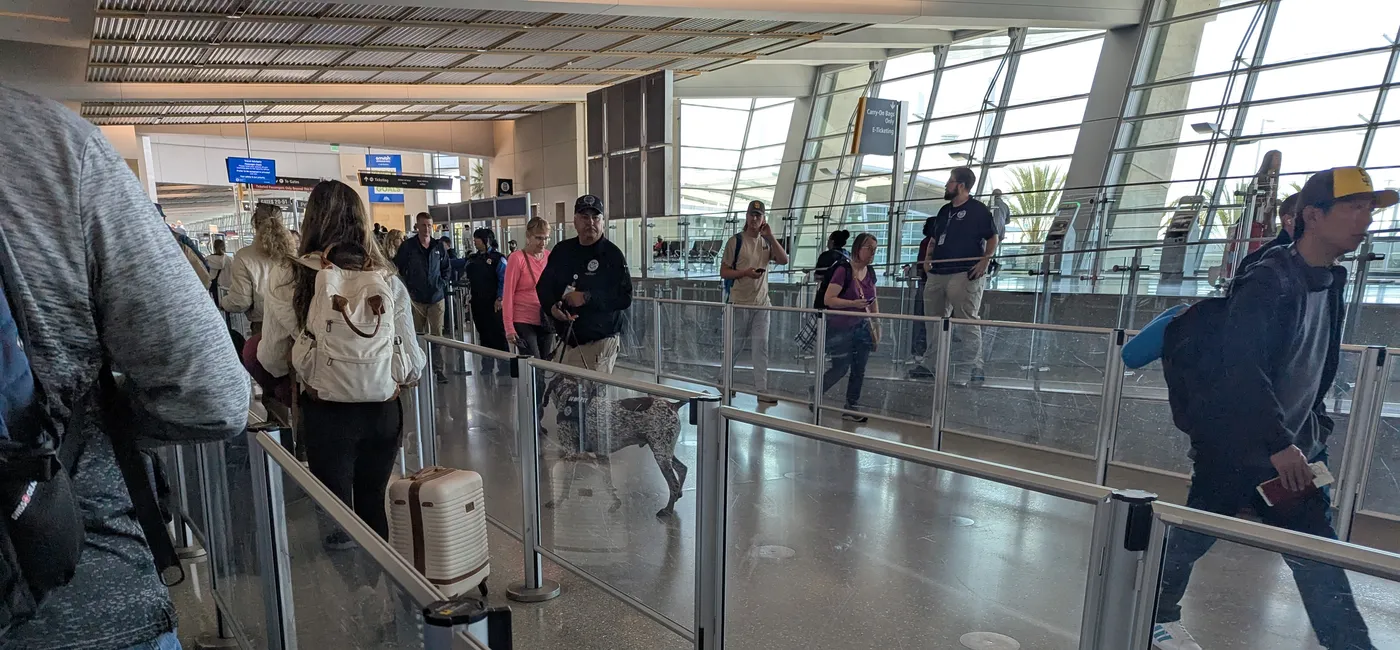
The assurance comes after a record-breaking Memorial Day weekend, during which the Transportation Security Administration (TSA) screened more than 18.4 million travelers. Airlines are also forecasting a massive surge in passenger traffic, with an estimated 263 million people expected to fly between June 1 and August 31.
FAA Administrator Bryan Bedford acknowledged that parts of the country’s aviation infrastructure rely on outdated technology, including computer systems dating back to the 1970s and 1980s. He revealed that some FAA facilities are still operating with legacy equipment and older computer systems, raising concerns about efficiency and reliability.
According to Bedford, several equipment failures experienced last summer in major aviation hubs such as Washington, Newark, and Philadelphia highlighted the need for modernization. While many of those issues have since been addressed, he admitted that some reliability risks remain due to the age of the technology.
Despite these challenges, Bedford stressed that safety remains the FAA’s top priority and insisted that the aviation system is operating securely.
I fly every week and have complete confidence in the safety of the system,” he said, adding that travelers should feel comfortable flying throughout the summer season.
To address long-term concerns, U.S. Transportation Secretary Sean Duffy has requested $10 billion from Congress to fund the next phase of a nationwide air traffic control modernization program.
The FAA has already recorded progress in its modernization efforts, recently completing the first phase of an upgrade to the “Notices to Airmen” system, a critical platform used to provide pilots and flight planners with important aviation safety information.
Officials say continued investment in technology and infrastructure will be crucial to ensuring that America’s aviation system can efficiently handle growing passenger demand while maintaining the highest safety standards.