


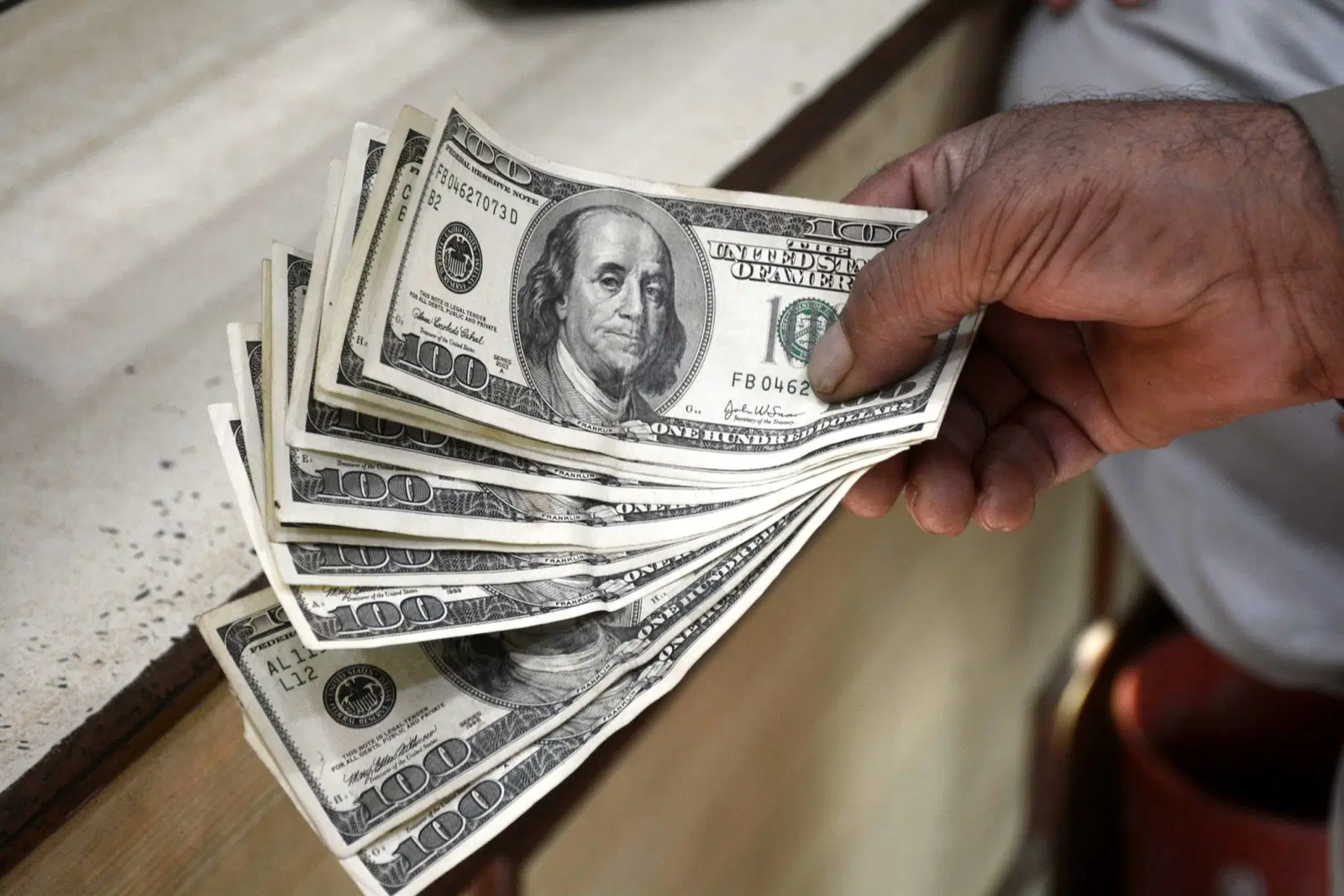
ABUJA: The Nigerian naira traded at around ₦1,330.95 to the US dollar at the Nigerian Foreign Exchange Market (NFEM) on Friday, October 23, 2026, amid relative stability in the official foreign exchange market.
According to exchange rate figures reported by Vanguard News, early spot transactions at the official window hovered between ₦1,330.95 and ₦1,332.00 per dollar, following recent daily fluctuations.
Meanwhile, in the parallel market, also known as the black market, Bureau De Change (BDC) operators and street currency traders in major commercial centres, including Lagos and Abuja, quoted varying exchange rates.
The reported buying rate ranged between ₦1,360 and ₦1,365 per dollar, while selling rates stood between ₦1,375 and ₦1,380.
The reported exchange rates for Friday, October 23, 2026, are as follows:
- Official NFEM rate: ₦1,330.95 per dollar
- Official market early trading range: ₦1,330.95–₦1,332
- Parallel market buying rate: ₦1,360–₦1,365
- Parallel market selling rate: ₦1,375–₦1,380
Rates may vary by location, transaction size and individual dealer. These are reported figures for October 23, not live exchange rates.
At the reported official exchange rate of ₦1,330.95 per dollar, $100 is equivalent to approximately ₦133,095.
However, at the parallel market selling rate of ₦1,380 per dollar, purchasing $100 would cost approximately ₦138,000.
The difference between the two calculations is ₦4,905.
Actual transaction costs may differ depending on the applicable exchange rate, fees and availability of foreign currency.
The dollar-to-naira exchange rate remains important to Nigerian businesses, importers, students, travellers and households that depend on foreign goods and international payments.
A weaker naira can increase the local cost of imported products, foreign tuition payments and overseas travel, while exchange rate stability may help businesses plan their transactions and manage operating costs.
The difference between the official and parallel market rates also reflects varying access to foreign currency and demand among retail buyers, small businesses and individuals.
Market participants cited sustained diaspora remittance inflows and foreign portfolio interest in domestic yield instruments as factors supporting the reported stability in the exchange rate.
However, the naira’s future direction will depend on several factors, including foreign currency supply, demand pressures, investor confidence and developments in Nigeria’s broader economy.
For Nigerians monitoring foreign exchange movements, checking the applicable rate with authorised financial institutions before making transactions remains important.


