

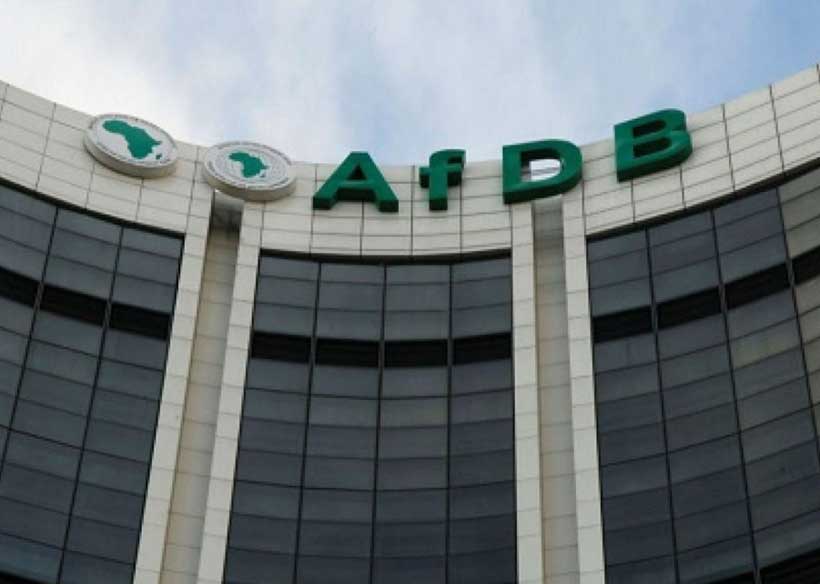
The African Development Bank Group (AfDB) has approved a $200 million loan to support the expansion of Nigeria’s digital infrastructure, a strategic intervention expected to accelerate broadband penetration, stimulate economic growth, and create millions of jobs across the country.
The funding will be deployed under the Digital Value Chain Infrastructure for Boosting Employment (D-VIBE) Project a flagship initiative aimed at strengthening Nigeria’s digital ecosystem, bridging connectivity gaps, and unlocking new opportunities in the fast-growing digital economy.
Massive Fibre Expansion Across 774 LGAs
At the heart of the initiative is an ambitious plan to expand Nigeria’s fibre-optic backbone from approximately 30,000 kilometres to about 120,000 kilometres — a fourfold increase that could redefine connectivity nationwide.
The expansion is designed to extend high-speed broadband access to all 774 local government areas, significantly improving internet availability in underserved and rural communities that have historically lagged behind urban centres.
By connecting critical sectors — including schools, healthcare facilities, agro-industrial zones, small businesses, and government institutions — the project is expected to enhance service delivery, boost productivity, and enable broader participation in the digital economy.
In addition to domestic connectivity, the project will establish cross-border fibre links with neighbouring countries such as Benin, Cameroon, Niger, and Chad, strengthening regional integration and facilitating cross-border digital trade.
$2 Billion Multi-Partner Financing Structure
The D-VIBE project forms part of a broader $2 billion financing package involving several global development partners.
Alongside AfDB’s contribution, the World Bank is expected to provide $500 million, while the European Bank for Reconstruction and Development (EBRD) will contribute $100 million.
Additional funding includes a €22 million grant from the European Union and a $2.6 million project preparation facility from the Multilateral Cooperation Center for Development Finance.
The project will also leverage private sector capital through a public-private partnership (PPP) model structured around a Special Purpose Vehicle (SPV). Under this framework, public sector ownership is expected to range between 25 and 49 per cent, while private investors will hold a controlling stake of between 51 and 75 per cent a structure designed to improve efficiency, attract expertise, and accelerate implementation.
One of the most significant expected outcomes of the project is large-scale job creation. The initiative is projected to generate up to 2.8 million jobs across its lifecycle, spanning construction, infrastructure maintenance, digital services, and innovation-driven sectors.
Beyond employment, the project is expected to raise Nigeria’s broadband penetration from approximately 45 per cent to about 70 per cent by 2030 — a critical threshold that analysts say could unlock substantial economic value.
Improved connectivity is widely seen as a catalyst for growth in sectors such as fintech, e-commerce, digital education, telemedicine, and remote work. It also enhances the efficiency of government services, strengthens transparency, and reduces the cost of doing business.
Despite being Africa’s largest economy and most populous nation, Nigeria continues to grapple with uneven access to digital infrastructure, particularly in rural and semi-urban areas.
The D-VIBE project aims to address not only infrastructure deficits but also key barriers to digital adoption, including affordability, access to devices, and limited digital literacy.
Planned interventions include large-scale digital skills training programmes, support for affordable smart devices, and the development of platforms that enable individuals and businesses to actively participate in the digital economy.
According to Abdul Kamara, Director-General of AfDB’s Nigeria Office, the project is expected to have a transformative impact across multiple sectors.
From farms to factories to classrooms, this investment will make high-speed connectivity a reality for every Nigerian community,” he said.
Kamara noted that improved digital access would empower young Nigerians with the tools needed to build sustainable livelihoods, innovate, and compete in an increasingly globalised economy.
Analysts believe the D-VIBE project could mark a turning point in Nigeria’s digital journey by laying the foundation for a more inclusive, resilient, and innovation-driven economy.
If effectively implemented, the initiative will not only expand connectivity but also position Nigeria as a regional hub for digital services, investment, and technology-led growth in West Africa.
As global economies increasingly rely on digital infrastructure, Nigeria’s ability to scale broadband access and build a robust digital backbone will be critical to its long-term competitiveness and economic diversification agenda.