

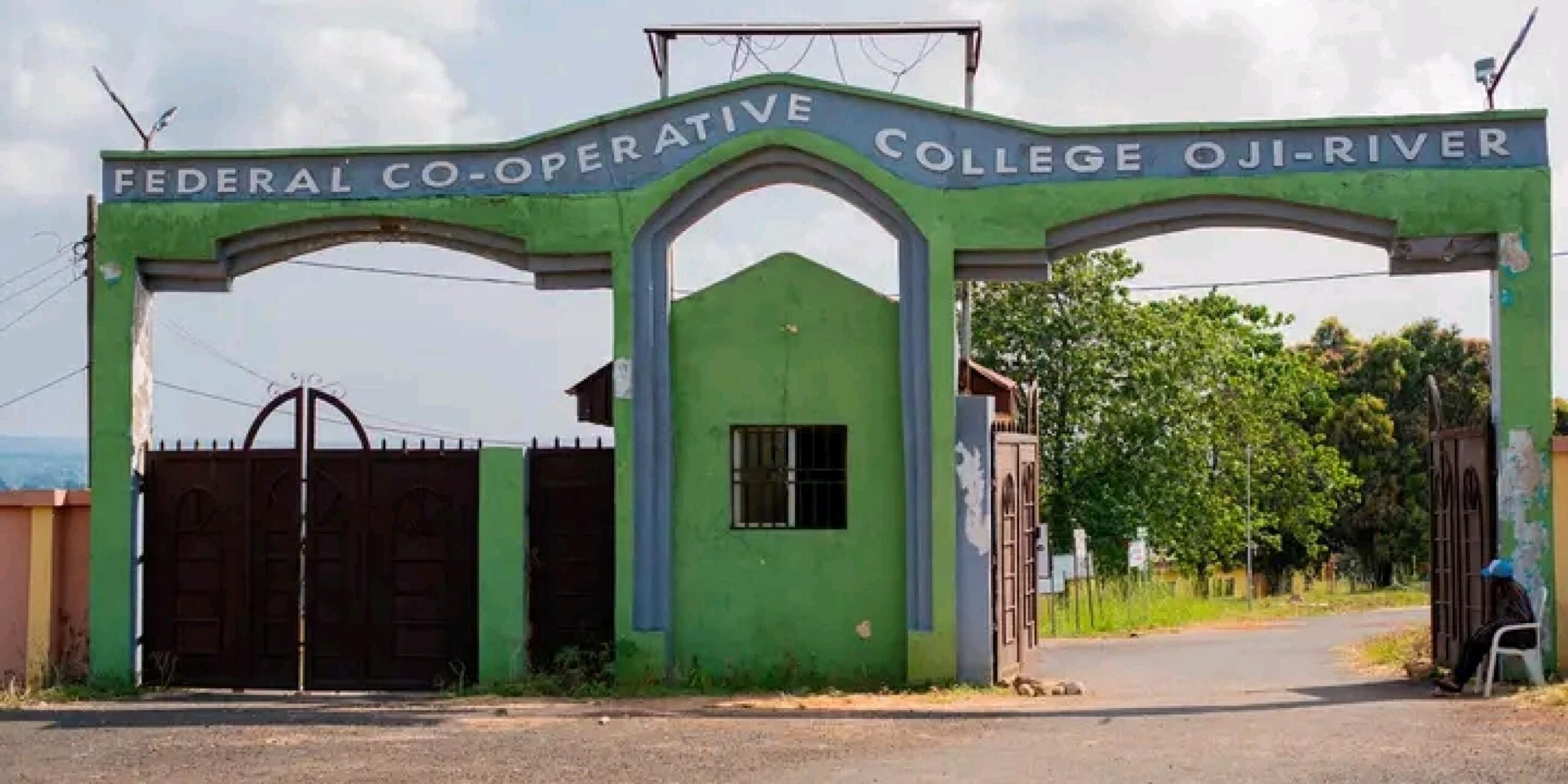
ABUJA: Questions have emerged over the implementation and accountability of about N29.44 billion in education-related projects spread across several states but captured under the 2026 capital budget of the Federal Co-operative College, Oji River, Enugu State.
The projects, uncovered in a review of the 2,790-page 2026 Appropriation Act, include classroom construction and renovation, hostels, libraries, ICT centres, educational materials, examination halls and other interventions across different parts of the country.
The allocations were identified in pages 731 to 761 of the budget document obtained by SaharaReporters from the Budget Office of the Federation.
According to the report, the Federal Co-operative College received a total budget allocation of N226.77 billion for 2026, with N225.63 billion earmarked for capital expenditure.
Of the capital provision, N29.44 billion was allocated to dozens of projects located outside the immediate environment and apparent core responsibilities of the institution.
The projects are spread across states including Delta, Rivers, Bayelsa, Edo, Cross River, Enugu, Ebonyi, Anambra, Imo, Abia, Akwa Ibom, Lagos, Ogun, Osun, Ondo, Ekiti, Kogi, Benue, Kaduna, Kano, Sokoto, Adamawa, Nasarawa, Katsina, Niger and the Federal Capital Territory.
Among the biggest allocations is N6.5 billion for the construction of lecture theatres, faculty buildings, hostels and perimeter fencing at selected locations nationwide.
Another N2.1 billion was earmarked for the construction of male and female hostels in selected schools across the country, while N2 billion was allocated for the construction and furnishing of technical schools in the South-West.
The budget also provides N1.4 billion for laptops and ICT support for undergraduate students in selected communities and N1.05 billion for the fabrication and equipping of ICT centres in selected South-South locations.
Other projects include N700 million for digital learning devices and smart resources for schools in Kogi Central Senatorial District and another N700 million for renovation of selected schools in Enugu State.
Several communities and constituencies were also allocated hundreds of millions of naira for classroom blocks, school renovations and educational materials.
In Ogun State, for example, multiple communities and educational institutions were allocated N280 million each for furnishing and equipping classroom blocks.
Beneficiaries listed include Ofada Community High School, Baptist Boys High School in Abeokuta, Remo Secondary School in Sagamu, Abeokuta Grammar School, Anglican Girls Grammar School in Ijebu Ode, Olabisi Onabanjo University and Tai Solarin University of Education.
Several education projects were also captured for Delta State.
The allocations include N245 million for 100-bed accommodation for medical students at the University of Delta, N210 million for classroom blocks in the Bomadi/Patani Federal Constituency, and N140 million for educational materials in Bomadi/Patani.
Other Delta projects include N70 million for science laboratory equipment at Ika Grammar School, Agbor, N70 million for ICT equipment at Ada Grammar School, and N70 million for teachers’ quarters at Ayakoromo.
The budget also contains N17.5 million for renovation of selected schools in Igbide, Isoko South.
The unusual arrangement has raised questions about why a specialised institution such as the Federal Co-operative College would serve as the spending vehicle for projects involving primary and secondary schools, universities, community libraries and ICT centres across the country.
The college’s core mandate is focused on cooperative education, training and management, rather than nationwide execution of public school infrastructure projects.
The projects therefore raise questions about which government agency will ultimately implement them and which institution will be responsible for monitoring their execution.
The arrangement could also make it difficult for communities and citizens to establish who should be held accountable for the delivery of individual projects.
The report further noted that several of the projects appear similar in nature, with multiple allocations for classroom construction, school renovation, educational materials and ICT interventions across different constituencies.
The discoveries have renewed concerns about constituency projects, budget padding and the process through which projects are inserted into Nigeria’s annual federal budgets.
Questions have also been raised about whether the projects were subjected to proper needs assessments, procurement planning and feasibility checks before being allocated to the Federal Co-operative College.
While constituency projects are intended to address development needs in communities, the concentration of geographically scattered projects under an institution whose mandate does not obviously cover their implementation could create accountability and monitoring challenges.
The 2026 budget entries consequently highlight the need for greater transparency in the identification, allocation and execution of constituency projects.
They also underscore the importance of ensuring that federal institutions are assigned projects that align with their statutory mandates and administrative capacity.
For the affected communities, however, the immediate concern remains whether the billions of naira allocated for classrooms, hostels, laboratories, ICT centres and educational materials will translate into completed projects and tangible improvements in learning conditions.