


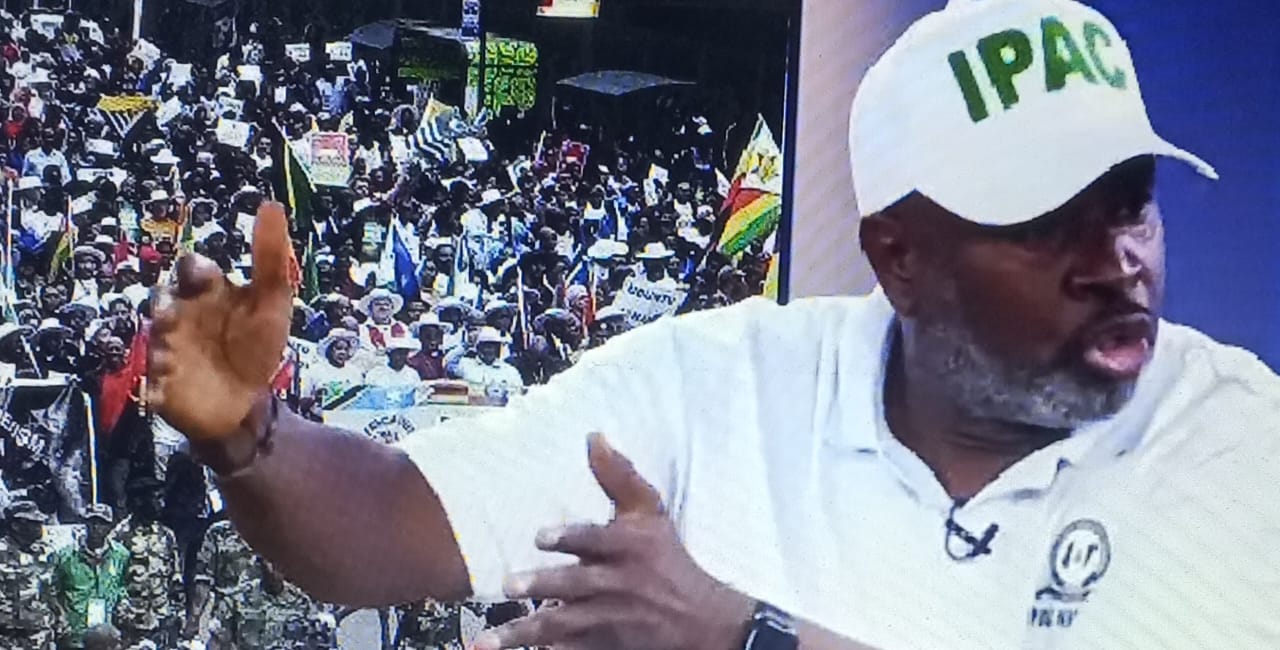
Chairman of the Inter-Party Advisory Council (IPAC), Yusuf Dantalle, has described the renewed xenophobic attacks against Nigerians and other African nationals in South Africa as a wake-up call for Nigerians to confront the country’s leadership and governance challenges.
Speaking on Channels Television’s Politics Today, the National Chairman of the Allied People’s Movement (APM) said the disturbing attacks should prompt Nigerians to focus on rebuilding the nation and electing leaders capable of addressing its numerous problems.
According to Dantalle, Nigeria should be a source of inspiration and leadership for other African countries rather than watching its citizens become victims of violence abroad.
Reacting to the latest wave of attacks targeting foreign nationals in South Africa, Dantalle stressed that the crisis should serve as a reminder that Nigerians must take responsibility for shaping the country’s future.
“What is happening—the xenophobic attacks on Nigerians in South Africa and some other African countries—is a call for us to come back and fix Nigeria. Nigerians should elect who they want to fix Nigeria, not anybody deciding what should be done. Africa is supposed to look up to Nigeria as a big brother,” he said.
He argued that strong leadership and effective governance would not only improve the lives of citizens but also restore Nigeria’s influence and prestige across the continent.
The latest wave of xenophobic violence in South Africa has sparked fear and displacement, with some groups blaming foreign nationals for rising unemployment, poverty and crime.
The attacks have renewed concerns about the safety of Nigerians and other Africans living in the country, forcing several governments to take emergency measures to protect their citizens.
In response to the crisis, the Nigerian government has commenced the evacuation of its citizens from South Africa.
Authorities have already airlifted an initial batch of 258 Nigerians back to the country as part of efforts to ensure their safety.
Other African nations have also begun similar evacuation exercises as tensions continue to mount.
Dantalle maintained that the unfortunate developments should push Nigerians to become more involved in the democratic process and support leaders with the capacity to tackle insecurity, unemployment and economic hardship.
He insisted that Nigeria’s status as Africa’s largest economy and most populous nation places a responsibility on the country to provide leadership on the continent.
According to him, restoring Nigeria’s strength and stability will not only benefit citizens at home but also improve the nation’s image and protect Nigerians living abroad.
As concerns over xenophobic attacks continue to grow, many Nigerians are hoping for lasting diplomatic solutions while calling for stronger economic and governance reforms that can make the country more prosperous and influential in Africa.


