

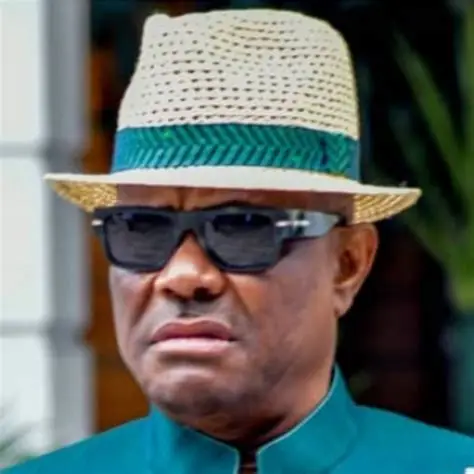
ABUJA: Nigeria’s Minister of the Federal Capital Territory, Nyesom Wike, is facing widespread backlash after a controversial remark in which he suggested he would have “shot” a television journalist during a live programme.
The statement has drawn condemnation from civil society organisations, media rights groups and commentators, with some groups urging the United States and other democratic nations to consider diplomatic sanctions against the minister over what they described as a threat to press freedom.
The controversy followed comments made by Seun Okinbaloye, anchor of Politics Today on Channels Television, during a discussion on Nigeria’s political future ahead of the 2027 general elections.
During the programme, Okinbaloye stressed the importance of competitive politics for the survival of democracy.
What makes the race very interesting is when it’s competitive and not when only one party stands, the presenter said.
If this hope is dashed, we are doomed democratically speaking.
However, reacting during his monthly media chat, Wike accused the journalist of abandoning neutrality and taking sides in the political debate.
When I was watching Politics Today, Seun… If there was any way to break the screen, I would have shot him, Wike said.
You are an interviewer and you are now telling them your own views.
Although the minister later insisted that the statement was not intended as a literal threat, the comment has sparked outrage across the media landscape and on social media platforms.
A coalition of at least 14 civil society and media rights organisations issued a joint statement condemning the remark, describing it as dangerous and capable of intimidating journalists.
The groups argued that comments suggesting violence against media professionals could create a hostile environment for press freedom in Nigeria.
They demanded a public apology from Wike and called on authorities to ensure the safety of journalists who hold public officials accountable.
According to the coalition, “threatening language directed at journalists, especially by a senior government official, undermines democratic values and weakens the independence of the media.
Some civil society groups have gone further by urging the United States Department of State, the European Union, and other democratic partners of Nigeria to review Wike’s conduct.
They called for the minister to face possible visa restrictions or diplomatic sanctions if he fails to retract the statement and apologise.
According to the organizations, such measures would send a clear message that threats against journalists are unacceptable in democratic societies.
The groups also urged international press freedom organizations to monitor developments in Nigeria and support efforts to protect journalists from intimidation.
The remark has dominated discussions on Nigerian social media platforms, with many citizens expressing concern over the tone of political discourse in the country.
Critics argue that such statements from high-ranking public officials could embolden attacks on journalists and weaken democratic institutions.
Others described the remark as inappropriate and unbecoming of a senior government figure.
Supporters of the minister, however, insisted that the comment was made figuratively and should not be interpreted as an actual threat.
The controversy has reignited debate about the relationship between public officials and the media in Nigeria.
Media advocacy groups say journalists must be able to ask tough questions and express analytical opinions without fear of retaliation.
They stressed that the role of the press in a democracy includes scrutinising government actions and encouraging open political competition.
Observers say the incident highlights the growing tension between political leaders and the media as the country gradually moves toward the 2027 general elections.
The groups have warned that unless political leaders demonstrate greater tolerance for criticism, incidents like this could further erode trust between government institutions and the press.
Calls for accountability continue to mount as Nigerians await a formal response from the minister regarding the controversy.